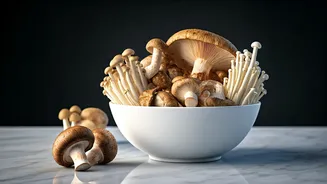



Why They Spoil
Mushrooms, composed of nearly 90% water, are highly susceptible to moisture absorption. Storing them in sealed plastic or overly humid environments accelerates
spoilage by encouraging bacterial growth. Crucially, they require consistent airflow to allow excess moisture to escape while remaining cool. Without proper ventilation, this moisture becomes a breeding ground for decay, leading to a slimy texture and off-flavors that diminish their appeal for cooking and eating. Understanding this inherent fragility is the first step to effective preservation, preventing the premature demise of these versatile ingredients.
Select Prime Fungi
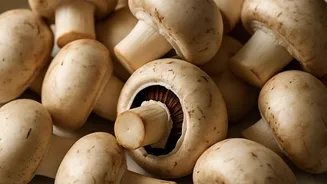
The journey to long-lasting mushrooms begins at the point of purchase. Prioritize selecting mushrooms that feel firm to the touch, possess a smooth surface, and appear dry. Steer clear of any packs that feel damp, exhibit sliminess, or show discolored patches, as these are indicators of already declining quality. A fresh mushroom should emit a mild, earthy aroma; any sharp, sour, or intensely pungent scent suggests that spoilage is underway. By choosing the freshest specimens initially, you lay the groundwork for successful storage and a longer enjoyment period.
The Paper Bag Method
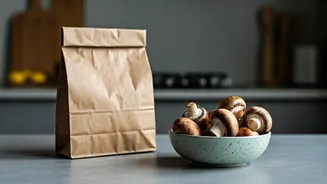
One of the most recommended and effective strategies for keeping mushrooms fresh involves utilizing a simple paper bag. This method capitalizes on paper's ability to absorb excess moisture while simultaneously permitting crucial air circulation. Transfer your loose mushrooms, or those from store packaging, into a clean paper bag and place it within the main compartment of your refrigerator. This breathable environment prevents the moisture buildup that typically leads to that unwelcome sliminess, thus preserving their ideal texture and flavor for your culinary adventures.
Original Packaging Savvy
In many instances, the original packaging that mushrooms come in from the supermarket can be an effective storage solution. These containers, particularly those with perforated plastic wrap, are often engineered to strike an optimal balance between humidity and airflow. This design helps maintain the mushrooms' freshness. However, it's essential to monitor the packaging; if you notice any condensation or dampness developing within the container, it's a clear signal to transfer the mushrooms to a paper bag to prevent rapid spoilage.
Resist Pre-Storage Washing
A common mistake that can inadvertently shorten the lifespan of mushrooms is washing them immediately after purchasing. Mushrooms are highly absorbent, and this excess water can penetrate their porous structure, accelerating their decay and leading to spoilage. It is far more beneficial to store them unwashed. Reserve the cleaning for just before you plan to cook them. A gentle wipe with a slightly damp cloth or a quick rinse under cool water is sufficient to prepare them for the pan, without compromising their shelf life.
Odor Isolation is Key
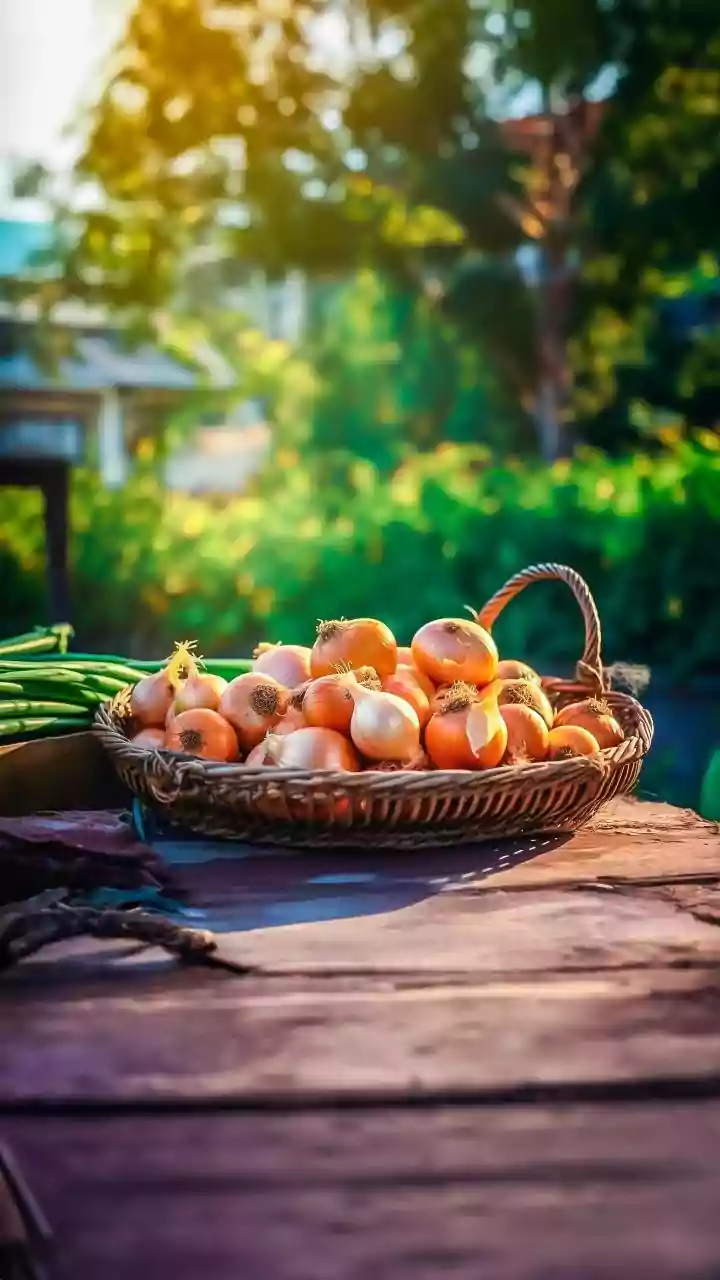
Mushrooms possess a porous nature that makes them quite adept at absorbing surrounding odors. Therefore, it's vital to store them away from strongly scented foods, such as onions, garlic, or pungent cheeses. If kept in close proximity, these intense aromas can transfer to the mushrooms, altering their delicate, earthy flavor profile. To preserve their natural taste and ensure they are ready for any recipe, keep them in a separate area of the refrigerator or within their protective paper bag.
Paper Towel Moisture Guard
An additional, highly effective technique to combat excess moisture is the inclusion of a dry paper towel within your mushroom storage container or bag. This simple addition acts as a diligent moisture absorber, soaking up any condensation that might form in the cool refrigerator environment. Periodically check the paper towel; if it becomes damp after a few days, replace it with a fresh, dry one to continuously maintain a dry atmosphere around your mushrooms.
Freezing Guidelines
Directly freezing raw mushrooms is generally not advised, as it tends to result in a mushy, unappealing texture upon thawing. For those who wish to freeze mushrooms, the recommended approach is to cook them first. A light sauté is ideal. Once cooked and cooled, they can be stored in airtight freezer-safe containers. Cooked mushrooms can retain their quality in the freezer for approximately two months, offering a convenient way to preserve their flavor and texture for future use.
Regular Check-Ups
Even with the most diligent storage practices, it's prudent to regularly inspect your mushrooms. Every few days, take a moment to examine them for any signs of spoilage. This includes looking for increased sliminess, the development of dark spots, or any emanating strong or unpleasant odors. Promptly removing any compromised mushrooms from the batch helps to protect the remaining ones, ensuring the overall freshness and extending the viability of your stored fungi.
Expected Shelf Life
When employing these recommended storage strategies, fresh mushrooms can typically remain in good condition in the refrigerator for a period of 5 to 7 days. In optimal conditions, particularly when stored in a breathable paper bag with adequate ventilation, it is not uncommon for them to stay fresh for up to 10 days. While mushrooms are undeniably delicate, adhering to these simple yet effective storage principles can make a remarkable difference in how long you can enjoy their natural goodness.