





Sambhar's Soulful Connection
Sambhar, more than just a dish, is an emotional experience that transcends mere sustenance. Even for those who didn't grow up with it, this South Indian
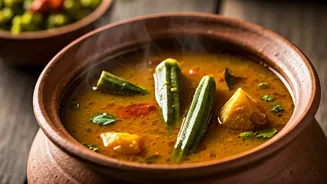
staple holds a remarkable ability to stir feelings of nostalgia. It occupies a special place, much like the comforting familiarity of dal chawal, often becoming a ritualistic part of weekly meals. The beauty of sambhar lies in its adaptability; it’s frequently prepared using seasonal vegetables, allowing for constant evolution. This constant variation ensures that no two sambhar preparations are ever identical, yet the shared experience of savoring it creates a universal sense of connection and comfort, imprinting cherished memories, even for those new to its taste.
A Nation's Beloved Brew
The world of sambhar in India is incredibly diverse, boasting nearly 20 distinct variations, each showcasing unique preparation techniques and ingredient combinations. While South Indian sambhar often features a medley of vegetables and a hint of grated coconut, the Maharashtrian rendition typically leans towards simplicity, focusing on fundamental vegetables and spices. This wide array of sambhar styles is a testament to the rich tapestry of regional culinary traditions and individual preferences across the country, highlighting how this cherished dish has been skillfully molded to suit local palates and available produce. It's a culinary chameleon, celebrated nationwide.
Crafting Tamil Nadu's Sambhar
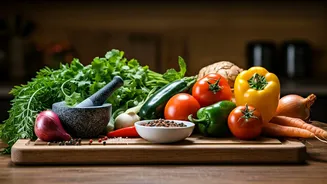
To recreate this heartwarming Tamil Nadu special sambhar, gather these essential ingredients: 10 to 15 pearl onions or one medium onion, chopped; two small tomatoes; a sprig of curry leaves; a selection of mixed vegetables like carrots, brinjals, beans, potatoes, and drumsticks; 150-200 ml tamarind water; 100 grams of toor dal; 4 teaspoons of sambhar powder; 1/4 teaspoon turmeric powder; 1/2 teaspoon mustard seeds; a pinch of hing; salt to taste; and fresh coriander for garnish. The preparation begins with pressure cooking the soaked toor dal for 4-6 whistles with turmeric until tender, then mashing it. In a pan, heat sesame oil and temper with mustard seeds, curry leaves, and hing. Sauté the chopped vegetables until they are partly cooked, adding salt. Then, incorporate the tamarind water and the mashed dal. Adjust the consistency with water, bring it to a boil for 6-10 minutes, and finish with fresh coriander for an authentic taste.