





The Goddess and Tradition
Sheetla Ashtami, affectionately called Basoda, is a significant Hindu observance dedicated to Maa Sheetla, revered for her role in warding off illnesses
and promoting purity. A unique and central custom of this festival is the preparation and offering of cold food items, known as 'Basi Bhog.' These dishes are meticulously prepared on the day preceding the festival, as the use of fire is traditionally abstained from on Sheetla Ashtami itself. This practice is deeply rooted in the belief that by offering cooled sustenance, devotees invoke prosperity, good health, and spiritual purification for their households. The entire ritual underscores a profound respect for the goddess's protective powers, especially against ailments associated with heat. The uncooked offerings are a symbol of peace and a direct act of devotion, honouring the goddess's ability to heal and safeguard.
Sacred Cold Offerings List
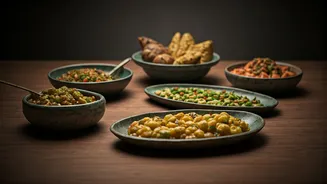
The Basi Bhog for Sheetla Ashtami features a delightful array of dishes, each carrying symbolic weight and prepared to remain fresh and palatable without reheating. Basi Poori, a staple, is made a day prior, ensuring it stays wonderfully soft for the morning offering; these fried breads signify abundance. Accompanying this is a simple Aloo ki Sabzi, a mild potato curry prepared without onion or garlic, which achieves a pleasing consistency when cooled and pairs perfectly with the puris. For a sweet element, Sweet Boondi, made from gram flour droplets fried and soaked in sugar syrup, retains its freshness and bright, festive appeal. Curd, inherently cooling, is another essential offering; devotees might prepare plain, sweetened, or even a Boondi Raita variation. Dahi Chawal, a comforting blend of yogurt and rice, is a sattvic dish prepared the night before and chilled naturally. Gulgule, sweet fritters crafted from wheat flour and jaggery, are a traditional North Indian treat that stays soft, while Churma, a delicious mixture of crumbled flatbread, ghee, and jaggery, offers a nourishing and sweet finale to the sacred meal.
Symbolism of Cooling Foods
The profound significance of offering cold food on Sheetla Ashtami lies in its deep symbolism aligned with the goddess's attributes. Maa Sheetla is venerated as a divine healer, particularly for ailments like fevers, infections, and other heat-related discomforts. By foregoing the use of fire and instead presenting chilled meals, devotees symbolically embrace calmness, serenity, and the goddess's healing energies. This act of preparation, performed with mindful devotion a day in advance, reflects a profound respect for her power to provide solace and protection from worldly afflictions. The cool sustenance is a tangible representation of the peace and well-being that devotees seek from Maa Sheetla, reinforcing their faith and acknowledging her benevolent guardianship over their lives and households.