







The Colonial Seed
The story of chai in India isn't one of ancient origins, but rather a tale of colonial introduction. Long before the aromatic brew became a daily ritual,
Indians were more familiar with medicinal concoctions, such as 'kadha,' rather than the beverage we now recognize as tea. The British, during their reign, played a pivotal role in establishing tea cultivation on Indian soil. Around the 1830s, wild tea plants were discovered in Assam, leading to the establishment of the first commercial plantations by the mid-1830s and the formation of the Assam Tea Company in 1839. This initiative significantly reduced the British dependence on Chinese tea imports, fostering domestic production. The cultivation later expanded to Darjeeling, further solidifying tea's presence in the region. This foundational period marked the beginning of tea's slow integration into the Indian subcontinent, though it was far from the spiced, milky drink enjoyed today.
Cultivating the Craving
Despite the British efforts to introduce tea, it initially failed to resonate with the Indian palate, which was accustomed to bolder, more complex flavors. The beverage was perceived as too bitter, lacking the depth that Indians typically sought in their drinks. Recognizing this challenge, the British administration implemented a strategy to 'force the habit' by mandating tea breaks across various industries, including factories, mills, and railway yards. This ensured that a wider population was exposed to tea, even if the initial reception wasn't enthusiastic. The onus then fell upon local vendors to make this foreign drink palatable, a task that would ultimately lead to its remarkable transformation and widespread adoption. The initial introduction was a commercial endeavor, but its success hinged on adapting it to local tastes and integrating it into the daily lives of the Indian populace.
The Indian Infusion
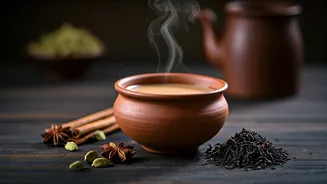
The turning point for tea in India arrived when local vendors began to experiment with ingredients that appealed to the Indian taste buds. To counter the inherent bitterness of the brew, milk was introduced, softening the intensity of each sip and making it more inviting. Sweeteners like sugar and even jaggery were added, transforming the beverage into a delightful concoction. The true magic, however, lay in the incorporation of spices. Additions like ginger and cardamom not only enhanced the flavor profile but also reinvented the simple cup of tea into a steaming, sweet, and aromatic experience. This innovative blending of indigenous spices with the colonial import created a drink that was distinctly Indian, fostering a unique cultural identity around it. Masala chai became more than just a beverage; it evolved into a beloved ritual, a symbol of Indian ingenuity, and a testament to the nation's ability to adapt and make foreign elements its own.
Chai: A Cultural Icon
Masala chai has transcended its origins to become a deeply ingrained cultural phenomenon in India. It's not merely a drink; it's a daily ritual, a social lubricant, and a comforting presence that unites people across regions. Whether enjoyed as a morning necessity, a mid-day pick-me-up, or a late-night indulgence, chai is ubiquitous, readily available in every nook and cranny, often served by dedicated 'chai walas.' The act of drinking chai can range from a simple sip from a favorite mug to the theatrical pour into a plate for a quicker cooling. This cultural embrace signifies a reclamation of a drink that was initially imposed, reinterpreted through Indian ingenuity and local flavors into something uniquely its own. It stands as a powerful symbol of how India has not only adopted external influences but has also skillfully transformed them, creating a beverage that is intrinsically tied to its identity and daily life.