




Understanding Udon
Udon noodles are a beloved Japanese staple, distinguished by their thick, white appearance and satisfyingly chewy texture. Crafted primarily from wheat
flour, water, and a touch of salt, they offer a wonderfully soft mouthfeel. Their mild, neutral flavour profile makes them incredibly versatile, readily absorbing the essence of rich broths, savory sauces, and stir-fried ingredients. Udon provides a quick source of energy due to its carbohydrate content, making it a suitable choice for pre-workout fuel or active days. However, it's important to note that their wheat base means they are not a gluten-free option. This noodle's comforting nature shines through in warm soup bowls and light stir-fries, providing a wholesome and enjoyable dining experience that is deeply satisfying.
The Appeal of Soba
Soba noodles present a contrasting yet equally appealing profile, characterized by their thinner, brownish strands and a subtle, nutty flavour with a firmer bite. Primarily made from buckwheat flour, a gluten-free pseudo-grain, soba is an excellent choice for those managing gluten intake. When wheat flour is included, it's usually in a minimal amount to enhance texture. This noodle is celebrated for its higher fiber content and a good array of minerals compared to many other Asian noodle varieties. Its earthy, nutty notes are delightful whether served hot in a comforting soup or chilled with a zesty dipping sauce, offering a lighter, more refreshing culinary experience. Soba's nutritional richness, particularly its fiber and protein, makes it a frequent pick for health-conscious diners seeking authentic Japanese flavors.
Taste, Texture, and Nutrition
The divergence in ingredients between udon and soba noodles naturally leads to distinct sensory experiences and nutritional benefits. Udon's smooth, soft texture and neutral taste allow it to act as a perfect canvas for broths and sauces, offering a comforting chewiness ideal for warm dishes. Conversely, soba's firmer, slightly chewy texture and its characteristic nutty, earthy flavor make it stand out even in simpler preparations, shining whether hot or cold. Nutritionally, for a 100g cooked serving, udon contains approximately 130 kcal, 28g of carbohydrates, and 3g of protein. Soba, on the other hand, typically has around 110 kcal, 23g of carbohydrates, and 6g of protein. This places soba slightly ahead in being lower in calories and carbs while providing a more substantial amount of plant-based protein and dietary fiber, contributing to a greater feeling of satiety.
Vitamins, Minerals, and Weight Loss
The nutritional advantages of soba noodles are further amplified by their rich content of essential nutrients derived from buckwheat. They are a good source of B vitamins, manganese, magnesium, and iron, all crucial for maintaining energy levels, promoting healthy digestion, and balancing blood sugar. While udon, made from refined wheat, offers some selenium and niacin beneficial for metabolism and nerve function, it generally lacks the fiber found in soba. This difference in fiber content means soba noodles are typically more effective at keeping you feeling full for longer periods. Consequently, for individuals focused on weight loss, soba emerges as the preferred choice due to its lower calorie and carbohydrate count, coupled with its higher protein and fiber, which effectively curb appetite and reduce snacking between meals.
Home Preparation Tips
Creating both udon and soba noodles at home is an achievable and rewarding culinary endeavor. For udon, the process involves mixing wheat flour, salt, and water to form a firm dough, which is then kneaded and allowed to rest. After resting, the dough is rolled thin, cut into thick strands, and boiled until they float and achieve a soft, chewy consistency, usually within 3 to 5 minutes. For soba, the primary ingredient is buckwheat flour, often blended with a small amount of wheat or bread flour for better dough structure. This mixture is combined with water to create a firm, elastic dough, which also benefits from a resting period. The dough is then rolled thinly, dusted with cornstarch, and precisely cut into fine, uniform strands. Soba cooks quickly, typically in 1 to 2 minutes, and rinsing them under cold water post-cooking enhances their texture and halts the cooking process, preparing them for serving.
Healthy Serving Suggestions
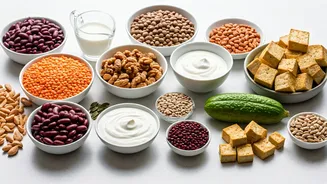
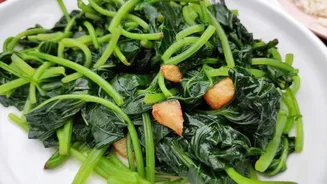
To ensure udon and soba noodles contribute to a healthy diet, mindful preparation and serving are key. Opting for light, flavorful broths or simple, low-sodium sauces over heavy, oil-laden stir-fries is a great starting point. Incorporating a generous amount of fresh vegetables such as spinach, bean sprouts, mushrooms, and carrots adds essential nutrients and volume to your meal. Pairing the noodles with a quality protein source, like tofu, paneer, a perfectly boiled egg, or lean chicken, further enhances the dish's nutritional completeness and satiety. Even subtle flavorings from herbs, a splash of low-sodium soy sauce, and a hint of sesame oil can elevate the taste without significantly increasing calorie counts. By following these guidelines, both udon and soba can be transformed into balanced, satisfying meals that align with fitness goals, perfect for any lunch or dinner.