



Creamy Vegetable Korma Base
Begin your korma creation by preparing the foundational elements. First, gently cook a medley of fresh vegetables—carrots, beans, peas, potatoes, and cauliflower—in
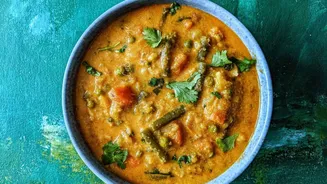
lightly salted water until they reach a tender consistency. In parallel, assemble the aromatic paste that defines the korma's soul. Blend together grated coconut, pre-soaked cashews for creaminess, a vibrant green chili for a touch of heat, fresh ginger and garlic for pungent depth, poppy seeds and fennel seeds for their unique nutty and sweet notes, adding a little water to achieve a smooth, homogenous texture. This paste will form the heart of your rich gravy, infusing it with authentic South Indian flavors and a luxurious mouthfeel.
Crafting the Korma Gravy
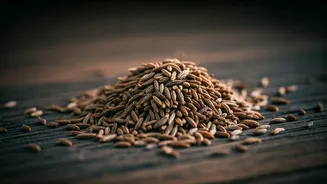
The next crucial stage involves building the flavourful gravy. In a medium-heat pan, introduce whole spices like bay leaf, cloves, cinnamon stick, and cumin seeds, allowing their aromas to bloom. Then, sauté thinly sliced onions until they achieve a beautiful golden-brown hue, signifying their caramelization and sweetening. Add chopped tomatoes and cook them down until they soften and break apart, forming a pulpy base. Stir in ground spices – turmeric, coriander powder, red chili powder, and salt to taste – and sauté for a minute to toast their flavors. Incorporate the prepared cashew-coconut paste and continue to sauté for approximately five minutes, ensuring it’s well-cooked and fragrant. Finally, introduce the pre-cooked vegetables into this developing gravy. Add about half a cup of water to achieve the desired consistency, cover, and let the korma simmer gently on a low flame for 8-10 minutes, allowing the flavors to meld beautifully. A final drizzle of coconut oil and a sprinkle of garam masala will enhance the richness and aromatic profile, while fresh coriander leaves provide a vibrant garnish.
Perfecting Malabar Parathas
Elevate your meal with the quintessential South Indian flatbread: Malabar paratha. To begin, combine 2 cups of all-purpose flour (maida), 1 teaspoon of sugar, 1 teaspoon of salt, and 2 tablespoons of oil in a bowl. Gradually add warm water, mixing until a soft, pliable dough forms. Cover this dough and let it rest for a good 30 minutes to allow the gluten to relax, making it easier to work with. After resting, divide the dough into small balls. Roll each ball out as thinly as possible into a large, delicate sheet. The key to the signature layers of a Malabar paratha lies in the pleating technique: fold the thin sheet like a fan, then roll this pleated strip into a compact spiral. Gently flatten this spiral to form the paratha disc. Cook these parathas on a preheated tawa (griddle) over medium heat, brushing with extra oil and flipping to achieve a beautiful golden-brown and crispy finish on both sides. Once cooked, a gentle clap between your palms will help separate the delicate layers, revealing its signature flaky texture.
Serving Suggestions
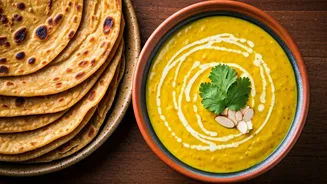
To complete this delightful culinary experience, serve the hot, creamy vegetable korma alongside the freshly prepared, flaky Malabar parathas. This classic pairing is a testament to the rich and diverse flavors of South Indian cuisine. For an added layer of freshness and to balance the richness of the korma, consider accompanying your meal with thinly sliced onions and a cooling cucumber raita. This combination offers a symphony of textures and tastes, making it a truly satisfying and memorable meal. The warmth of the korma, the crispiness of the paratha, and the refreshing raita create a harmonious balance perfect for any occasion, from a comforting everyday dinner to a celebratory feast.