
The Case for Less Oil
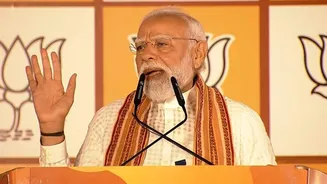
Prime Minister Narendra Modi recently highlighted the global West Asia crisis, emphasizing India's critical need for energy independence. As part of this
national imperative, he urged citizens to consciously reduce their oil consumption in daily meals, stating it as a dual service to the nation and personal well-being. Beyond conserving precious foreign exchange and bolstering energy security, cutting back on oil intake offers significant health benefits. It can be a powerful tool in combating rising obesity rates, leading to improved overall health, and contributes to a more sustainable environment. By adopting healthier cooking methods and making informed dietary choices, individuals can play a direct role in fostering both national economic stability and personal wellness.
Nachni Khichu: Gujarat's Ragi Delight
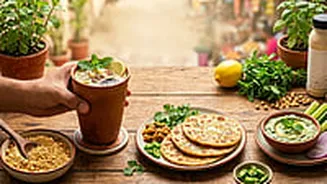
From the vibrant state of Gujarat comes Nachni Khichu, a wholesome dish made primarily from ragi (finger millet) flour. This recipe is a fantastic example of how traditional grains can be transformed into nourishing meals with minimal oil. The preparation involves boiling water infused with yogurt for a creamy base, then adding aromatic spices like cumin seeds, chili powder, and asafoetida, along with fresh green chilies for a subtle kick. Ragi flour is whisked in vigorously to prevent lumps, and the mixture is gently simmered until it thickens to a porridge-like consistency. A touch of oil and fresh coriander are stirred in at the end, creating a flavorful and easily digestible dish perfect for any season, especially summer. This preparation is not just delicious but also packed with the nutritional benefits of ragi.
Fara: Chhattisgarh's Savory Steamed Dumplings
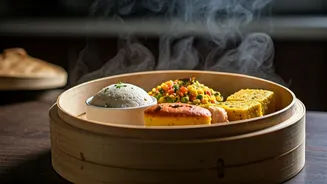
Originating from states like Chhattisgarh, Uttar Pradesh, and Bihar, Fara are delightful steamed dumplings that offer a unique culinary experience with very little oil. The dough is typically made from rice flour, brought to a boil with a touch of ghee and salt, then kneaded until soft and pliable, requiring a little water to achieve the perfect texture. Simultaneously, a flavorful stuffing is prepared by grinding soaked split chickpeas (chana dal) and urad dal with a medley of green chilies, ginger paste, and an array of spices including red chili powder, turmeric, coriander powder, and salt. Fresh coriander leaves add brightness to the filling. Small portions of the dough are shaped into discs, filled with the savory mixture, folded, and then steamed to perfection. A single cup of rice flour can yield approximately 16 Fara, making it an efficient and satisfying dish.
Vaal ki Usal: Maharashtra's Hearty Bean Stew
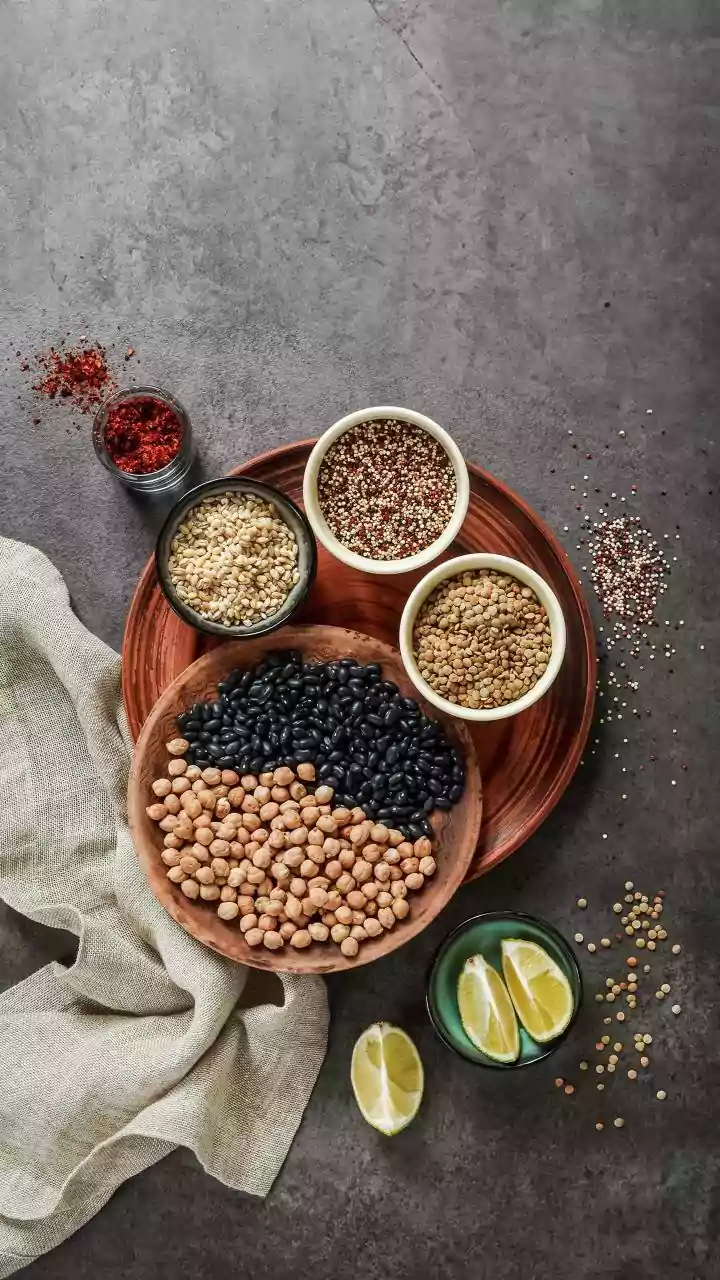
Representing the culinary richness of Maharashtra, Vaal ki Usal is a robust and flavorful dish prepared using sprouted and peeled vaal beans. The process begins with soaking the vaal beans for an extended period, followed by sprouting them, and then meticulously peeling them before a second soak. To build its complex flavor profile, the dish starts with tempering oil infused with cumin seeds, asafoetida, and curry leaves. Sautéed chopped onions are then browned, followed by ginger-garlic paste. The star ingredients, the vaal beans, are added along with salt and water, and simmered until tender. A vibrant blend of chili powder, turmeric, and the unique tang of kokum petals (soaked separately) are incorporated, followed by a touch of sweetness from jaggery. Finally, fresh coriander leaves are stirred in, creating a wholesome and satisfying stew that pairs beautifully with rice or bread.