



Noodle Preparation
To begin crafting your delightful Pad Thai, the first crucial step involves preparing the noodles. If you're using flat rice noodles, immerse them in boiling
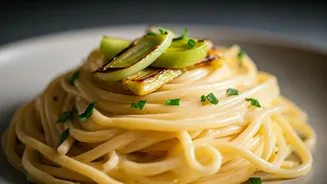
water for approximately 10 to 15 minutes. The goal is to achieve a state where they are tender yet retain a slight firmness, ensuring they don't become overly soft or sticky when combined with the other ingredients. Once they reach this perfect consistency, drain them thoroughly and rinse under cold water. This rinsing action is key to halting the cooking process and preventing the noodles from clumping together. For those who might not have rice noodles readily available, regular hakka noodles can serve as a suitable alternative, offering a similar texture when prepared in the same manner. Setting the softened noodles aside at this stage ensures they are ready to be expertly tossed into the flavorful sauce and vegetables later in the cooking process.
Crafting the Sauce
The heart of any great Pad Thai lies in its balanced sauce, and this Indian-inspired version is no exception. To create this flavor powerhouse, you'll need a small bowl where you can whisk together the core components. Start by combining two tablespoons of soy sauce, which provides a savory base. Next, add one tablespoon of jaggery powder, also known as 'gur,' or granulated sugar, to impart a subtle sweetness that balances the other flavors. Introduce one tablespoon of fresh lemon juice for a bright, tangy kick, and a teaspoon of red chilli powder or flakes to bring in the desired heat. A pinch of salt is added to enhance all the flavors. Stir this mixture well until the jaggery or sugar is completely dissolved, resulting in a rich, homemade sauce that captures the quintessential sweet, sour, and spicy essence of authentic Pad Thai, all made with ingredients commonly found in an Indian kitchen.
Sautéing Aromatics
With your sauce prepared and noodles ready, it's time to build the foundational flavors in your wok or kadai. Begin by heating two tablespoons of oil over a high flame. The choice of oil can be flexible; sunflower or mustard oil work well here. Once the oil is hot, add two finely chopped cloves of garlic. Stir-fry them for about a minute until they release their fragrant aroma. Immediately follow with one sliced onion. Continue to sauté both the garlic and onion together until the onions become translucent, indicating they have softened and released their sweetness. This quick stir-frying process is essential for developing a deeply flavorful base upon which the rest of the dish will be built, ensuring a delicious outcome.
Adding Crisp Vegetables
Now, it's time to introduce a vibrant medley of fresh vegetables to your wok, adding both color and a delightful crunch. Toss in one julienned carrot, offering a touch of sweetness and a pleasing texture. Add one sliced capsicum (bell pepper) for a mild peppery note and vibrant hue, and one cup of shredded cabbage, which contributes a fresh, slightly sweet flavor and satisfying crispness. Continue to stir-fry these vegetables over high heat for about three to four minutes. The objective is to cook them until they are crisp-tender – tender enough to eat but still retaining a noticeable bite. This ensures that the vegetables maintain their appealing texture and don't become soggy, contributing to the overall enjoyment of the Pad Thai.
Incorporating Protein
For those who desire a more substantial dish, adding a protein element is a simple yet effective enhancement. You can introduce about 100 grams of cubed tofu or paneer into the wok with the sautéed vegetables. Stir-fry these protein pieces for approximately two minutes, allowing them to gain a light golden-brown color and a slightly firmer texture. This step not only adds a satisfying element to the dish but also absorbs some of the surrounding flavors. If you prefer to keep the dish vegetarian without any added protein, you can simply skip this step and proceed directly to the next stage of combining the noodles with the sauce and vegetables, ensuring the recipe remains adaptable to your preferences.
Sauce Integration
With the vegetables and protein (if used) cooked to perfection, it’s time to unite them with the flavor-packed sauce. Carefully pour the prepared sauce mixture over the contents of the wok. Stir everything together gently but thoroughly, ensuring that the sauce evenly coats all the vegetables and protein. Allow this mixture to cook for another two minutes. During this time, the sauce will begin to thicken slightly, creating a glossy coating that clings beautifully to every ingredient. This process allows the flavors to meld together, intensifying the overall taste profile of the dish and preparing it for the addition of the noodles.
Noodle Combination
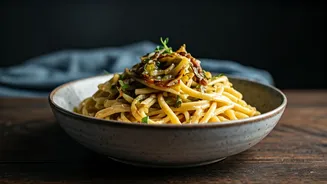
The moment of truth arrives as you add the pre-soaked and drained noodles to the wok. Using two spoons or spatulas, gently toss the noodles with the sauce-coated vegetables and protein. The key here is to be delicate to avoid breaking the noodles, ensuring they remain intact and pleasingly long. Continue to toss everything together over high heat for another two to three minutes. This rapid cooking process allows the noodles to absorb the delicious sauce and meld with the other ingredients, ensuring each strand is coated in the savory, sweet, and spicy flavor profile. The goal is an evenly combined and flavorful noodle dish.
Final Touches
To elevate the dish with bursts of freshness and added texture, incorporate the final ingredients. Stir in two chopped spring onions, adding a mild, fresh oniony flavor and vibrant green color. If you have bean sprouts available, add a handful at this stage; their crispness provides a delightful contrast. Stir these in for just about 30 seconds, allowing them to warm through slightly without losing their crunch. Now is the perfect time to taste your Pad Thai and make any necessary adjustments. You can add more lemon juice for extra tang, a bit more chilli for heat, or a touch more salt or jaggery to achieve your ideal sweet-sour-spicy balance. This fine-tuning ensures the dish is perfectly to your liking.
Garnishing and Serving
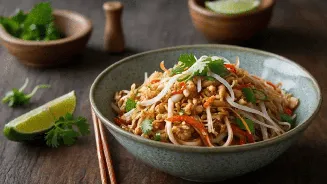
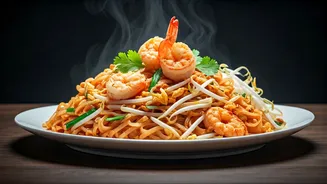
Once you've achieved the perfect flavor balance and everything is heated through, it's time to prepare your creation for serving. Turn off the heat. Ladle the hot Pad Thai onto serving plates. For the traditional finishing touch and an added layer of flavor and texture, generously sprinkle crushed peanuts over the top. Garnish with fresh coriander leaves for a fragrant herbaceous note, and serve with lemon wedges on the side, allowing diners to add an extra squeeze of freshness if desired. Serving this delicious, homemade Indian-style Pad Thai immediately ensures the best possible flavors and textures, making for a truly satisfying meal.