
The Vanishing Flatbreads
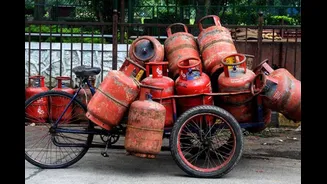
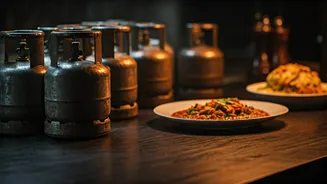
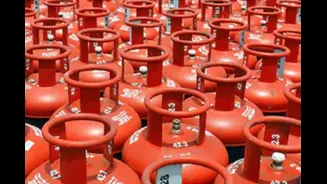
When commercial LPG cylinders become scarce across Indian cities, the first items to vanish from restaurant menus are typically those requiring significant
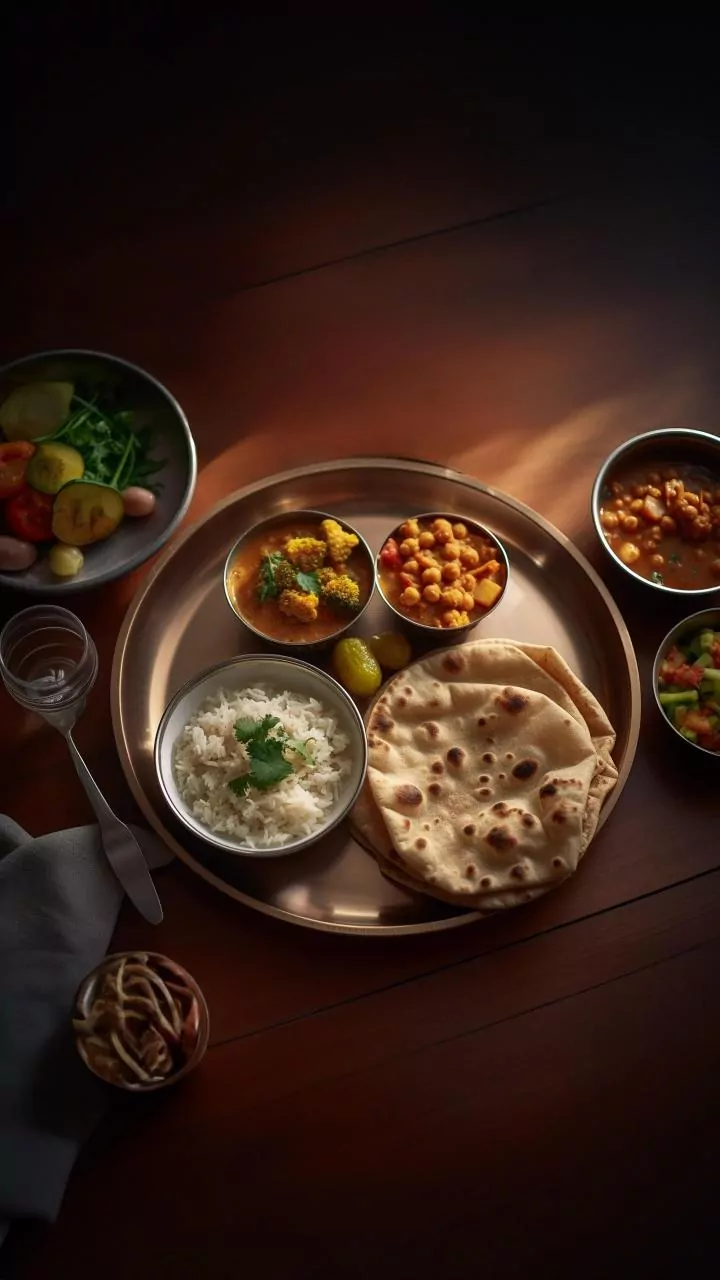
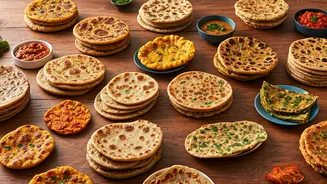
fuel for preparation. Among the initial casualties are beloved flatbreads such as rotis, chapatis, and parathas. Each individual roti demands a separate cooking process on a hot griddle, often followed by direct flame puffing to achieve that characteristic browning and texture. When establishments are serving hundreds, if not thousands, of these daily, the cumulative gas consumption escalates rapidly. Consequently, many hostels and canteens have already made the difficult decision to halt the production of chapatis altogether as a direct measure to conserve dwindling gas supplies. This strategic removal allows them to continue serving other menu items while mitigating the impact of the fuel crisis on their operations.
South Indian Staples Depart
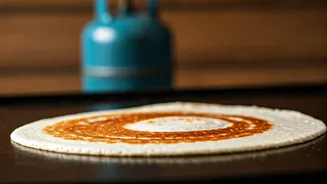
Further impacting breakfast and lunch offerings, South Indian delicacies like dosas and uttapams are also among the first to be removed from menus during an LPG shortage. These popular dishes necessitate keeping large griddles or 'tawas' consistently heated to high temperatures for extended periods. The process of cooking dosas and uttapams is inherently slow and requires a constant energy input to maintain the optimal cooking surface. This continuous heat requirement makes them particularly gas-intensive compared to quicker-cooking alternatives. Restaurants, especially those located in southern Indian states where these dishes are dietary staples, have reported that dosas are frequently the initial items to be temporarily struck off their offerings when faced with supply constraints of commercial LPG cylinders.
Deep-Fried Delights Endure Less
The demand for maintaining high oil temperatures for prolonged periods makes deep-fried items a significant consumer of LPG. Dishes like pooris, bhaturas, pakoras, and various vadas all rely on a substantial amount of oil kept simmering at a constant high heat. To keep these breakfast and snack items consistently crisp and ready, kitchens must expend a considerable amount of cooking gas. As the availability of commercial LPG cylinders becomes a concern, many eateries find it more practical to first discontinue serving these oil-intensive fried options. This allows them to preserve their limited gas supply for other preparations that may be less demanding in terms of continuous high heat.
Slow-Cooked Curries Fade
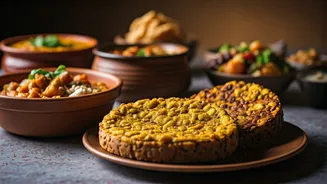
Dishes that inherently require extended cooking times, such as slow-cooked curries and stews, are also being phased out to conserve fuel. Preparations like rajma (kidney bean curry), chole (chickpea curry), and other legume-based dishes often involve hours of simmering or the use of pressure cookers to achieve the desired tenderness and flavour development. These longer cooking processes translate directly into higher LPG consumption. In response to the escalating LPG shortage, numerous canteens and hostels have opted to remove these time-consuming dishes from their menus. This strategic decision helps them manage their gas resources more effectively, ensuring that they can continue to serve other dishes without interruption.
Beverages on Ration
Even seemingly simple items like tea and coffee are not immune to the impact of the LPG crisis, with some establishments beginning to ration these beverages. The continuous need to keep water boiling throughout the day for multiple servings of tea and coffee translates into a surprisingly substantial and consistent consumption of cooking gas. In areas experiencing acute shortages of commercial LPG cylinders, kitchens are re-evaluating how they manage their fuel. Rationing hot water or limiting the frequency of brewing these popular drinks becomes a necessary step to conserve precious gas resources, demonstrating the far-reaching effects of the shortage.