






The Economics of Treats
The allure of 'sweet treat culture' isn't merely about fleeting pleasure; it's a shrewd, often subconscious, economic strategy. In an era where major life
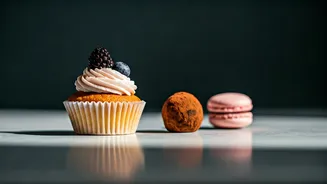
milestones like homeownership or significant travel feel increasingly out of reach for Gen Z and millennials, these small, tangible luxuries offer an accessible form of reward and gratification. The price point of a ₹350–₹400 cookie or pastry makes it an attainable aspiration, a stark contrast to the seemingly impossible goals that define their financial future. This trend taps into the age-old 'lipstick effect,' where during economic downturns, consumers opt for smaller, more affordable luxuries. Data supports this, with a Bank of America report indicating that 57% of Gen Z purchase a small treat at least weekly, often leading to overspending, yet the act itself is perceived not as a mistake, but as the intended outcome and a vital source of joy.
The Iced Coffee Phenomenon
The iced coffee, particularly the elaborately customized versions, has ascended from a simple beverage to a significant lifestyle statement and a cornerstone of this 'sweet treat' movement. What might take minutes to prepare and justify with reasons like 'a bad meeting' is statistically embraced by many. A global survey reveals that 31% of Gen Z label their coffee spending as 'very high' or 'quite high,' with the generation averaging $51 (approximately ₹4,200) monthly on coffee by mid-2025, making it a lifestyle expenditure rather than mere fuel. Nearly half of 18–24-year-olds consumed specialty coffee, with 40% opting for cold or iced varieties. In India, this translates to mid-range cafes charging ₹350–₹450 for a basic iced latte, with customizations pushing the price further into the realm of 'little treat.' Even matcha has solidified its place, aligning with wellness trends and becoming a defining beverage of 2025, solidifying the iced coffee's role as a prop, ritual, aesthetic, and argument all in one.
TikTok's Dessert Influence
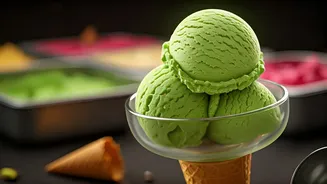
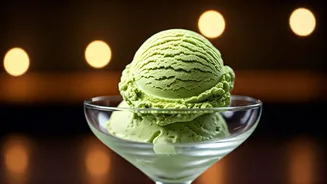
The visual power of platforms like TikTok and Instagram has significantly amplified the 'sweet treat' trend, transforming the discovery and consumption of specific desserts into a cultural phenomenon. Food-centric social media feeds are awash with content showcasing sought-after items like the Dubai chocolate bar kunafa and city-specific quests for the 'best' burnt Basque cheesecake, pistachio-flavored items, or oversized smash cookies. This curated hunt for hyper-specific treats is increasingly evident in Indian urban centers, with bakeries in Bandra experiencing hour-long queues and specialized dessert launches in Delhi and Bengaluru. These viral food moments are more than just recipe shares; they represent a culture that has elevated casual food excursions into a form of personal tourism, identity expression, and even a therapeutic outlet, driven by the aesthetic and aspirational nature of these visually appealing indulgences.
Dessert as Gentle Resistance
Beyond simple indulgence, 'treat yourself' culture embodies a philosophical stance, directly challenging the pervasive 'hustle culture' and its emphasis on deferred gratification. For Gen Z, who witnessed millennials strive for decades only to face economic instability, the notion of suffering now for future rewards seems untenable. Consequently, the small treat emerges as a deliberate act of presence and self-acknowledgment, a quiet refusal to subscribe to a narrative of perpetual struggle. As consumer trends expert Daniel Levine notes, while previous generations reserved treats for special occasions or milestones, Gen Z has normalized them as daily habits due to their low barrier to entry. This approach prioritizes immediate, accessible joy over the promise of a distant, uncertain future, repositioning indulgence as an act of self-validation in a demanding world.
Brands Embrace the Vibe
The commercial landscape has swiftly adapted to the burgeoning 'sweet treat' phenomenon, with brands actively capitalizing on this cultural shift. Luxury fashion houses are now engaging in pastry collaborations, and boutique bakeries boasting long queues are akin to the exclusive releases once associated with sneaker culture. Limited-edition desserts and viral cafe menus are increasingly driving foot traffic, mirroring the appeal of fashion trends. Even traditional concepts like the ice cream truck have been revitalized as premium, small-batch gelato carts, complete with their own social media presence and waitlists for new flavors. This integration of indulgences into late-stage capitalism underscores that 'sweet treat culture' is less about the sugar itself and more about regaining a sense of agency. It’s about carving out pockets of joy that are both affordable and significant, a way of asserting personal choice amidst a chaotic, expensive world by proclaiming, 'I'm getting the cookie, and it's going to be amazing.'