



Selecting Superior Onions
Begin your journey to flavourful dishes by picking the best onions available. When selecting, prioritize bulbs that feel surprisingly heavy for their size,
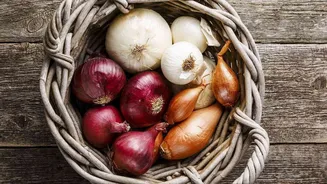
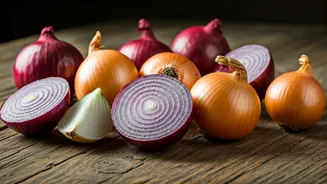
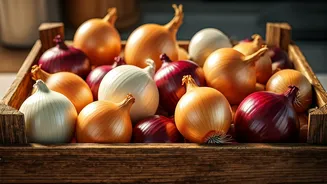
indicating density and a lack of internal moisture. Gently squeeze them; they should feel firm throughout, devoid of any soft patches, indentations, or visible dampness. Next, inspect the outer layers. Ideal onions boast dry, papery skins that are uniformly coloured, free from any dark spots, fuzzy mould, or discoloured stains. Avoid onions with loose, peeling skins or any hint of moisture, as these are signs of premature spoilage. Pay close attention to the neck area at the top; it should be tightly closed, completely dry, and firm. A thick, wet, or gaping neck suggests inadequate drying post-harvest, predisposing the onion to rot. Refrain from buying onions that already show signs of sprouting; this indicates the onion is actively consuming its reserves and will likely have a sharper, less desirable taste. Finally, consider the onion's intended use. Red onions, with their robust flavour, are perfect for Indian curries and tempering. Yellow onions are versatile all-rounders for soups and caramelisation. White onions offer a crisp bite ideal for salads and salsas, while smaller shallots provide a sweeter, milder note suited for more delicate dishes. Always choose onions that have been stored away from direct sunlight, as heat can accelerate softening and spoilage.
Optimal Onion Storage
Proper storage is key to extending your onions' lifespan and preserving their quality. The most crucial element is maintaining a dry, cool environment. Onions thrive in low humidity and should be kept in a dark, well-ventilated spot, such as a pantry, an open basket on your counter away from direct sunlight, or a cabinet with airflow. The ideal temperature range for storage is between 10–25°C. Crucially, never store onions in plastic bags, as these trap moisture and create a breeding ground for mould and decay. Instead, opt for breathable containers like mesh bags, net sacks, bamboo baskets, or steel wire baskets that facilitate constant air circulation. A common kitchen error is storing onions and potatoes together; this should be avoided at all costs. Potatoes release moisture and ethylene gas, which significantly hastens the spoilage and sprouting of onions. Ensure they have separate storage locations. Regularly inspect your onion supply, ideally on a weekly basis. A single decaying onion can quickly contaminate the entire batch. Look out for signs of softening, the presence of black mould, a musty odour, or any leaked moisture. Remove any compromised onions immediately to protect the rest. For cut or peeled onions, immediate refrigeration in an airtight glass or steel container is necessary; they will keep for approximately 3–4 days. Avoid plastic for cut onions as it readily absorbs their strong odour. If you plan to meal prep with chopped onions, store them in sealed containers and use them within 2 days for the best flavour. For long-term preservation of bulk purchases, chop or slice onions and freeze them in freezer-safe bags for up to 3 months; they are ideal for cooked dishes but will lose their crispness. Fried onions, a common Indian kitchen staple, should be cooled completely, drained of oil, and dried on paper towels before being stored in an airtight glass jar in the refrigerator for 2–3 weeks or frozen for up to 2 months.