

What is Zero-Waste Cooking?
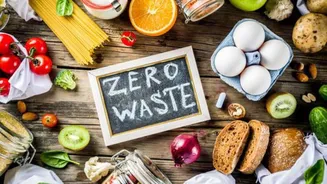
Zero-waste cooking is a culinary philosophy dedicated to drastically reducing the amount of food discarded from your kitchen. It champions the idea that
virtually no part of an ingredient should be thrown away. This means enthusiastically incorporating elements often overlooked, such as fruit peels, vegetable stems, seeds, and even produce that has passed its prime. A significant component of this approach involves meticulous meal planning and cleverly repurposing leftovers, with the ultimate aspiration being the complete elimination of food waste. This practice is not merely about saving money; it's a conscious effort to enhance sustainability by lessening the burden on landfills and decreasing your overall carbon footprint. By consuming edible parts of produce that are frequently discarded, you often increase the fiber and nutrient density of your meals, making them healthier. Furthermore, this mindset naturally steers you away from processed and packaged foods, promoting a more wholesome diet in the long run.
Creative Scrap Utilization
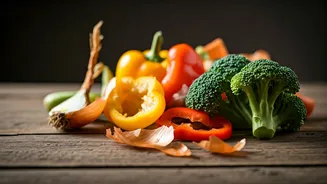
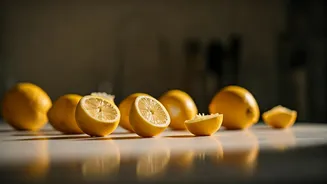
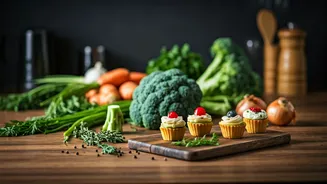
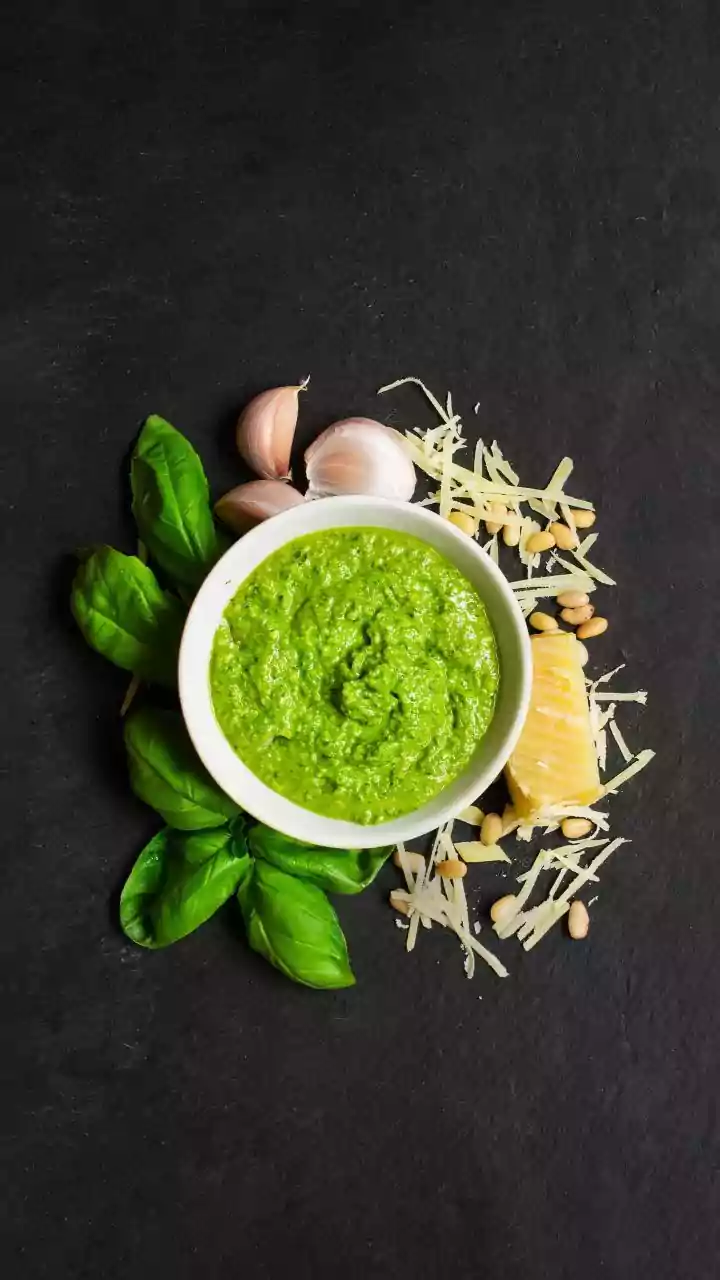
The commonly discarded parts of fruits and vegetables, such as peels, stems, and seeds, are often packed with valuable nutrients and can be transformed into delicious dishes. For instance, citrus peels can be dried and ground into a flavorful powder for baking, or candied to create a sweet treat. They can also infuse oils and vinegars, adding a zesty dimension to dressings and marinades. Browning berries can be utilized to make fruit leather, while used coffee grounds can be incorporated into granola for a unique texture and flavor. Even the liquid from cooked chickpeas, often called aquafaba, can be a surprising ingredient in desserts like chocolate mousse. Food creator Carleigh Bodrug exemplifies this ingenuity by transforming fruit peels into powders for teas or skincare, saving strawberry tops for a sweet vinegar, and creating vibrant pesto from carrot tops. Broccoli stems are also not spared, often being breadcrumbed and baked into crispy fries.
Simple Starting Points
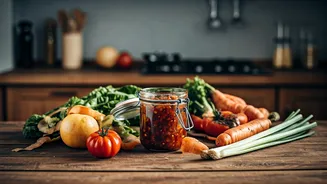
Embarking on the zero-waste cooking journey doesn't require immediate mastery or drastic overhauls; it's about adopting a more mindful approach to food. If the idea of transforming every scrap seems daunting, a straightforward and highly effective starting point is to collect vegetable peels and scraps. These can be stored in your freezer over time, accumulating a rich base for homemade vegetable stock. This simple act of saving and utilizing vegetable trimmings not only prevents waste but also yields a flavorful and cost-effective foundation for soups, stews, and countless other dishes, demonstrating that sustainability can be both practical and rewarding without demanding an inconvenient lifestyle.