




Table Setting Harmony
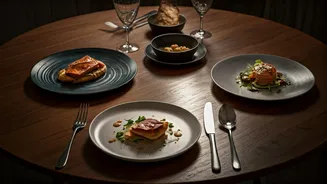
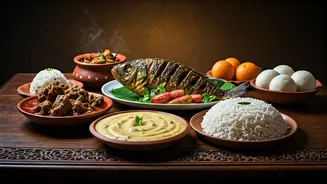
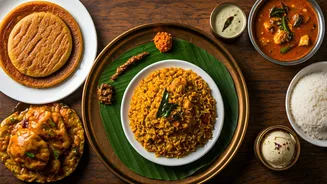
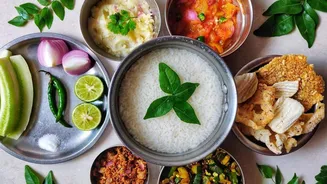
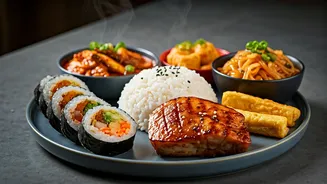
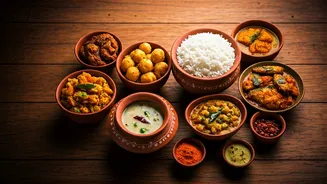
A traditional Korean meal is a visual and culinary symphony, characterized by an abundant array of rice, soups, side dishes (banchan), and sauces accompanying
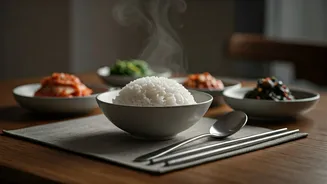
the main protein. The arrangement of these elements is far from arbitrary, adhering to time-honored principles rooted in Confucian philosophy. The staple 'bap' (rice) is consistently placed to the left, while the essential 'guk' or 'jjigae' (soup) takes its position on the right. This spatial division extends to hot and cold items, with hot dishes like grilled meats, fish, stews, and savory pancakes ('jeons') typically situated on the right side of the table. Conversely, cooler items, such as the ubiquitous kimchi, seasoned vegetables ('namul'), and chilled tofu, are artfully arranged to the left, creating a balanced and functional dining landscape.
The Art of the First Bite
The commencement of a traditional Korean meal follows a distinct ritual, beginning with the soup or stew. This practice stems from a deep-seated belief in the holistic benefits of warm broths, which are thought to harmonize digestion, provide essential warmth, and balance the overall nutritional intake. Even a single sip of the soup is considered the initiating act of the meal, intended to prepare the palate for the diverse flavors and textures to come. Sauces, unlike in many Western dining styles where they might be served on the side, are traditionally placed directly over the rice, making them easily accessible from a central position on the table. This includes essential condiments such as soy sauce, 'ssamjang' (a spicy paste), and 'gochujang' (chili paste).
Mindful Eating Practices
Throughout the meal, a sense of intentionality and respect is paramount. It's considered improper to lift your rice bowl while eating; instead, it should remain stationary before you, with your spoon reaching towards it. This mindful approach extends to the 'banchan', the diverse side dishes. These are meant for communal enjoyment and should not be consumed greedily. A key distinction in utensil usage is observed: rice is always eaten with a spoon, while side dishes are savored with chopsticks. Social dining also involves a reciprocal gesture of pouring drinks for others; filling a companion's glass of Soju is a customary act, with the expectation that the favor will be returned. The overall pace of the meal should mirror that of your dining companions, emphasizing the communal nature of eating in traditional Korean culture and ensuring the dining experience is savored together.
Respect and Final Farewells
The respect for elders is a cornerstone of Korean dining etiquette. Meals traditionally begin with the eldest person at the table, with others following in descending order of age. A particularly frowned-upon habit is audible chewing; it is expected to chew with your mouth closed. An absolute faux pas is to place chopsticks upright in your rice bowl, as this resembles a ritual associated with funerals and is believed to invite misfortune. The meal is gracefully concluded with a polite expression of gratitude, 'Jal Meogeotseumnida,' which translates to 'Thank you for the meal,' signifying appreciation for the food and the company.