



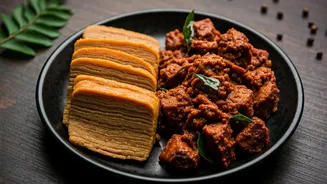

Introduction to Gujarati Food
Gujarati cuisine is renowned for its unique balance of sweet, sour, and spicy flavours, achieved through a careful blend of spices and ingredients. It's
often vegetarian, utilizing a wide variety of vegetables, lentils, and grains. The use of jaggery and sugar is common, contributing to the distinct sweet notes. Common ingredients include gram flour (besan), lentils (dal), vegetables like potatoes and okra, and spices such as turmeric, cumin, and coriander. Gujarati dishes are often served with roti or puri, accompanied by rice and a variety of chutneys and pickles. Many dishes have their roots in ancient times. Food preparation reflects regional variations within Gujarat, with coastal regions emphasizing seafood and coconut, whereas inland areas often feature richer, sweeter dishes. Gujarati cuisine has a strong emphasis on vegetarian fare, reflecting the influence of Jainism and the value of non-violence. Each dish tells a story of the region's agricultural bounty, and cultural traditions.
Dhokla: The Iconic Snack
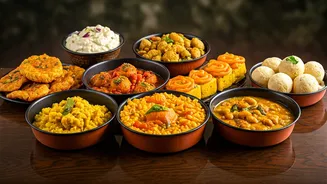
Dhokla, a steamed cake made from fermented batter of gram flour and rice, is perhaps the most globally recognized Gujarati snack. The batter undergoes a fermentation process, adding a slight tang. It's then steamed until fluffy and airy. After steaming, the dhokla is often tempered with mustard seeds, curry leaves, and green chilies fried in oil. The tempering infuses the dhokla with a savory, aromatic quality. It is frequently served with a sweet and tangy chutney, enhancing the flavours. There are several variations of dhokla, including the khatta dhokla (sour), rava dhokla (made from semolina), and the white dhokla. This light, spongy dish is a favorite for breakfast, snacks, or even appetizers. Its versatility and delicious taste make it a staple in Gujarati households.
Thepla: A Savory Flatbread
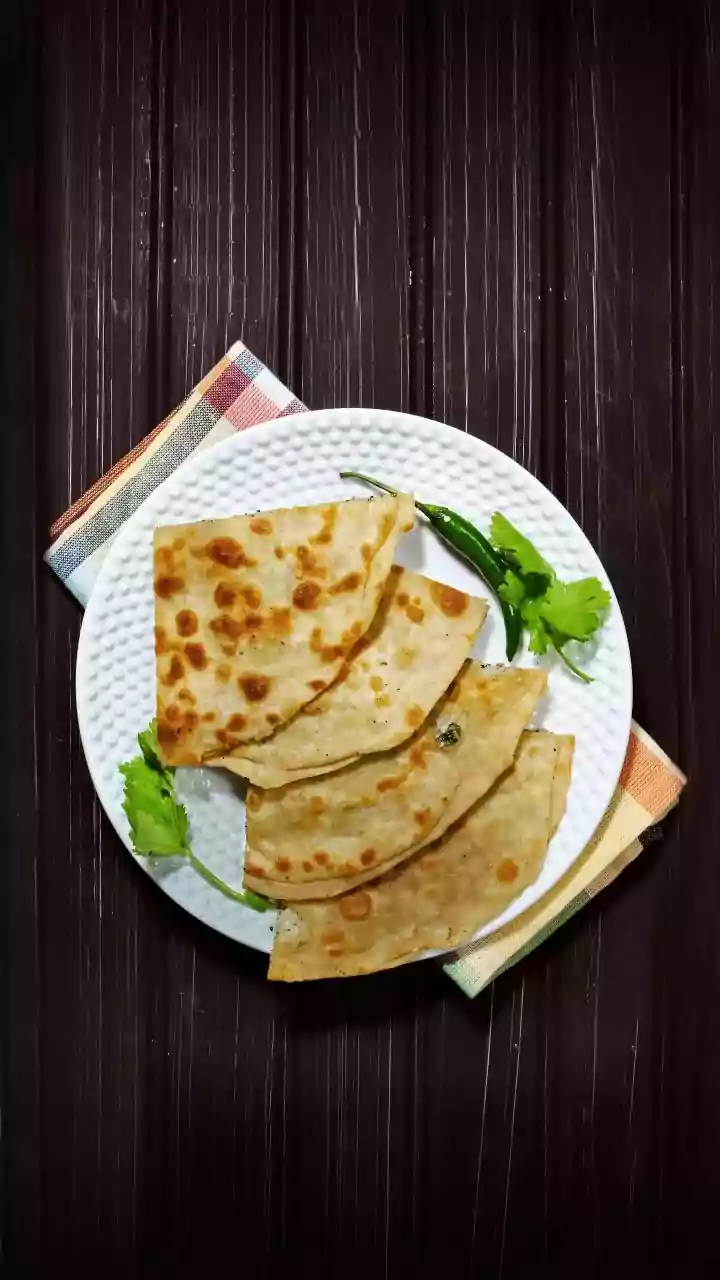
Thepla is a soft, flavorful flatbread, a common component of Gujarati meals. Typically made from wheat flour, gram flour, and various spices, thepla is often flavored with fenugreek leaves, which impart a distinctive taste and aroma. The dough is rolled thin and then cooked on a griddle with a touch of oil. It is usually served with yogurt, pickles, or chutney. Thepla is a good source of fiber and can be packed for travel or enjoyed at any meal. It's a versatile dish that can be eaten cold or warm. The addition of fenugreek leaves not only enhances the flavour but also contributes to the nutritional value. Thepla comes in different variations based on ingredients, such as methi thepla (with fenugreek leaves) and plain thepla.
Undhiyu: A Winter Specialty
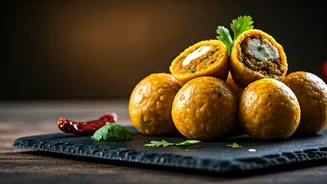
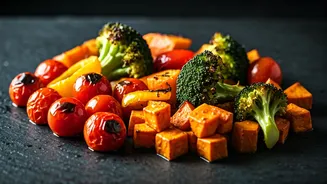
Undhiyu is a seasonal vegetable casserole, popular during the winter months. The dish’s name comes from the Gujarati word 'undhu', which means 'upside down', because traditionally, it was cooked in earthen pots inverted underground. Undhiyu involves slow-cooking an assortment of vegetables, like brinjals (eggplant), potatoes, and beans, along with a blend of spices. Key ingredients include methi muthia (fenugreek dumplings), green garlic, ginger-garlic paste, and a blend of spices. The slow-cooking process allows the flavours to meld, creating a rich and aromatic dish. Undhiyu is often served with puri (deep-fried bread) and shrikhand (sweet yogurt). The winter harvest of fresh vegetables and the unique cooking method make Undhiyu a treasured part of Gujarati culture.
Khandvi: The Delicate Rolls
Khandvi, thin, rolled savory snacks, is another iconic Gujarati dish. Khandvi is made from a batter of gram flour and yogurt, cooked to a thick consistency. Once the batter cools, it is spread thinly and cut into rolls. The rolls are then tempered with mustard seeds, sesame seeds, and curry leaves. Khandvi provides a delightful combination of textures, being soft and light, yet flavourful. The tempering adds a layer of depth and aroma, enhancing the overall taste. This snack is often served as a starter or a side dish and is enjoyed with a sprinkle of freshly chopped coriander leaves. Making khandvi can be tricky, as it requires precise timing and technique to achieve the right texture.
Dal Dhokli: A Comfort Food
Dal Dhokli is a comforting one-pot meal that combines dal (lentils) and dhokli (wheat flour dumplings). The dhokli dumplings are added to a flavorful dal, enriched with spices. The dish is cooked until the dhokli softens and absorbs the flavours of the dal. This creates a satisfying, hearty, and wholesome meal. It is a good source of protein and carbohydrates, making it a complete meal. The spices used often include turmeric, coriander, cumin, and red chili powder. Dal Dhokli is a popular home-cooked meal, loved for its simplicity and comforting nature. The texture and taste can vary depending on the type of dal used and the spices added. The combination of textures and flavours makes it a popular choice for all ages.
Fafda-Jalebi: Sweet & Savory Duo
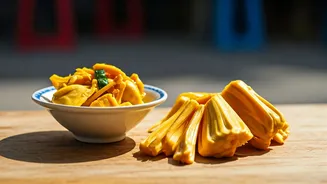
Fafda-Jalebi is a classic Gujarati combination, an unmatched combination of sweet and savoury snacks. Fafda are crispy, fried gram flour sticks, often eaten with green chilies and a tangy chutney. Jalebi are deep-fried, spiral-shaped sweets soaked in sugar syrup, offering a burst of sugary goodness. The contrast of textures and tastes—the crispiness of the fafda with the sweetness of the jalebi—creates a delightful culinary experience. This pair is especially enjoyed during festive occasions and as a morning or evening snack. Street vendors throughout Gujarat sell this popular combination. Its appeal lies in its simplicity and contrasting flavours.
Gujarati Kadhi: A Tangy Soup
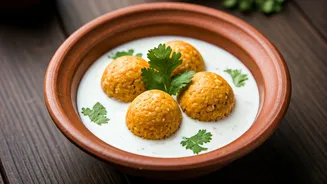
Gujarati Kadhi is a thin, creamy, and tangy soup made from buttermilk (chass), gram flour, and spices. The buttermilk and gram flour create the base, while spices such as ginger, green chilies, and curry leaves provide the flavour. It is often served with rice. The kadhi is cooked until it thickens slightly and develops a tangy flavour. Some recipes also include vegetable fritters (pakoras) for added texture and taste. The kadhi provides a cooling contrast to spicier dishes and is a staple in many Gujarati households. The tanginess is a result of the buttermilk fermentation process, which also aids digestion. Gujarati Kadhi varies slightly based on regional preferences and the spices used.
Shrikhand: A Sweet Delight
Shrikhand is a sweet, creamy dessert made from hung yogurt, sugar, and cardamom, often garnished with nuts and saffron. The yogurt is strained to remove the whey, resulting in a thick, dense texture. The strained yogurt is then sweetened with sugar and flavored with cardamom and other spices like saffron. Nuts, such as almonds or pistachios, add a pleasant crunch and visual appeal. Shrikhand is a popular dessert served during festivals, celebrations, and special occasions. The simplicity of the ingredients and the ease of preparation make it a favourite dessert among both home cooks and dessert lovers. Variations include the addition of fruits and other flavorings like mango to create different tastes.