
The Essence of Lohri
Lohri, a festival celebrated with gusto primarily in the Punjab region of India, is a vibrant marker of the winter season's end, usually observed on January
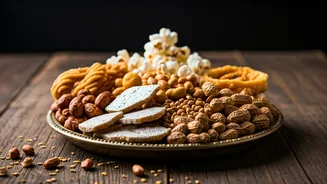
13th. The festival is characterized by bonfires, symbolizing the triumph of good over evil and the welcoming of longer days. It’s a time for families and friends to gather, share warmth, and celebrate the blessings of life. Traditionally, Lohri is associated with the harvest season, and the offerings to the fire often include items like sesame seeds, jaggery, peanuts, and popcorn, representing prosperity and gratitude. This sets the stage for a period of joyous feasting and togetherness, reflecting the rich cultural heritage and values deeply rooted in Punjabi traditions. The core of Lohri is about community and shared experiences, making it an excellent time to bring people together.
Sarson da Saag
One of the most iconic dishes of Punjabi cuisine, especially during Lohri, is Sarson da Saag, a flavorful preparation made from mustard greens. The recipe typically involves finely chopping fresh mustard greens and cooking them with spinach and bathua, creating a rich base. These greens are then simmered with a blend of aromatic spices, like ginger, garlic, green chilies, and a touch of asafoetida. The slow cooking process allows the flavors to meld, resulting in a dish that is both hearty and healthy. Traditionally, a small amount of maize flour (makki ka atta) is added to thicken the saag and give it a slight grainy texture, enhancing its authenticity. The cooking of Sarson da Saag is an art, requiring patience to achieve the perfect balance of flavors, ensuring it’s not too bitter or overpowering. It's often served with Makki di Roti, creating a complete and satisfying meal that epitomizes Punjabi comfort food.
Makki di Roti
Makki di Roti, or cornmeal flatbread, is the perfect companion to Sarson da Saag. Preparing this bread involves using cornmeal, which, unlike wheat flour, doesn't contain gluten. This means the dough is delicate and requires careful handling. Traditionally, the dough is made by kneading cornmeal with warm water until it forms a pliable consistency. Skilled cooks can pat the dough into a round shape directly on their palms or use a rolling pin between two sheets of parchment paper. The roti is then cooked on a griddle (tawa) over medium heat, where it puffs up slightly and develops a golden-brown hue. It's essential to cook it evenly, ensuring both sides are fully cooked and have a slightly charred texture. The simplicity of Makki di Roti contrasts beautifully with the rich, complex flavors of the Sarson da Saag, making it an integral part of the Lohri meal. Serving it with a dollop of fresh, homemade white butter adds an extra layer of richness.
Gajak and Rewari
Gajak and Rewari are the quintessential sweets associated with Lohri, representing the sweetness of the season. Gajak is a brittle sweet made primarily from sesame seeds and jaggery. The sesame seeds are roasted to bring out their nutty flavor, then mixed with melted jaggery and allowed to cool and harden into a crunchy treat. The texture is delightfully crisp, with a rich, caramel-like sweetness that is both satisfying and addictive. Rewari, on the other hand, is a similar sweet, also made from sesame seeds and jaggery, but it has a slightly softer, chewier texture. These treats are often offered to the bonfire and shared among family and friends as a symbol of goodwill and shared happiness. Gajak and Rewari are not only delicious but also reflect the seasonal harvest, emphasizing the importance of natural ingredients and the joy of sharing.
Peanuts and Popcorn
Roasting peanuts and popcorn is another significant tradition during Lohri, often enjoyed while gathered around the bonfire. Peanuts are typically roasted until they have a fragrant, smoky flavor, making them irresistible to eat. Popcorn, a simple yet comforting treat, adds a light, airy contrast to the denser peanuts and other festive dishes. These items are thrown into the bonfire as offerings and are then distributed among the people present. The act of sharing peanuts and popcorn strengthens community bonds and brings a sense of warmth and camaraderie, reflecting the spirit of Lohri. The simplicity of these snacks allows the focus to remain on the togetherness and the collective joy of the celebration. The crunch of peanuts and the fluffiness of popcorn also provide an engaging texture, making the Lohri experience even more enjoyable.
Other Festive Treats
Besides the main dishes, Lohri celebrations also feature a variety of other delicious treats that enhance the festive mood. Pinni, a sweet made from whole wheat flour, ghee, and jaggery, is a popular choice, providing a comforting and energy-rich treat perfect for the winter chill. Another favorite is Chikki, a brittle made from peanuts or other nuts bound together with jaggery or sugar, offering a satisfying crunch and sweetness. Various types of ladoos, especially those made with sesame seeds and jaggery, are also widely enjoyed. These snacks provide a delightful mix of flavors and textures, ensuring there’s something for everyone to enjoy. The variety of sweet treats symbolizes the abundance of the harvest and the joy of sharing, while adding to the festive experience.