







The Seasonal Shift Explained
As winter's chill recedes and warmer days approach, our bodies naturally crave lighter sustenance. During the colder months, our metabolism often adapts
to process calorie-dense foods, providing essential warmth and energy. However, transitioning abruptly to a drastically different diet can disrupt this finely tuned system. The key lies in a gradual adaptation, respecting how our digestive system has adjusted. Suddenly eliminating familiar fats and carbohydrates can lead to unwanted consequences like energy depletion, intensified cravings for comfort foods, and digestive unease. Therefore, adopting a measured approach ensures a comfortable and effective shift, allowing your body to harmonize with the changing climate without experiencing undue stress or adverse reactions. This mindful transition is a cornerstone of maintaining well-being throughout the year, particularly in regions with distinct seasonal variations in climate and food availability.
Gradual Reduction Strategies
Instead of completely eliminating beloved winter dishes, the initial phase of dietary adjustment involves thoughtful reduction. This means consciously decreasing the portion sizes and the frequency with which you consume richer foods. For instance, you might opt for plain phulkas instead of stuffed parathas, accompanying them with a light vegetable stir-fry. When preparing your meals, consider using slightly less oil in the tempering (tadka), focusing on retaining the core flavors you enjoy. Similarly, for desserts, explore fruit-based options more often, rather than completely forsaking them. This strategy allows your palate and digestive system to acclimate naturally, making the overall transition feel less like a deprivation and more like a natural evolution of your eating habits. It's about moderation and smart choices, rather than outright abstinence, which is crucial for long-term dietary adherence and well-being.
Embracing Fresh Produce
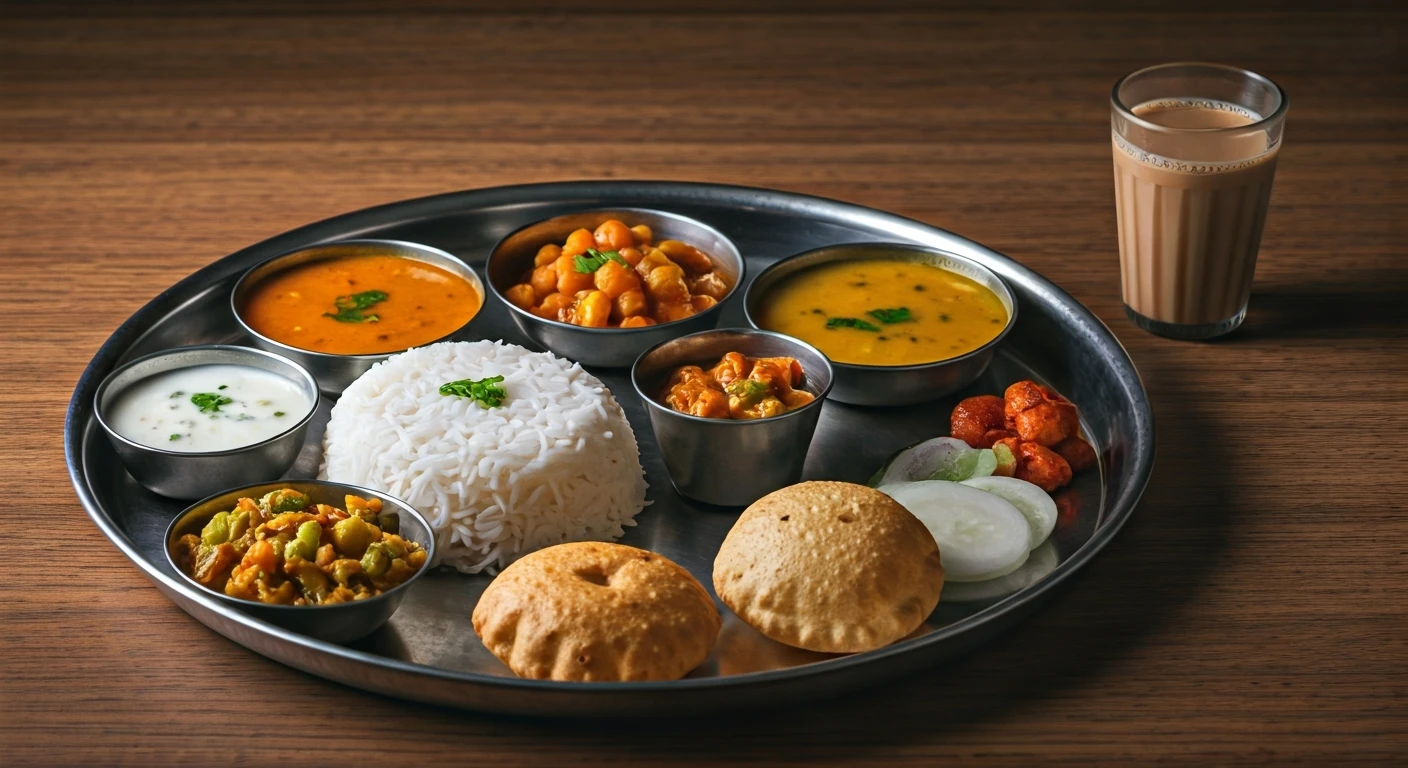
As spring unfolds, a vibrant array of fresh, seasonal produce becomes readily available, offering a delightful opportunity to enrich your meals. Incorporating these natural gifts is a more effective approach than making wholesale changes. Aim for a balanced plate that includes a serving of light dal, a generous portion of a seasonal vegetable, a modest amount of rice or roti, and curd to support gut health. The emphasis here is on the freshness and hydrating qualities of these ingredients, ensuring your body receives essential nutrients without feeling weighed down. This approach not only supports a healthy digestive system but also introduces a delightful variety of flavors and textures, making the transition enjoyable and sustainable. Focusing on what you can add, rather than what you must remove, fosters a positive relationship with food.
Adapting Cooking Methods
Beyond the ingredients themselves, the way food is prepared plays a pivotal role in its overall lightness and digestibility. As you transition to warmer weather, consider shifting your cooking techniques to favor methods that reduce heaviness while preserving deliciousness. Instead of deep-frying, opt for shallow sautéing or steaming your vegetables. Move away from rich, creamy curries and heavy gravies, and instead, embrace lighter, tomato-based or yogurt-based sauces. Clear soups and brothy dals are excellent alternatives to dense preparations. These adjustments in cooking style significantly reduce the caloric and digestive load of your meals, ensuring that you can continue to enjoy flavorful food without the associated sluggishness or discomfort. This mindful alteration of cooking methods is key to maintaining both taste and well-being.
Smart Hydration Practices
During the winter months, water intake often naturally decreases. However, as temperatures rise, adequate hydration becomes paramount for facilitating digestion and aiding the body's natural detoxification processes. Starting your day with a glass of warm water is a simple yet effective practice. You can enhance this by adding a squeeze of lemon or a pinch of cumin seeds, depending on your preference. Incorporating water-rich foods like cucumber, watermelon (when in season), and coconut water into your diet further boosts your fluid intake. Proper hydration not only keeps you refreshed but also plays a crucial role in managing cravings for heavier, more indulgent foods, promoting a feeling of fullness and satiety naturally.
Listening to Hunger Cues
As the seasons shift, so too can your appetite and energy levels. It's common to experience a reduced hunger during the afternoons or a craving for something more refreshing rather than a substantial meal. Rather than forcing yourself to adhere to rigid meal schedules, it's beneficial to pay close attention to these natural hunger signals. Opt for smaller, well-balanced portions throughout the day, and consider incorporating fruits as a light mid-morning snack. Avoiding heavy meals late at night can also significantly improve digestion and sleep quality. Mindful eating, which involves being present and aware of your body's cues, allows for better self-regulation and a more harmonious relationship with food, ensuring you consume only what your body truly needs.
Nurturing Gut Health
A robust digestive system is fundamental to navigating seasonal dietary changes with ease. To support your gut health during this transition, incorporate foods that promote a healthy microbiome. This includes regular consumption of curd or buttermilk, which are excellent sources of probiotics. Fermented foods like 'kanji' (a fermented carrot drink popular in North India) can also be beneficial. Load up on fiber-rich vegetables, which feed beneficial gut bacteria. Moderating spices like cumin and ginger can further aid digestion. It's important to avoid extreme detox diets, as your body thrives on balanced nourishment rather than drastic cleansing measures. A well-supported gut will make the entire process of dietary adaptation much smoother and more effective.
Timeless Indian Wisdom
Traditional Indian dietary practices have always been intrinsically linked to the rhythm of the seasons. Our ancestors possessed an innate understanding of how changing climates influenced digestion and energy needs. Winter was a time for warming ingredients like sesame and jaggery, paired with nutrient-rich ghee. Conversely, summer brought lighter fare such as cooling buttermilk, tart raw mango drinks, and easily digestible seasonal vegetables. This ancestral wisdom aligns perfectly with modern nutritional science, which advocates for gradual dietary adjustments rather than abrupt shifts, especially when transitioning between distinct seasons. Embracing this time-tested approach ensures that our eating habits remain in sync with our environment and our body's evolving requirements.