





Core Sambar Ingredients
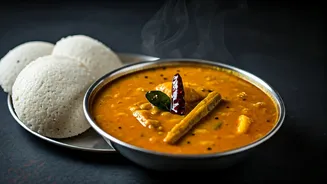
Crafting an authentic South Indian sambar begins with selecting the right foundational components. At its heart is the toor dal, also known as arhar dal, which
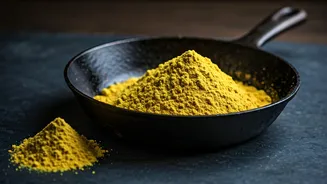
provides a creamy, protein-rich base when cooked to a soft, mushy consistency. Complementing the dal is a medley of fresh vegetables, traditionally including fibrous drumsticks, sweet pumpkin, tender brinjal, crisp carrots, earthy beans, and the mild bite of onions and tomatoes. The indispensable souring agent is tamarind, used as a thick pulp to impart its signature tangy flavour; the amount can be adjusted to personal preference. A crucial element for complexity is sambar powder, a pre-mixed blend of aromatic spices that defines the dish's unique taste profile, whether homemade or a high-quality store-bought version. Lastly, turmeric powder adds a warm hue and subtle earthiness, while salt is essential for bringing all the flavours together.
Sambar Preparation Steps
The journey to a delicious sambar involves several distinct stages. First, the toor dal is pressure cooked with water and turmeric until it achieves a thoroughly soft and mashable texture, then set aside. Simultaneously, tamarind is soaked in warm water to extract its thick, flavourful pulp. Next, a variety of vegetables, cut into manageable pieces, are simmered in a pot with water and salt until tender but not overcooked. The extracted tamarind pulp is then added to the vegetables and allowed to boil for a few minutes. Following this, the essential sambar powder is incorporated, and the mixture simmers further to let the spices meld. The mashed dal is then introduced, blending everything into a cohesive, stew-like consistency. Water is added to achieve the desired thickness, and the sambar is brought to a gentle boil. Finally, a tempering or 'tadka' is prepared by heating oil and sizzling mustard seeds, cumin seeds, dried red chillies, asafoetida, and curry leaves until fragrant. This aromatic mixture is then poured over the sambar, infusing it with its final layer of flavour.
The Tempering (Tadka)
The final flourish that elevates any South Indian sambar is the tempering, or 'tadka', a small yet impactful step that adds a burst of aroma and flavour. This process involves heating a small amount of oil, typically sesame or coconut oil, in a separate small pan until it's hot enough to release the aromas of the spices. Into this hot oil, mustard seeds are added first, allowed to splutter and pop, signalling they're releasing their nutty essence. Cumin seeds follow, adding their own distinct warm, earthy notes. Dried red chillies are then introduced, providing a gentle heat and a touch of colour. A pinch of asafoetida, or 'hing', is crucial for its pungent, umami-rich flavour that complements the lentils. Finally, a generous handful of fresh curry leaves are added; they crackle and sizzle, releasing an intensely fragrant, slightly citrusy aroma that perfumes the entire dish. This meticulously prepared tempering is then poured over the finished sambar, immediately before serving, to preserve its vibrant fragrance and taste.