






Pakistan's Stance Explained
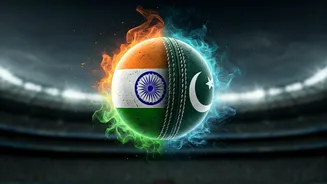
The Pakistan government initially announced a controversial decision: their cricket team would participate in the T20 World Cup but would refuse to play
against India. This declaration was made via social media, with Prime Minister Shehbaz Sharif publicly confirming the stance, attributing it to a principled stand against the exclusion of Bangladesh and emphasizing a separation of sports from politics. However, this move created significant ripples within the international cricket community, prompting immediate reactions and diplomatic efforts to resolve the impasse. The government's assertion pointed towards a directive preventing the fixture, originally slated for February 15 in Colombo.
International Reactions & ICC Involvement
Following Pakistan's announcement, the international cricket landscape reacted with concern and a degree of disapproval. Reports indicated that Cricket Australia and the England Cricket Board were displeased with the Pakistan Cricket Board (PCB), suggesting a lack of support for Pakistan's position. The PCB also faced warnings of potential legal action from broadcasters, who stood to incur substantial financial losses. The International Cricket Council (ICC) responded by initiating back-channel discussions, tasking deputy chair Imran Khawaja with persuading the PCB to reconsider. While the ICC had not yet received formal communication from the PCB, they issued a strong statement on the matter, underscoring the seriousness of the situation.
Sri Lanka's Appeal
In a bid to salvage the tournament's schedule and avoid financial repercussions, Sri Lanka Cricket (SLC) penned a letter to the PCB. According to Sri Lankan media, SLC urged Pakistan to proceed with the match against India, highlighting the significant financial losses that would ensue, particularly in light of pre-booked hotel accommodations. The SLC reportedly reminded the PCB of their past support during difficult times. This appeal underscores the logistical and economic impact of any match cancellation, emphasizing the interconnectedness of cricket hosting and its associated industries.
Indian Perspective & U-Turn Speculation
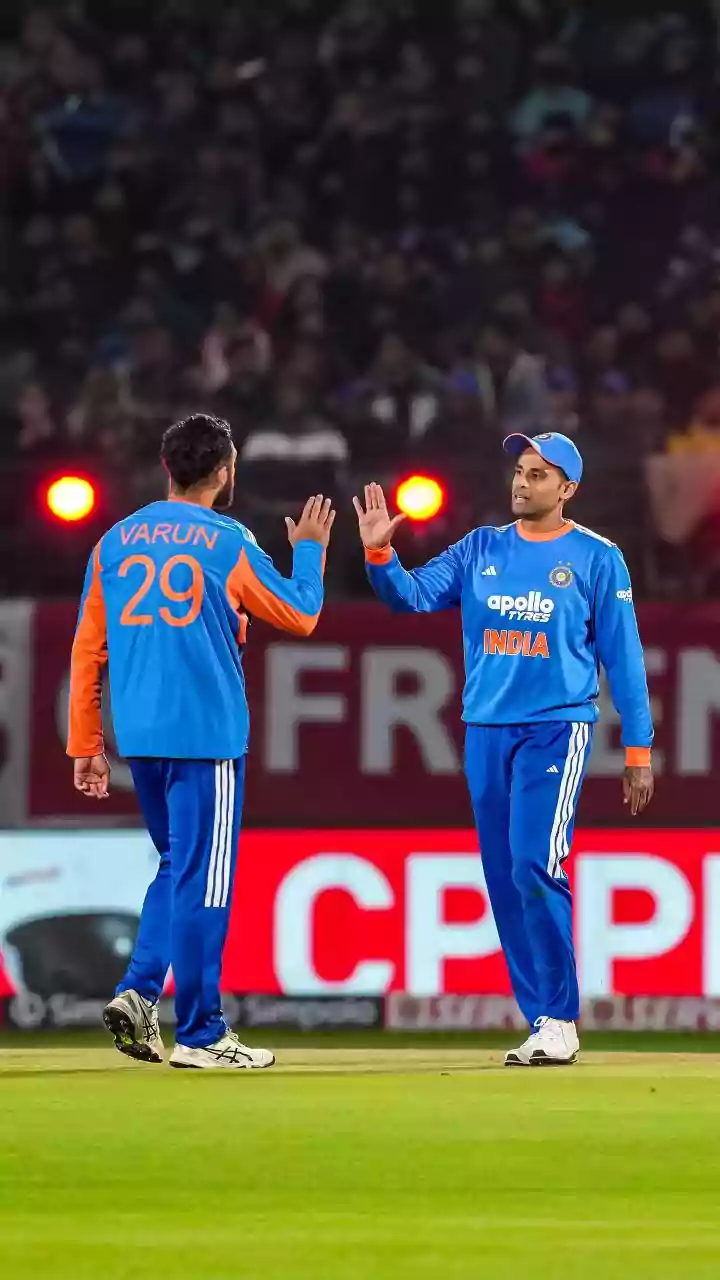
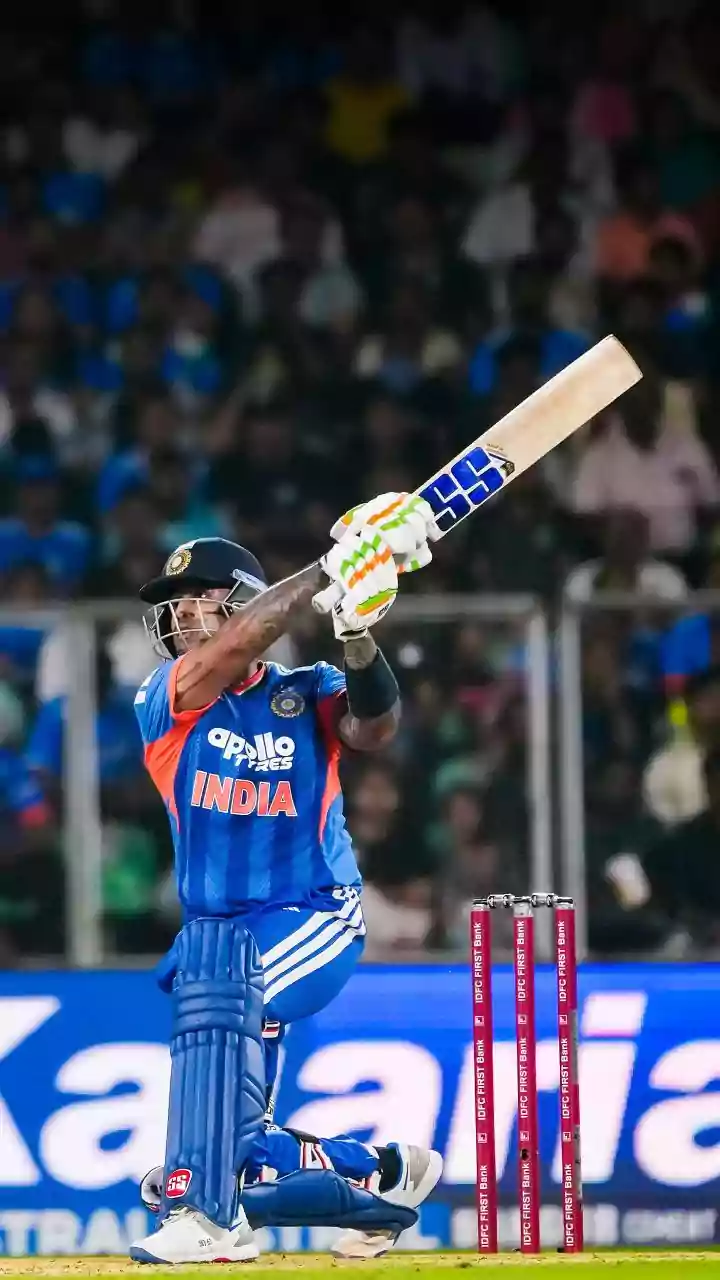
From the Indian side, a Board of Control for Cricket in India (BCCI) official dismissed Pakistan's arguments as weak, referencing the participation of both teams in the U19 World Cup. Indian captain Suryakumar Yadav confirmed the Indian team's readiness to travel to Colombo, stating, 'Our flight is booked.' Meanwhile, Pakistan's captain expressed uncertainty, stating the team would follow government directives. Speculation arose about a potential U-turn from Pakistan, particularly following elections in Bangladesh. Concerns were raised about the PCB head, Mohsin Naqvi, being a key politician, potentially influencing decisions for political gain rather than cricketing reasons. Experts suggested that Pakistan might reconsider to avoid isolation and significant financial penalties, estimated at 40 billion PKR in lost ICC revenue.
ICC Leadership & Potential Fallout
While some reports circulating in Pakistani media suggested ICC Chairman Jay Shah was meeting broadcasters in Mumbai, it was confirmed he was in Milan for International Olympic Council meetings. The ICC's deputy chair, Imran Khawaja, hailing from Singapore, has been instrumental in the diplomatic efforts. The controversy could have broader implications beyond the T20 World Cup, potentially affecting India's bid for the 2036 Olympics, as the IOC requires member nations to maintain good relations. Furthermore, with cricket set to feature in the 2028 Los Angeles Olympics, the ICC's handling of such disputes is under scrutiny. The potential fallout includes significant financial losses for all member boards and broadcasters, with suggestions that players might face difficulties obtaining No Objection Certificates (NOCs) for T20 leagues.