


A Culinary Paradise
Indian cuisine, a diverse assortment of flavors, is recognized globally. TasteAtlas, a renowned food guide, placed India at the 12th position in its ranking
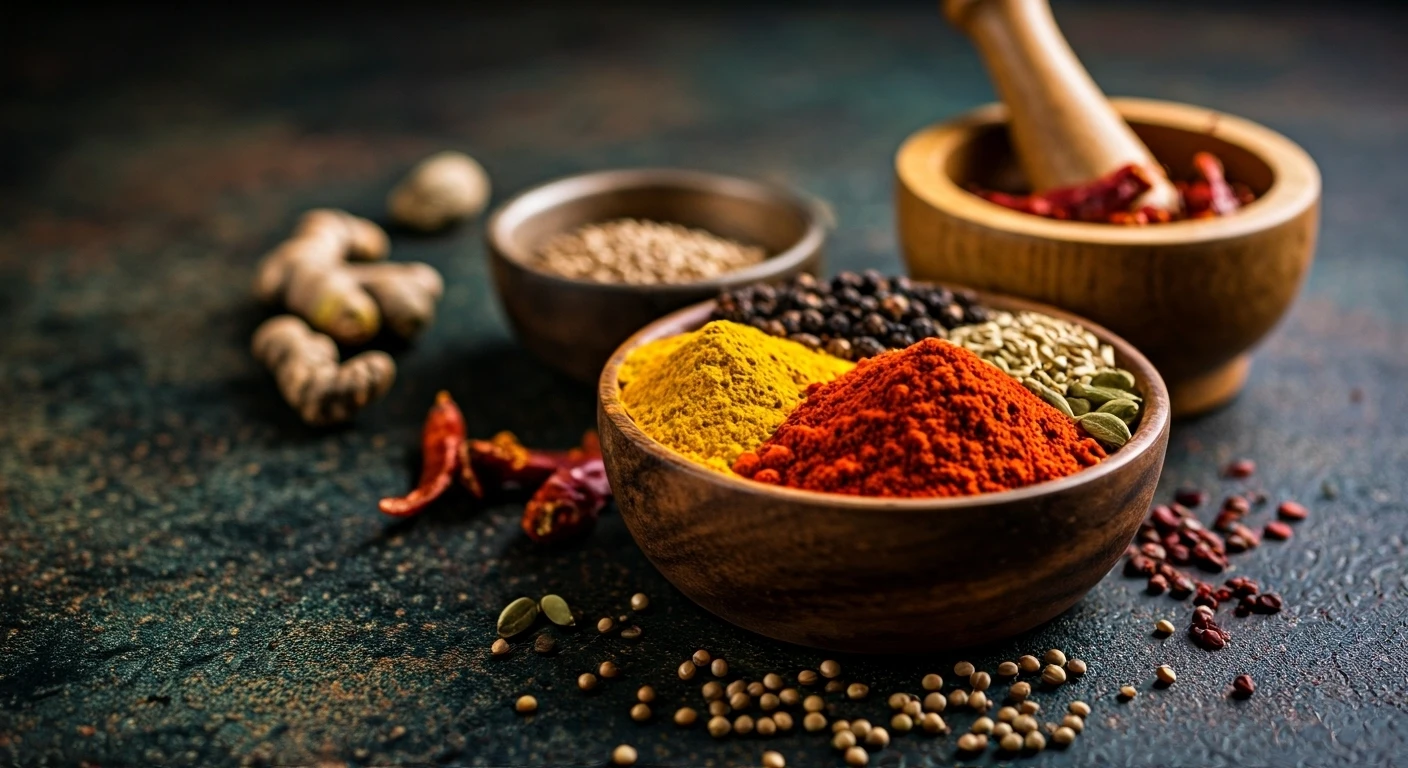
of the world's best cuisines. This achievement is a testament to the rich variety and culinary excellence found across the Indian subcontinent. India's diverse geography, from the Himalayas to the coastal regions, contributes to a wide array of ingredients, cooking techniques, and distinct regional styles. This diversity is a key element of what makes Indian food so captivating. This ranking reflects the culmination of centuries of tradition, innovation, and the incorporation of culinary influences from various cultures. The unique spice combinations, the diverse cooking methods, and the emphasis on fresh ingredients all play an essential role in creating the rich flavors and textures that define Indian cuisine, captivating palates worldwide.
North Indian Flavors
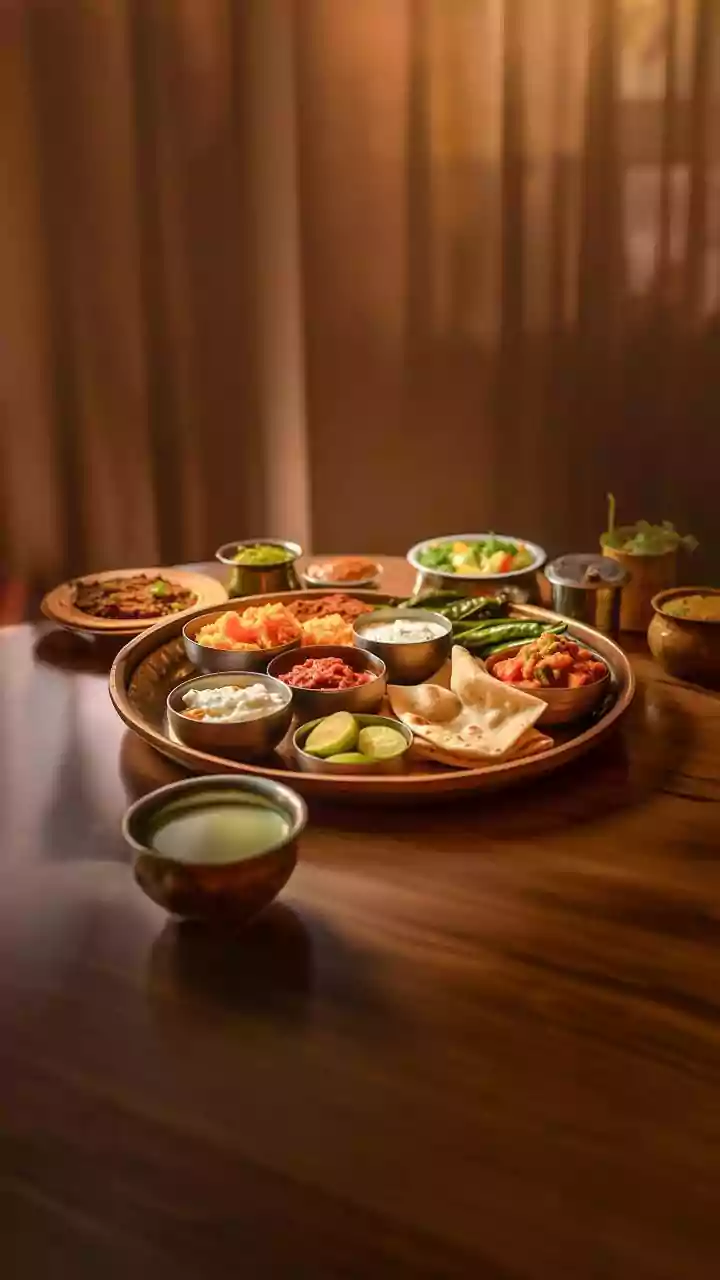
North Indian cuisine, known for its rich gravies, creamy textures, and the use of tandoor ovens, provides an indulgent experience. Dishes like Butter Chicken, made from tender, tandoor-cooked chicken in a tomato-based gravy with butter, are a hallmark of this regional style. Also popular is Rogan Josh, a flavorful lamb dish cooked in a gravy with a unique blend of spices, and Dal Makhani, a creamy black lentil dish. The use of dairy products such as cream, butter, and ghee is prevalent, providing richness to the dishes. Flatbreads, including naan and roti, are integral parts of the meal, alongside aromatic rice dishes like biryani. The bold spices, the generous use of cream, and the warmth of the tandoor oven combine to create a delicious culinary experience that is a staple in many Indian homes and restaurants.
South Indian Delights
South Indian cuisine, renowned for its use of rice, lentils, and fresh ingredients, presents a lighter, yet flavorful profile. Idli, a steamed rice cake, and Dosa, a thin pancake made from fermented batter, are popular breakfast staples. Dishes such as Sambar, a lentil-based vegetable stew, and Rasam, a thin, tangy soup, are common accompaniments. The use of coconut, both in the form of milk and shredded coconut, adds a unique richness and flavor to the dishes. Spices such as mustard seeds, curry leaves, and chilies are often used, lending a spicy kick to the meals. The freshness of the ingredients, the lighter cooking methods, and the focus on vegetarian dishes characterize South Indian cuisine, making it a favorite for its health benefits and distinctive taste.
West Indian Specialties
West Indian cuisine, especially in states like Maharashtra and Gujarat, has a blend of vegetarian and non-vegetarian dishes, often with a sweet and spicy taste. Vada Pav, a potato fritter in a bun, is a popular street food from Mumbai. Pav Bhaji, a vegetable curry served with bread, is another street-food staple. Undhiyu, a mixed vegetable dish, is a specialty from Gujarat, often eaten during festivals. The influence of coastal regions is evident in the use of seafood in dishes like Bombil fry. The use of jaggery and tamarind offers a balance of sweet and sour flavors. The cuisine reflects the cultural diversity of the region, with influences from both the coast and the interior. The use of various regional spices and cooking methods adds depth to the local flavors.
East Indian Cuisine
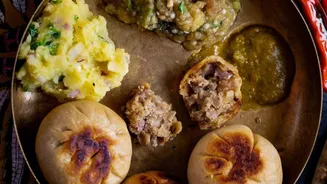
East Indian cuisine, centered around states like West Bengal and Bihar, is known for its use of fish, rice, and a variety of spices. Fish Curry is a popular dish in Bengal, highlighting the region's proximity to the sea. Bihar's Litti Chokha, baked wheat balls served with mashed vegetables, shows the rustic charm of the region. The cooking style often involves the use of mustard oil, which imparts a distinctive flavor to the dishes. Sweets like Rasgulla and Sandesh from Bengal are loved for their delicate flavor. Rice is the main element of a meal, often accompanied by lentils and vegetables. The climate of the area and cultural factors contribute to the flavor profile, making it a delicious journey of flavors and aromas.
Goan and Coastal Fare
Goan cuisine is a blend of Indian and Portuguese culinary influences. Seafood dominates the diet, with dishes like Fish Curry and Prawn Balchao being very popular. Vindaloo, a spicy pork dish, reflects the Portuguese impact. The use of coconut vinegar, chillies, and spices gives Goan cuisine its bold flavors. Coastal regions influence the use of fresh ingredients and the preparation methods. The flavors are distinct and tangy, offering a unique experience. The cuisine is a testament to the historical links between Goa and Portugal. The integration of Indian spices with Portuguese methods gives a unique flavor profile that appeals to people with various tastes.
Kashmiri Culinary Art
Kashmiri cuisine is characterized by its use of rich spices, dried fruits, and meats, a reflection of the region's climate and culture. Rogan Josh, a lamb dish cooked in a gravy with Kashmiri chilies and spices, is a prominent dish. The use of saffron, cardamom, and other aromatic spices gives Kashmiri food its distinctive fragrance. Wazwan, a multi-course meal, showcases the mastery of the cuisine. The use of nuts and dried fruits, as well as mutton, is prominent. The unique flavor profiles reflect the influence of Persian, Central Asian, and Indian cooking styles. The cuisine is known for its elaborate preparations and the rich flavors that reflect the heritage and traditions of Kashmir.
Rajasthani Flavors
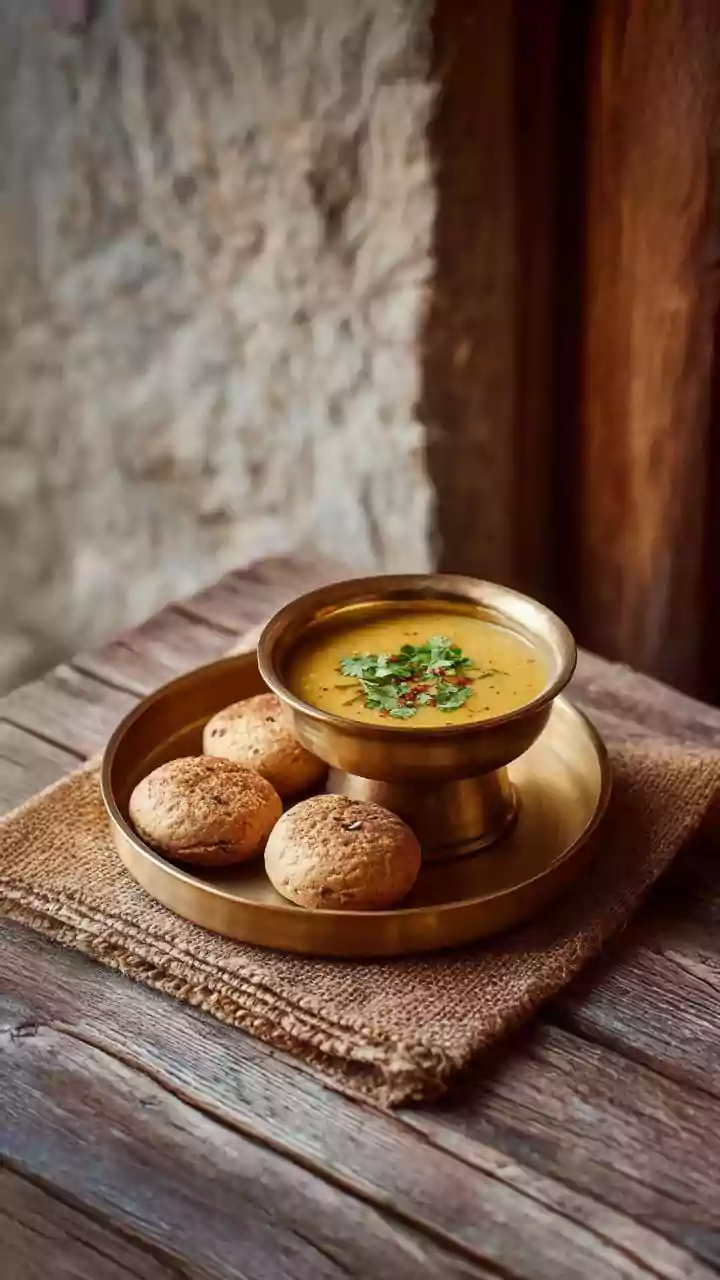
Rajasthani cuisine is known for its use of ghee, spices, and an array of vegetarian dishes that are prepared with creative techniques. Dal Baati Churma, a combination of lentils, baked wheat balls, and sweetened crumbled wheat, is a staple. Gatte ki Sabzi, made with gram flour dumplings in a spiced gravy, is another popular dish. The use of dairy products like buttermilk and yogurt is common. The flavors are typically bold and spicy, reflecting the harsh desert environment. The cooking techniques have been adapted to suit the climatic conditions, with an emphasis on preserving foods. The cuisine reflects the spirit of the Rajput warriors, with its richness and distinct preparation methods.
Hyderabadi Delights
Hyderabadi cuisine, a blend of Mughlai and Andhra influences, is known for its rich, aromatic, and flavorful dishes. Biryani, a mixed rice dish with meat, is a hallmark of Hyderabadi cooking. The use of spices, along with herbs, gives dishes a unique taste. Haleem, a slow-cooked stew of meat, wheat, barley, and lentils, is a favorite during the month of Ramadan. The cuisine reflects the legacy of the Nizams, who ruled Hyderabad for centuries. The influence of Persian, Arab, and Turkish cooking is noticeable. The use of spices, along with slow cooking processes, gives Hyderabadi food its richness and deep flavors. The Hyderabadi cuisine is a flavorful blend of history and taste, attracting people around the world.
Assam and Beyond
Assamese cuisine showcases unique flavors, reflecting the region's geography and climate. Fish Tenga, a sour fish curry, and Masor Tenga, a fish dish, are common. The use of herbs, vegetables, and bamboo shoots is a defining feature. The cuisine reflects the simplicity and natural goodness of local ingredients. The use of fermented foods, herbs, and spices is notable. The culinary styles reflect the influence of diverse communities and the environment. Rice is the main element of meals, often accompanied by vegetables and curries. Assamese cuisine is a reflection of the environment, highlighting the richness of the land. The distinct flavors reflect the diverse culture and environment, making it a unique experience.