
What's the Buzz?
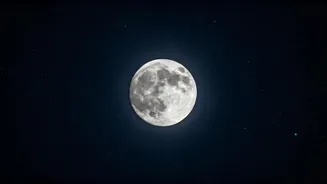
The term 'Supermoon' refers to a full moon that occurs when the moon is at or near its closest point to Earth in its orbit. This proximity makes the moon appear
larger and brighter than a typical full moon. The October Harvest Moon, as it's commonly called, is particularly significant due to its timing. The Harvest Moon is the full moon closest to the autumnal equinox, which has traditionally provided farmers with extra light to harvest their crops. The combination of a Supermoon with the Harvest Moon creates a spectacular visual experience for skywatchers. The Supermoon phenomenon has become increasingly popular, drawing widespread attention from both amateur astronomers and casual observers. This event is a great opportunity to appreciate the beauty of the cosmos and learn more about lunar cycles.
Timing is Key
The October Harvest Moon, being a Supermoon, will be at its brightest and largest when it is at its fullest phase. The exact timing of the moon's peak brightness is crucial for optimal viewing. To get the most out of this astronomical event, it's important to know the precise moment the moon reaches its peak fullness. Knowing the time allows you to plan your viewing around the ideal conditions. The full moon will appear to rise in the east as the sun sets in the west. The exact time of moonrise and moonset will vary based on your location. Resources such as online astronomy tools and apps can help you find the specific times for your area. Checking for clear skies in advance is essential for ensuring a good viewing experience. Try to find a spot away from city lights, as light pollution can diminish the moon's visibility. The best viewing times are usually around dusk and dawn, when the moon is low on the horizon.
Where to Look
To fully appreciate the Supermoon, selecting the right location is crucial. Ideally, find a spot with an unobstructed view of the eastern horizon. This will allow you to watch the moon rise without any visual barriers. Areas away from light pollution are also highly recommended. City lights can significantly impact the visibility of the moon, making it appear dimmer. Consider traveling to a location that offers a darker sky, like a park or a rural area. Before heading out, it's advisable to check the weather forecast to ensure clear skies. Overcast conditions can obscure the moon, so knowing the weather in advance is important for planning. Many people find observing the moon to be a social activity. Consider inviting friends or family to join you, enhancing the shared experience. Remember to dress comfortably, as you might be outside for an extended period. Bring a blanket or chair and, if possible, a pair of binoculars or a telescope to enhance your viewing.
More to Know
Beyond just seeing the Supermoon, there's a lot to discover about it. The term 'Harvest Moon' comes from the traditional practice of farmers using the moon's light to continue harvesting their crops late into the evening. The Harvest Moon is the closest full moon to the autumnal equinox, and it has cultural significance in many societies. The Supermoon is not just a visual spectacle; it also has subtle effects. The increased gravitational pull of the moon during a Supermoon can cause slightly higher tides than usual. While the differences are generally not extreme, those near coastal areas may notice the effect. It is also important to note that the Supermoon is a recurring event. It occurs several times a year as the moon's orbit around the Earth is not a perfect circle. Understanding the lunar cycle is beneficial for predicting the next Supermoon appearances. Look up the dates and times for upcoming Supermoon events to continue enjoying the night sky. Enjoy the spectacle and appreciate the wonders of the universe.