




The Shift From Convenience
For a period, the convenience of food delivery apps dominated our eating habits. The ease of ordering diverse cuisines with a few taps made dining at home
the default, especially for those with busy schedules. While efficient, this routine gradually lost its appeal, leading to a sense of sameness. This shift highlighted a fundamental truth: food is rarely just about sustenance; it's deeply intertwined with experience and connection, something the delivery model inherently struggles to replicate. The quiet convenience, while practical, ultimately felt somewhat unfulfilling compared to the anticipation and joy of a shared meal out.
When Dinner Becomes Memorable
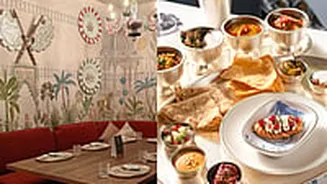
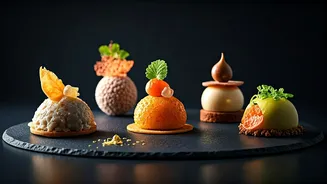
Today's diners seek occasions that justify the effort of stepping out. The meal needs to offer something distinct from what can be easily consumed at home. This involves creating an atmosphere that feels special, even in its simplicity. Restaurants are responding by crafting environments where patrons can witness culinary artistry firsthand, enjoy thoughtfully curated tasting menus, or immerse themselves in uniquely designed spaces. The objective is to transform a simple act of eating into an event, ensuring that the memory of the dining experience lingers long after the last bite is savored.
The Allure of Omakase
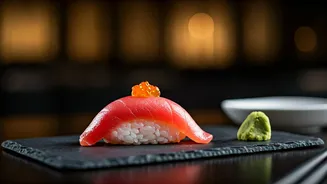
The Japanese concept of 'omakase,' meaning 'I leave it up to you,' perfectly encapsulates this desire for curated experiences. Instead of perusing a menu, diners entrust the chef to craft a unique culinary journey. Typically, this involves sitting at a counter, observing the chef's meticulous preparation of each dish, which is then served sequentially. The chef might offer brief insights into ingredients or preparation techniques. This intimate setting encourages mindfulness, slowing down the dining process. The inherent surprise of not knowing what's coming next makes each course a delightful discovery, fostering a deeper appreciation for flavors and the artistry involved, making the meal feel personal and exceptionally memorable.
Supper Clubs: Social Dining's Revival
Supper clubs are emerging as a compelling alternative to traditional restaurant outings, resembling intimate dinner parties more than formal dining. These exclusive gatherings usually host a select number of guests, all enjoying a pre-determined menu prepared by the host or chef. A key element is the communal seating, which naturally sparks conversation and connection among attendees. Strangers bond over shared culinary discoveries, exchange local recommendations, and the evening often extends well beyond the meal itself. In an era dominated by digital interactions, the genuine human connection fostered in these settings provides a welcome and refreshing change.
Experiences Over Purchases
A significant driver behind this shift is how people now prioritize their time and resources. Particularly among younger demographics, experiential spending is often perceived as more valuable than routine acquisitions. A well-executed meal shared with friends can elevate an average weeknight into something truly enjoyable and engaging. Furthermore, there's a growing curiosity to explore diverse cuisines, engage directly with chefs, and understand the narrative behind the food. Eateries are adapting by enhancing the interactive and personal aspects of their service, catering to this evolving consumer mindset.
More Than Just Food
At its core, this evolving dining trend taps into a fundamental human need for connection and shared moments. Food has always served as a powerful catalyst for bringing people together, sparking laughter, fostering conversation, and creating lasting memories. After a prolonged period where convenience dictated our eating habits, people are actively seeking the intrinsic joy of gathering around a table. When restaurants successfully transform meals into immersive experiences, dining out transcends mere sustenance, becoming a cherished occasion worth anticipating, sharing, and recalling with fondness long after the dining experience concludes.