



Embrace Electric Cooking
When faced with the absence of an LPG cylinder during Navratri, an electric induction cooktop or a hot plate emerges as an excellent alternative for preparing
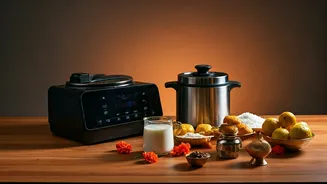
your devotional offerings. These versatile appliances are capable of handling a wide array of dishes traditionally made on gas, including staples like sabudana khichdi, singhare ka atta halwa, and various kheer preparations. You can also effortlessly boil potatoes, roast makhana, and brew tea. To optimize your experience, it's advisable to have lightweight, induction-friendly cookware readily available. Cooking in smaller portions can significantly speed up heating times, and it's best to avoid using very thick-bottomed vessels, as they tend to prolong the cooking process. This approach ensures that your culinary rituals remain unhindered, allowing for a seamless continuation of your Navratri observances.
Microwave Magic for Bhog
Your microwave oven can be an indispensable tool for preparing quick and simple bhog items, especially during fasting periods. It's perfect for crafting milk-based sweets like kheer, doodh-paak, and quick sheera. Additionally, you can steam vegetables such as sweet potatoes, pumpkin, or lauki for offerings. For crunchy snacks, the microwave is ideal for roasting makhana or peanuts. Remember to always use microwave-safe containers and to exercise caution by gradually adjusting cooking times to prevent any overflow or spoilage of your preparations. This method offers a convenient and efficient way to create diverse offerings for the Goddess.
Electric Kettle's Role
An electric kettle proves to be a surprisingly versatile appliance when gas is unavailable, acting as a true lifesaver during Navratri. It's incredibly useful for preparing sabudana dishes; simply ensure the sabudana is well-soaked before adding it to hot water in the kettle. Instant kheer can also be made by heating milk and then incorporating soaked nuts and makhana. Furthermore, you can use it to boil ingredients like potatoes, sweet potatoes, lauki, or fruits that are intended for bhog. A crucial tip is to refrain from adding oily or sticky substances directly into the kettle. Instead, heat water within the kettle and then utilize this hot water to cook your ingredients separately in a bowl or vessel.
No-Cook Devotional Eats
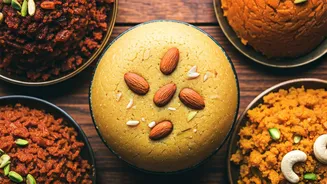
When access to cooking appliances is severely limited, or you prefer the simplicity of no-cook preparations, you can still assemble a beautiful and traditional bhog using natural ingredients. Offerings can include an abundance of fresh fruits like bananas, apples, papayas, and berries, alongside a variety of dry fruits such as almonds, cashews, raisins, and dates. Mishri (rock sugar) and makhana are also excellent choices. You can prepare curd mixed with fruits, offer pieces of fresh or grated coconut, or create a simple banana-honey mixture. Soaked almonds or peanuts are also a traditional favorite, and even pre-roasted ingredients can be used for a dish like Panjeeri. These offerings are not only perfectly acceptable but are also considered inherently pure and sattvik in tradition, requiring no cooking whatsoever.