






The Shifting Kitchen Landscape
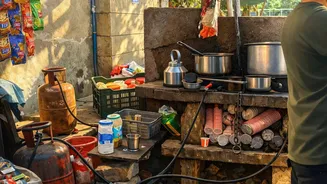
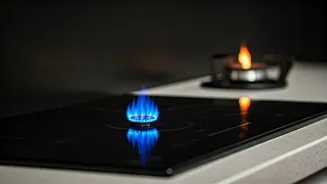
Across India, a significant transformation is brewing in kitchens as concerns over Liquefied Petroleum Gas (LPG) prices and supply reliability escalate.
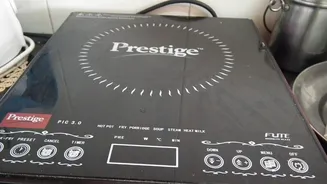
Home cooks and small-scale food entrepreneurs are increasingly turning towards electrical cooking alternatives, with induction stoves and rice cookers emerging as popular choices. This growing preference has led to a notable uptick in the sales of induction cooktops nationwide. Previously considered auxiliary or emergency equipment, these electric appliances are now gaining prominence, particularly in bustling urban areas like Delhi and the National Capital Region. For many small food businesses, this transition isn't merely about convenience; it's becoming a crucial strategy for operational survival in the face of tight profit margins and fluctuating fuel expenses, prompting a proactive rethinking of culinary practices.
Cost-Saving Culinary Strategies
For small food entrepreneurs operating cloud kitchens, managing costs is paramount, as even minor increases in cooking fuel can impact menu pricing. Suparna Roy, a cloud kitchen operator in New Delhi, articulates this challenge, emphasizing her commitment to avoiding price hikes despite potential LPG cost escalations. Her strategy involves leveraging electrical appliances like induction stoves and rice cookers to maintain efficiency and control expenses. She views these tools as invaluable for tasks requiring speed and volume, allowing her to absorb rising fuel costs without burdening customers. This pragmatic approach highlights how electrical cooking solutions offer a pathway to sustained operations and cost management, particularly when profit margins are already slender. The adoption of such appliances signifies a practical adaptation to economic pressures in the food service sector.
Homemakers' Anxious Adoption
The anxiety surrounding LPG supply and escalating costs is not confined to businesses; it's a palpable concern among homemakers as well. Shefali Jha, a home cook in Noida, shares her experience of growing unease among neighbours regarding potential LPG shortages or usage restrictions. Despite having a gas pipeline connection, the persistent discussions about fuel availability have prompted her to take precautionary measures. She has already acquired two induction stoves, and her proactive move inspired four neighbours to place a joint order, securing a collective discount. This trend suggests a growing sentiment that induction stoves are poised to become indispensable, with Jha predicting they might soon be in high demand, akin to 'gold,' if LPG prices continue their upward trajectory. This widespread adoption reflects a desire for energy security and cost predictability in household cooking.
Efficiency and Ease of Use
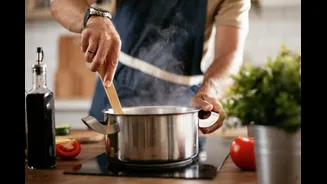
Induction cooktops boast impressive attributes, including rapid cooking times, high energy efficiency, and a cleaner user experience. Unlike traditional gas burners where heat dissipation is a factor, induction technology directs heat precisely to the cookware, optimizing energy transfer and reducing waste. This direct heating method also contributes to a cooler kitchen environment, a welcome advantage, especially during warmer months. Furthermore, the smooth surface of induction stoves simplifies cleaning, as spills are less likely to adhere and burn onto the surface. These advantages collectively enhance the cooking process, making induction a more attractive option for many households seeking efficient and convenient kitchen solutions that also offer improved safety and hygiene.
Navigating Cookware Compatibility
While the benefits of induction cooking are substantial, the transition is not without its learning curve, particularly concerning cookware. A common adjustment for new users is realizing that not all existing pots and pans are compatible with induction surfaces. Dr. Chaitali Sharma, based in Hyderabad, explains that induction cooktops require cookware made of ferromagnetic materials, such as stainless steel or cast iron, featuring a flat base. She encountered this firsthand when she had to purchase specific cookware, like kadhais designed for induction, alongside her new stove. This necessity highlights a potential initial investment for users transitioning to induction technology, as their current kitchenware might need to be supplemented or replaced to ensure optimal performance and function.
Scalability Challenges for Businesses
While induction cooktops offer a viable backup for households and smaller food ventures, their widespread adoption by larger food establishments presents significant challenges. Restaurants operating on a commercial scale typically rely on heavy-duty burners and expansive cooking surfaces, which are not easily replicated by current induction technology. A complete switch to electrical equipment would necessitate substantial capital investment in commercial-grade induction appliances and potentially an upgrade to the existing electrical infrastructure to support a higher load capacity. Many larger food businesses may find themselves unprepared for such extensive modifications, limiting the immediate applicability of induction solutions for high-volume, professional culinary operations that require specialized, robust cooking equipment.