




The Simple Alchemy
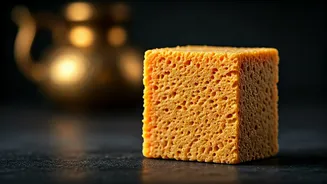
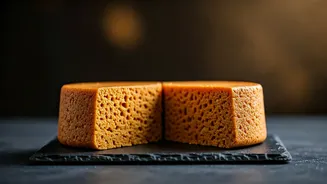
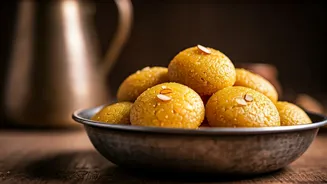
Kada Prashad, often overshadowed by more elaborate desserts, is a testament to how basic ingredients can create something extraordinary. Its core components
are remarkably simple: equal measures of coarse whole wheat flour (atta), sugar, and ghee, combined with water. While the ingredient list is modest, the transformation it undergoes is nothing short of magical. The crucial step lies in roasting the atta in a generous amount of clarified butter until it achieves a deep, nutty bronze hue. This process, akin to culinary alchemy, imbues the prashad with its characteristic aroma and flavor. Attempting this at home can be a challenge; the exact texture and depth of flavor achieved in larger, devotional settings often prove elusive, likely due to the scale and intensity of the cooking process. The difference lies not just in the ingredients, but in the dedication poured into its creation.
Devotional Preparation
The true essence of Kada Prashad's perfection is deeply rooted in its preparation, particularly within the sacred spaces of Gurdwaras. Here, the dish is crafted in massive iron cauldrons, known as 'karahi,' which lend the prashad its name. Volunteers, or 'sevadars,' engage in the vigorous stirring and mixing, often with tools resembling rowing oars, while immersed in prayer and chanting. This continuous hum of devotion, coupled with the sheer physical effort involved in managing such large quantities, is believed to be an essential, almost spiritual, ingredient that elevates the final product. This communal, faith-driven approach to cooking stands in stark contrast to individual home preparations, where the same divine touch and collective energy are naturally absent, making the Gurdwara's offering a uniquely transcendent experience.
An Unifying Offering
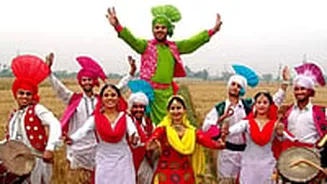
Beyond its delightful taste, Kada Prashad holds a profound significance as a powerful social equalizer. In the hallowed grounds of any Gurdwara, especially during Vaisakhi, the lines between societal strata completely dissolve. Whether you're a student, a business professional in formal attire, or a local street vendor, everyone queues together, extending their cupped hands to receive this sacred offering. There are no preferential treatments or separate lines; the prashad is a divine gift for all. The act of receiving it—piping hot, warm enough to slightly sting the palms in a comforting way, melting instantly on the tongue—is a shared, intimate experience that fosters a sense of unity and belonging among everyone present.