




Speedy Breakfast Starters
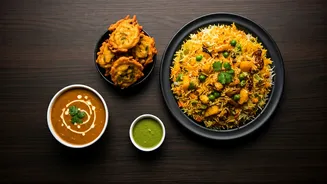
Kickstart your day with quick and easy Indian breakfast recipes. Start with Upma, a semolina-based dish, known for its versatility. Then comes the delicious
Poha, a flattened rice preparation with onion, turmeric, and spices. These recipes are highly adaptable, allowing you to customize them with vegetables and nuts. The ease of preparation makes them perfect for busy mornings. These breakfasts typically take less than 20 minutes to cook, providing a balanced and energetic start to your day. The simplicity of these recipes ensures you can enjoy a nutritious meal without sacrificing your valuable time. Upma and Poha are celebrated for their simplicity and taste.
Quick Lunchtime Solutions
Navigate your midday meal with a selection of quick lunch recipes. The first option is the versatile Egg Curry which brings together boiled eggs in a spiced tomato-onion gravy that's ready in under 30 minutes. Another great option is the humble Vegetable Frankie roll, offering a delightful mix of flavors and textures. Also you can opt for simple dal-chawal (lentils and rice) which constitutes a complete meal. These lunch choices can be tailored to meet your dietary preferences, allowing you to enjoy a flavorful and fulfilling lunch even when you're pressed for time. The adaptability of these dishes makes them ideal for both office lunches and quick meals at home, ensuring you never have to settle for boring food again. By incorporating these recipes into your routine, you can make your lunch breaks both easy and enjoyable.
Dinner Delights, Fast!
Transform your evening meal with these quick dinner recipes. You can prepare Chicken Tikka Masala in less than an hour, perfect for a satisfying dinner. For a vegetarian option, consider the Palak Paneer which is ready in a snap. For a quicker alternative, you can consider the simple and flavorful vegetable pulao, a one-pot rice dish with a medley of vegetables and spices. These dinner choices are designed to provide a wholesome and satisfying meal without requiring hours of preparation. The convenience of these recipes ensures that you can enjoy homemade Indian cuisine even on your busiest days. With these simple dinner options, you can treat your family to a delicious and nutritious meal without spending your entire evening in the kitchen.
Spice Level Adjustments
Master the art of controlling spice levels in Indian cooking. You can modulate the heat by controlling the amount of chili powder, green chilies, and other spices used in your dishes. For those who prefer a milder taste, it's best to add spices gradually, tasting as you go. For people who enjoy a spicier experience, you can increase the amount of chilies or use a hotter variety. In Indian cuisine, the type of chili and the way it is used affect the spice. When using whole chilies, you can adjust the heat by removing the seeds or using only a portion of the chili. When using chili powder, start with a small amount and adjust according to your preference. Understanding and controlling spice levels allows you to customize the flavors to your exact taste, making each dish perfect for you.
Ingredient Swaps & Hacks
Explore flexible ingredient swaps and cooking hacks for Indian recipes. If a particular spice is unavailable, consider using a similar spice to maintain the essential flavor profile. When fresh ingredients aren't available, explore the use of frozen or dried alternatives. For example, frozen vegetables can be used in curries and stir-fries, simplifying preparation without sacrificing taste. Another tip is using pre-made spice blends to save time and effort without compromising on the authentic flavor. The ingredient swaps are crucial for making recipes accessible and easy to prepare. These hacks empower you to adapt recipes to your needs and preferences, guaranteeing that even when life gets hectic, you can still enjoy delicious Indian meals.
Serving Suggestions & Sides
Elevate your Indian meals with complementary sides and serving suggestions. Consider pairing your main course with plain yogurt, offering a cooling contrast to the spice levels. Raita, a yogurt-based dip with vegetables or fruits, is another excellent option. Serving fresh, warm naan or roti is a traditional and delicious side that complements many Indian dishes. Plain rice or pulao serves as a neutral base that soaks up the flavorful curries. These sides will help enhance the overall dining experience. Carefully curated sides add layers of flavor, texture, and visual appeal to your meal. Presenting the meal in a well-planned way can elevate the dining experience. When pairing Indian meals, consider factors such as taste, consistency, and nutritional balance to make sure the meal is satisfying and balanced.