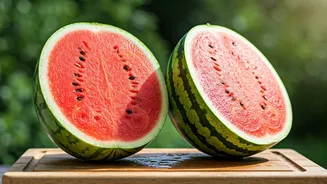







Appearance vs. Sweetness
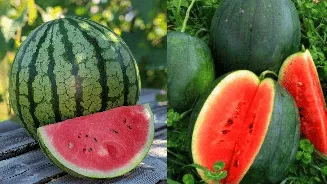
The visual distinction between striped and plain watermelons, while noticeable, doesn't definitively dictate sweetness. Both types are celebrated for their
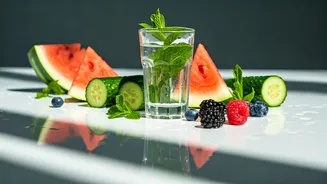
hydrating qualities and nutritional value, particularly during India's warm months. They are packed with water, typically comprising 90-95% of their composition, making them ideal for staying hydrated. Beyond hydration, watermelons are a good source of Vitamin A, Vitamin C, and potassium, which are crucial for maintaining good vision, supporting the immune system, and regulating blood pressure. Lycopene, a powerful antioxidant found in watermelons, also contributes to bodily protection against inflammation. Therefore, while the rind's pattern might catch your eye, it's the underlying qualities that truly matter for enjoying this beloved fruit.
Taste & Texture Insights
While the rind's pattern is a superficial characteristic, the internal flesh and sweetness can present subtle differences between watermelon varieties. Often, striped watermelons are perceived to have a more intense flavour, potentially due to a higher sugar concentration. In contrast, some solid green watermelons are celebrated for their exceptionally crisp and watery flesh, which is incredibly refreshing, especially on very humid days. However, it's important to note that individual fruit variation plays a significant role. Rather than relying solely on the stripe pattern, experienced shoppers often look for indicators like 'webbing' or 'sugar spots' on the rind, which are more reliable indicators of ripeness and sweetness.
Selecting the Ideal Melon
Mastering the art of watermelon selection involves paying attention to several key physical attributes. A prime watermelon will feel surprisingly heavy for its size, a clear sign that it's laden with juice. When inspecting the melon, look for a creamy, yellowish patch on one side – this is known as the 'field spot.' This mark indicates that the melon ripened naturally while resting on the ground, absorbing essential sugars. Furthermore, opt for a watermelon with a dull, matte finish on its rind rather than a conspicuously shiny one. An overly glossy exterior can sometimes suggest that the fruit was picked before it reached its peak ripeness and full sweetness.
Storage & Freshness Tips
The belief that one type of watermelon inherently stays fresh longer than another is largely a myth. Both striped and plain varieties generally share a similar shelf life. When kept whole and uncut in a cool, dry place away from direct sunlight, they can last for approximately two weeks. Once cut, however, their lifespan is considerably shorter; it's best to consume them within a week. To preserve optimal flavour and texture after slicing, it's crucial to wrap the cut melon tightly or store it in an airtight container. This prevents the flesh from absorbing any unwanted odours from other foods in the refrigerator, ensuring each piece remains as delightful as the first.