


Smart Mango Selection
The secret to longer-lasting mangoes begins even before you bring them home. Opt for fruits that are slightly raw or semi-ripe rather than those that are already
soft and fully mature. While fully ripe mangoes are tempting, they tend to perish rapidly under the intense summer sun, especially when stored at ambient temperatures. Semi-ripe varieties, on the other hand, possess a natural ability to mature gradually over several days, granting you a more extended window to enjoy their delightful flavor and texture without immediate concern for spoilage. This initial choice sets the stage for successful preservation.
Optimal Storage Environment
Heat and excessive moisture are the primary adversaries when it comes to preserving mangoes naturally. To combat this, identify the coolest spot in your home, ensuring it's far from direct sunlight, heat-generating appliances like gas stoves, and enclosed cabinets where air circulation is minimal. A well-ventilated area is crucial, as it helps to prevent the buildup of humidity, a common precursor to fungal growth and accelerated ripening. Providing adequate airflow around each mango is paramount for maintaining their freshness.
Avoid Stacking Tactics
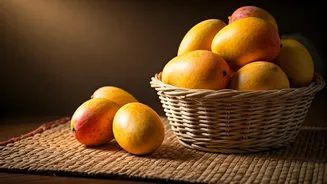
It's tempting to pile your mangoes together, but this practice significantly hastens their ripening process. When fruits are stacked, heat becomes trapped between them, creating a microclimate that encourages rapid maturation. Instead, aim to arrange your mangoes in a single layer. Utilize baskets, trays, or even newspaper-lined surfaces to give each fruit its own space. Gently turning the mangoes once daily can also promote even ripening, ensuring that the entire batch matures uniformly and maintains its quality.
The Grain Immersion Method
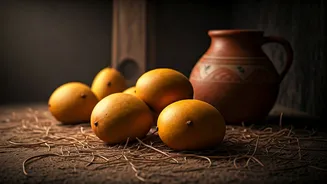
Embrace a cherished Indian tradition for storing mangoes without a refrigerator: the humble grain method. This time-tested technique involves burying the fruits in uncooked rice, wheat, or other dry grains. This ingenious approach works by naturally moderating moisture levels and promoting a slow, even ripening process. To implement this, take a sizable container, fill it halfway with your chosen grain, nestle the mangoes within without letting them touch, and then gently cover them with more grain. This method effectively contains the ethylene gas released by the mangoes, thus aiding in controlled ripening while shielding them from excessive heat.
Paper Over Plastic
When it comes to wrapping your mangoes, always favor paper over plastic. Plastic bags create a humid environment by trapping moisture and heat, which accelerates spoilage. Instead, individually wrap each mango in newspaper, brown paper, or tissue paper. This material acts as an absorbent, soaking up any excess moisture and also serves as a barrier, preventing a single spoiled mango from contaminating its neighbors. This simple step can make a significant difference in extending their freshness.
Separate Your Mangoes
It is essential to maintain a clear distinction between raw, semi-ripe, and fully ripe mangoes. Raw fruits release minimal ethylene gas, the natural plant hormone that triggers ripening. Conversely, ripe mangoes emit a considerably higher amount, which can rapidly accelerate the ripening process of any nearby fruits. By keeping these different stages separate, you prevent a chain reaction of overripening, allowing you to enjoy your mangoes at their peak for a longer duration.
The Pre-Storage Soak
A common and effective practice in many Indian households is to soak mangoes in ordinary water for a period ranging from 30 minutes to two hours before storing them. This traditional step is believed to serve multiple purposes. It helps to remove residual field heat, dirt, and any surface chemicals. Furthermore, some proponents suggest that this soaking process can reduce the mango's inherent tendency to generate heat, thereby contributing to a cooler and more stable fruit during storage.
Mindful Washing Habits
Be cautious with how often you wash your mangoes, as excessive moisture is a significant contributor to mould and rapid spoilage. It is best to wash mangoes only immediately before you intend to consume them. If your stored mangoes happen to gather dust, opt for a gentle wipe with a dry cloth rather than rinsing them under water repeatedly. This approach helps to preserve the delicate skin and prevent the introduction of unwanted moisture.