



Poila Baisakh Significance
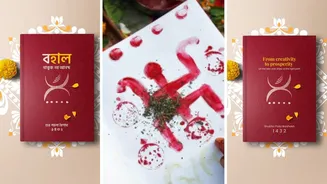
Poila Baisakh, observed on April 15, 2026, marks the commencement of the Bengali calendar and is a time for joyous celebrations across India, particularly
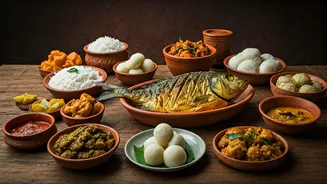
in West Bengal. Beyond the vibrant 'Mangal Shobhajatra' procession and the traditional 'Haal Khata' (opening of new business ledgers), the act of consuming fish, especially the prized Hilsa or 'Ilish mach', holds deep cultural meaning. It is widely regarded as a potent symbol of fertility, prosperity, and abundance. Embracing the spirit of indulgence during this festival is also believed to usher in a year filled with good fortune. Therefore, preparing and sharing a dish like Doi Ilish is considered an especially auspicious way to begin the Bengali New Year, setting a positive tone for the twelve months ahead.
Doi Ilish Preparation
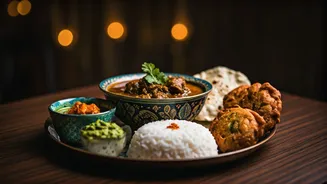
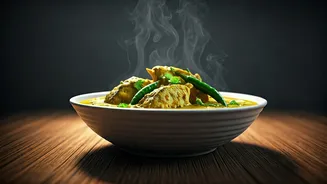
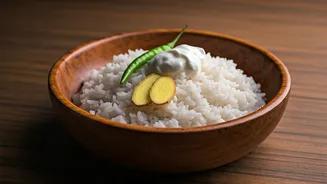
To create this auspicious Doi Ilish, begin by thoroughly rinsing four pieces of Hilsa fish. In a large bowl, vigorously whisk 200 grams of plain curd until it achieves a smooth consistency. Next, incorporate six tablespoons of mustard oil, two teaspoons of sugar, one teaspoon of turmeric powder, one teaspoon of red chili powder, and one teaspoon of salt (adjust to your preference). Mix these ingredients thoroughly, then add two cups of water to achieve the desired marinade consistency. Submerge the Hilsa fish pieces in this yogurt mixture, ensuring each piece is well-coated. Cover the bowl and allow the fish to marinate for a minimum of 30 minutes. While the fish marinates, prepare a seasoning mix with the remaining turmeric powder, red chili powder, salt, and four slit green chilies. Heat a deep pan, add a quarter cup of water, and bring it to a boil. Pour the yogurt marinade into the boiling water and stir well. Carefully place the marinated fish pieces into the pan. Cover the pan and cook on medium heat for approximately 15 minutes. After this initial cooking period, gently flip the fish pieces and continue to cook until the gravy thickens to your liking. Serve this delectable Doi Ilish piping hot, ideally accompanied by plain steamed rice or a fragrant Basanti pulao for a complete Bengali culinary experience.