


Welcoming the New Year
Pohela Boishakh, the vibrant Bengali New Year, arrives on April 15, 2026, marking a time of fresh starts and joyous cultural celebrations across Bengal and its
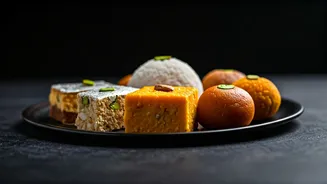
diaspora. This significant day ushers in the Bangla calendar with traditional customs, festive attire, and heartwarming exchanges of good wishes, often symbolized by the sharing of 'mishti' – sweet delicacies that represent auspiciousness and joy. These traditional Bengali sweets are integral to the Pohela Boishakh feast, often served alongside savory dishes like panta bhat and ilish maach, creating an authentic culinary experience that embodies prosperity and renewal. Preparing these homemade sweets adds a personal touch to the festivities, making them a cherished part of any Bengali New Year recipe collection.
Spongy Rosogolla Delight
Rosogolla stands as a quintessential Bengali sweet, celebrated for its airy, melt-in-your-mouth texture. These delicate spheres, crafted from fresh paneer (chhena) and bathed in a sweet sugar syrup, are a must-have for any Pohela Boishakh spread. To create this classic treat, you'll need about 2 liters of full-cream milk, curdled with 2 tablespoons of lemon juice. After straining and rinsing the chhena, knead it until exceptionally smooth for about 5-6 minutes. Roll this dough into small, crack-free balls. Meanwhile, prepare a sugar syrup by boiling 1 cup of sugar with 5 cups of water and 3 crushed cardamom pods. Gently add the chhena balls to the boiling syrup, cover the pot, and cook for approximately 10 minutes, allowing them to swell and double in size. Once cooked, let them cool within the syrup and then chill for the best taste. These juicy Rosogollas are sure to add authentic Bengali sweetness to your festive table.
Delicate Sandesh Fudge
Sandesh, a refined fudge-like confection, is another jewel in the crown of Bengali sweets, particularly cherished for Pohela Boishakh. Made primarily from chhena and subtly flavored with cardamom, its soft, crumbly texture and gentle sweetness make it a beloved item, often found in Kolkata's famed sweet shops. Making Sandesh at home is quite straightforward. You'll require approximately 500g of chhena, which can be prepared from about 3.5 cups of milk. Combine this chhena with 2.5 tablespoons of powdered sugar, 1/4 teaspoon of cardamom powder, and 1 tablespoon of almond powder, kneading until the mixture is smooth. Gently heat this blend in a non-stick pan, stirring continuously until it thickens to a fudgy consistency. Allow it to cool slightly before shaping it into small flat discs or balls. Garnish with chopped nuts for an added touch of elegance. Chill thoroughly before serving this timeless Sandesh, which effortlessly elevates your mishti collection.
Caramelized Mishti Doi
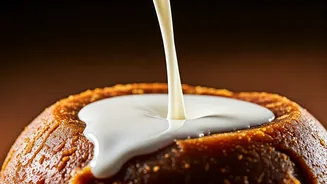
Mishti Doi, the iconic sweet yogurt of Bengal, offers a wonderfully creamy and tangy flavor profile, enhanced by the warm, caramelized notes of jaggery. It's an indispensable dessert for Pohela Boishakh celebrations, renowned for its delightful taste and probiotic benefits. To prepare this treat, start by simmering 1 liter of full-fat milk until it reduces by half, concentrating its richness. Stir in 175g of grated palm jaggery (or sugar) and 1/2 teaspoon of cardamom powder. Let the mixture cool to a lukewarm temperature before whisking in 2 tablespoons of active curd, which acts as the starter culture. Pour this sweetened milk mixture into traditional earthen pots, cover them, and allow them to ferment overnight in a warm place. Alternatively, you can steam them for about 15-20 minutes. Once set, chill the Mishti Doi thoroughly before serving this delectable fermented delight.
Rich Chomchom Indulgence
Chomchom is a sumptuously rich Bengali sweet, characterized by its elongated, log-like shape and its soaking in a thick sugar syrup, often filled with sweetened khoya. This indulgent confection is a popular choice for festive occasions like Pohela Boishakh, offering a uniquely satisfying bite. The preparation begins with chhena, made from 1 liter of milk, which is then kneaded with 1/2 tablespoon of semolina and a pinch of baking powder. Shape this mixture into distinct cylindrical forms. These dumplings are then cooked in a sugar syrup, made from 1 cup of sugar and 3 cups of water, for about 10 minutes until they plump up considerably. After cooling, each Chomchom is carefully slit open and filled with a rich, sweetened khoya mixture. A final touch of decoration with cherries adds to its visual appeal. Chomchom truly enhances your sweet repertoire with its luxurious layers.
Deep-Fried Kalojam
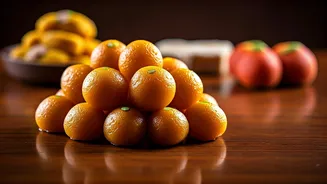
Kalojam presents a delightful contrast with its deep-fried exterior and syrupy interior. These dark, rich balls are made from khoya, coated in mawa, and then steeped in a fragrant syrup, making them a perfect addition to the list of famous Bengali sweets for Pohela Boishakh. Their distinctive reddish-brown hue also adds a festive flair to any celebration. To make Kalojam, combine 1 cup of powdered milk, 2.5 tablespoons of flour, 1 tablespoon of semolina, and 1/4 teaspoon of baking powder with a little ghee and milk to form a pliable dough; a touch of red food coloring can be added. Shape this dough into small round balls. Fry these balls on low heat until they achieve a deep golden-brown color. Immediately soak these fried delights in a warm cardamom-infused sugar syrup for about an hour. Once cooled, roll them in grated mawa for a final, exquisite finish. These Kalojam promise a crunchy yet syrupy sweet finale.