
The Foundation: Roasting Rava
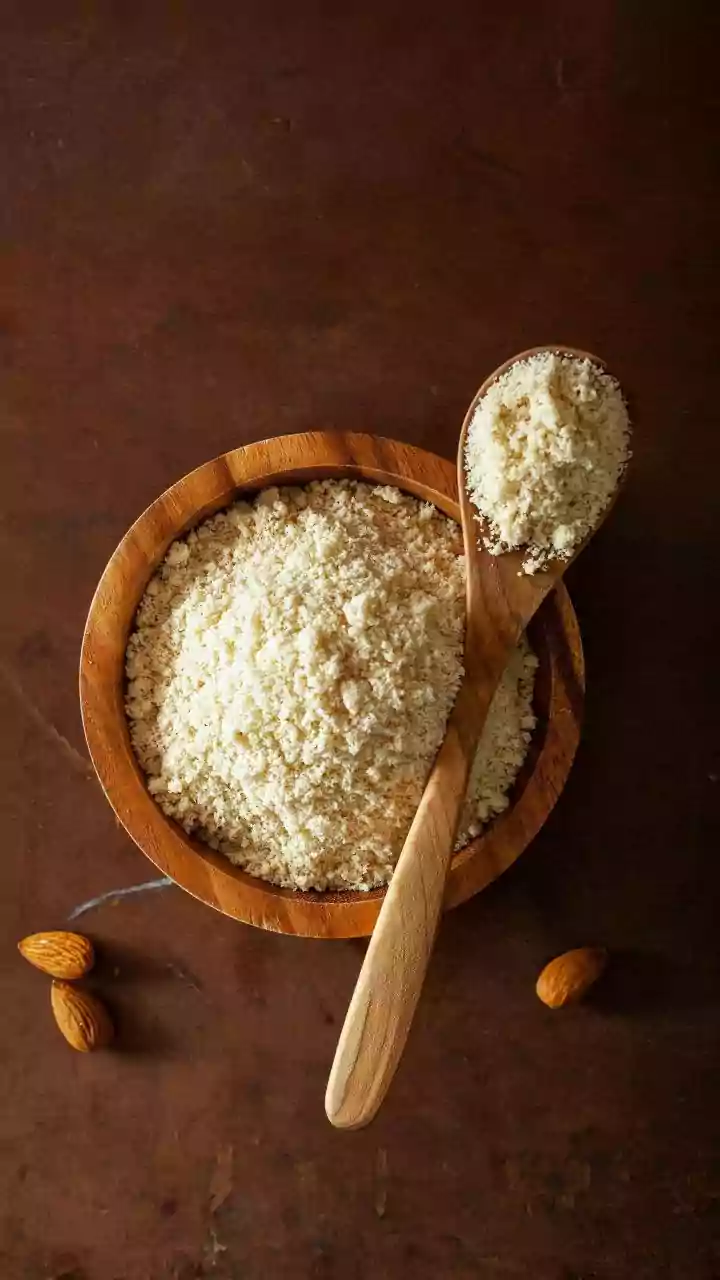
The key to non-sticky upma lies in the initial preparation of the semolina, or rava. Begin by taking one cup of fine semolina, ideally Bombay rava for
its texture. Place it in a dry pan over medium heat and roast it continuously for approximately 4 to 5 minutes. The goal is to make the rava aromatic and achieve a light golden hue without scorching it. This crucial step ensures that each grain is properly dried and slightly puffed, which is vital for preventing it from clumping together later when cooked with liquid. Once roasted to perfection, remove the rava from the pan and set it aside to cool down completely. This thorough roasting process is the first and perhaps most important trick to achieving that desirable fluffy consistency and preventing a sticky mess.
Building Flavor: The Tempering
After preparing the rava, the next step is to build the foundational flavors of your upma through a technique called tempering, or 'tadka'. In the same pan used for roasting the rava, heat two tablespoons of ghee or oil until it shimmers. Start by adding half a teaspoon of mustard seeds and let them splutter; this releases their pungent aroma. Next, add half a teaspoon of cumin seeds (if desired for an extra earthy note), one teaspoon of urad dal, and one and a half teaspoons of chana dal. Sauté these ingredients on low heat for about a minute until the dals turn a beautiful golden brown. This process crisps up the lentils and adds a delightful crunch to the final dish. Following this, stir in a pinch of asafoetida (hing), one or two slit green chilies, half an inch of finely chopped ginger, and a sprig of fresh curry leaves. Also add your chosen nuts, like 8-12 split cashews or peanuts, and fry until golden. Finally, introduce one small, finely chopped onion and sauté until it becomes translucent, which usually takes about two minutes. If you're incorporating optional vegetables like finely chopped carrots or peas, you can stir-fry them briefly at this stage to give them a head start on softening.
Cooking Up Perfection: The Liquid Ratio
With the flavorful tempering ready, it's time to introduce the liquid element that will cook the rava and transform it into upma. Carefully pour two to two and a half cups of water into the pan. The precise amount of water is critical for achieving the right consistency – starting with two cups yields a firmer upma, while two and a half cups result in a softer texture. For optimal fluffiness and to avoid stickiness, ensure the water is boiling hot when added; this rapid heat is instrumental in separating the rava grains. Season the water with salt to taste, which is typically around three-quarters of a teaspoon, and add half a teaspoon of sugar if you wish to balance the flavors. Bring this mixture to a rolling boil, ensuring the water tastes slightly salty as this seasoning will be absorbed by the rava. This precisely measured, boiling water is the second cornerstone of a non-sticky upma.
The Gentle Stir: Avoiding Lumps
As the water reaches a vigorous boil, it's time to introduce the roasted rava and prevent any formation of lumps. Reduce the flame to its minimum setting to ensure gentle cooking. With one hand, begin to sprinkle the roasted rava in a steady, continuous stream into the boiling water. Simultaneously, with your other hand, stir the mixture vigorously and continuously, much like whisking a batter. This dynamic action of sprinkling and stirring is paramount to ensuring that the rava disperses evenly and cooks without clumping into sticky masses. Continue this process for about one to two minutes, stirring constantly, until the upma begins to thicken and the water is mostly absorbed. This rapid yet gentle incorporation is the third essential technique for achieving a fluffy, lump-free outcome.
Steaming to Fluffiness
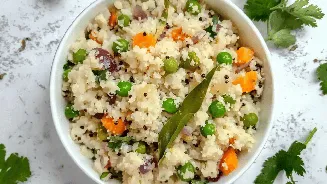
Once the upma has thickened and absorbed most of the liquid, the final stage of cooking involves a gentle steaming process that allows the rava to fully cook and separate, enhancing its fluffy texture. Cover the pan with a tight-fitting lid to trap the steam effectively. Immediately switch off the heat. Allow the upma to rest and steam, covered, for a period of three to five minutes. This resting phase is crucial; it allows the rava grains to cook completely through the residual heat and steam, resulting in a wonderfully fluffy and distinct grain structure. When you uncover the pan, you'll notice the upma has achieved a perfect consistency. To finish, drizzle the juice of half a lemon over the upma, add an additional teaspoon of ghee for richness and gloss, and then gently fluff it with a fork. Finally, mix in two tablespoons of freshly chopped coriander leaves for a burst of freshness and color before serving hot.