




Spice Sequencing Secrets
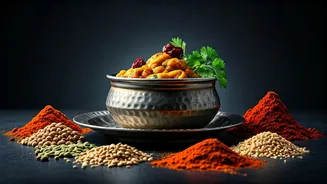
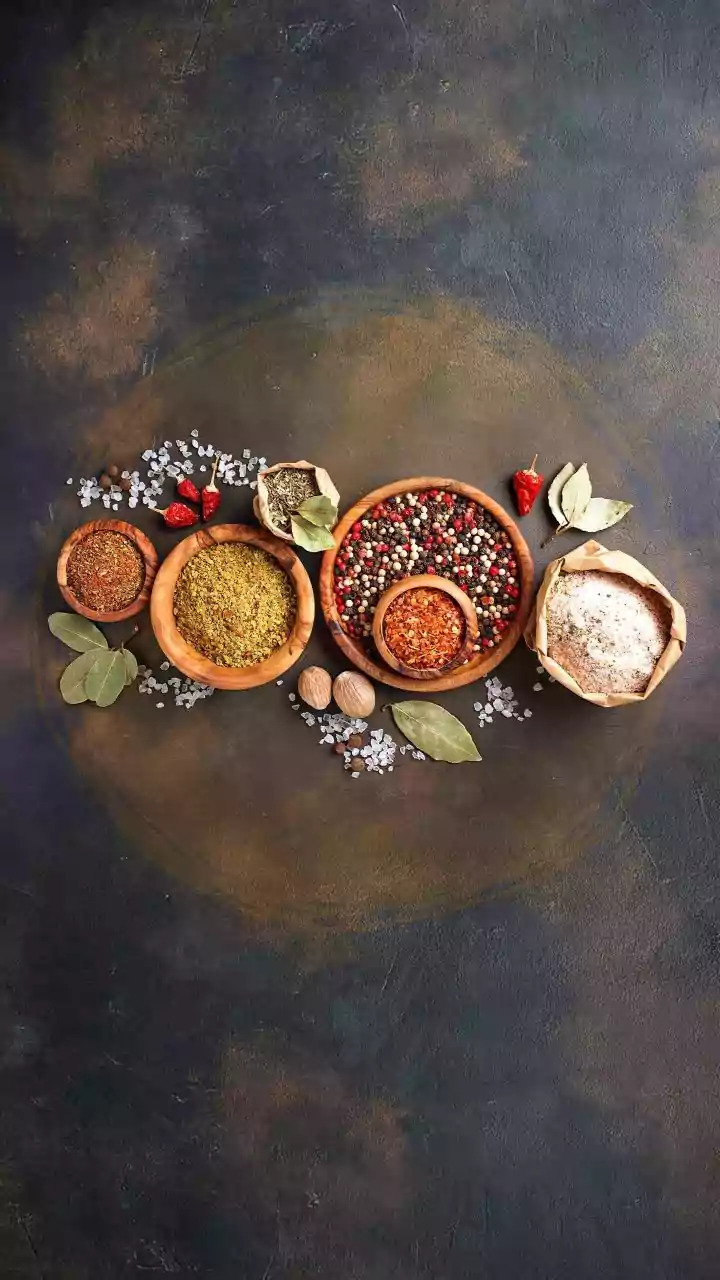
The order in which you add spices is a critical factor in achieving deep, layered Indian flavors. Whole spices benefit from blooming in hot oil to release
their aromatic oils before other ingredients are introduced, creating a foundation of flavor. Ground spices, conversely, require slow cooking after onions and tomatoes have softened to prevent them from becoming bitter and to allow their nuances to meld into the dish. Introducing wet ingredients like tomatoes at the right stage helps bind these flavors together. A structured approach, with whole spices first, ground spices after aromatics are cooked, and garam masala added towards the end, prevents a muddled taste and unlocks complexity.
Mastering Onion Browning
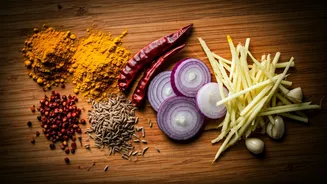
Onions form the savory base for many Indian curries, and their transformation from raw to deeply caramelized is essential for a rich flavor profile. Simply softening them isn't sufficient; the goal is to achieve a sweet, complex taste through proper browning. Inadequate caramelization will leave your dish with a raw, sharp undertone. Investing time in slowly cooking onions until they develop a rich, golden-brown hue ensures a foundation that is both sweet and savory, significantly enhancing the overall character of your Indian cooking.
Ginger-Garlic Nuances
Ginger-garlic paste offers an incredible aromatic depth to Indian dishes, but it is exceptionally prone to burning due to its intense flavor and sensitivity to heat. Overcooking or using high heat will quickly render it bitter and overpoweringly pungent. The solution lies in maintaining a medium to low heat while stirring continuously. Cook the paste just until its raw aroma dissipates, typically for about 30 to 60 seconds, before immediately adding tomatoes or a splash of water to halt the cooking process. This careful handling preserves its delicate fragrance without introducing bitterness.
The Essential Masala Cookdown
The instruction to 'cook until the oil separates' from the masala might seem tedious, but it is a non-negotiable step for achieving authentic Indian flavors. This visual cue signifies that the moisture content has significantly reduced, allowing the spices and aromatics to fully integrate and deepen their flavor profile. When the oil begins to separate from the cooked masala, it means the paste has reached its peak flavor development and is ready to form a cohesive, robust base for your dish. This stage is crucial for preventing a watery or undercooked taste.
Strategic Salting Techniques
Salt is far more than a simple seasoning; it acts as a vital flavor enhancer that should be incorporated throughout the cooking process. Adding salt in stages allows it to amplify the inherent flavors of each ingredient as it cooks, rather than just sitting on the surface of the final dish. A recommended approach involves a pinch of salt after onions begin to soften, another adjustment once tomatoes are cooked down, and a final taste test before serving. This progressive salting builds layers of savory depth, ensuring the entire dish is seasoned harmoniously, resulting in a more profound and satisfying taste experience.