





Cooking's Protein Impact
The journey of protein from your plate to your body is more complex than just consumption; it's heavily influenced by how you prepare your food. While
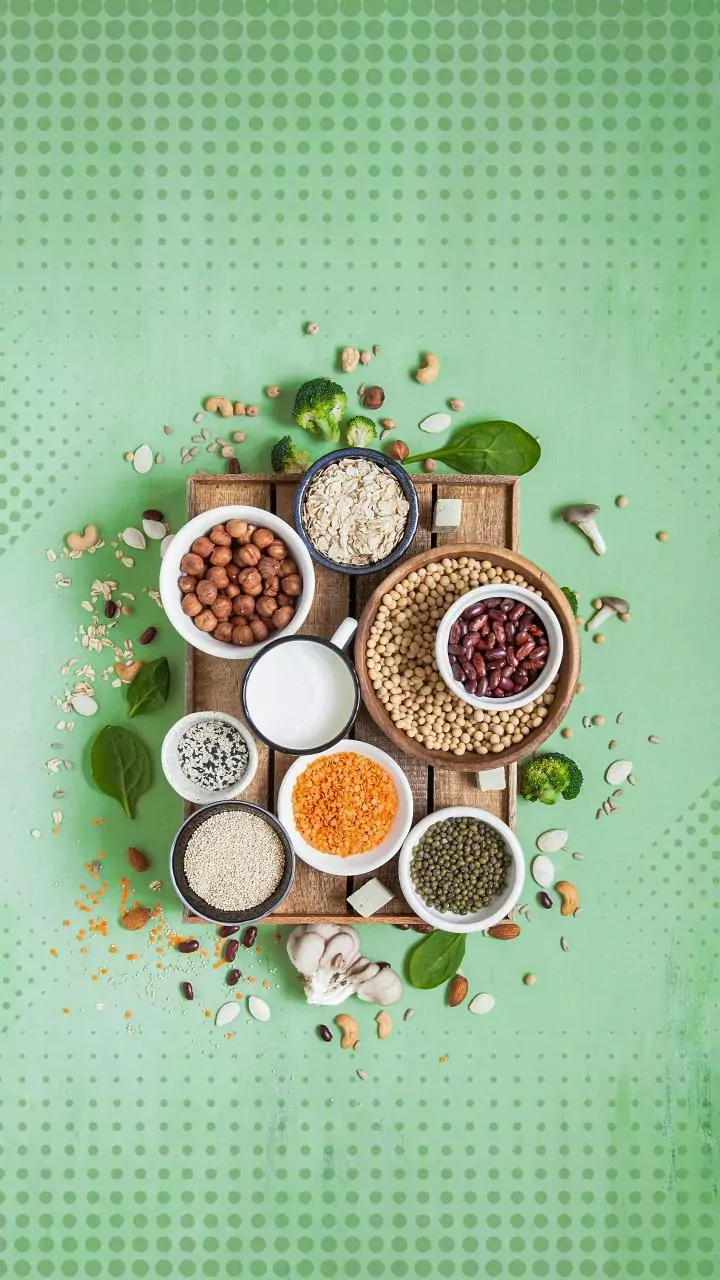
many focus on increasing protein-rich ingredients, the true key to unlocking their benefits lies in the cooking process. Methods like boiling, sprouting, and frying can dramatically alter how effectively your body digests and utilizes the nutrients present. Foods commonly found in Indian kitchens, such as chickpeas, kidney beans (rajma), and green gram, offer valuable protein, but their nutritional outcomes vary greatly depending on their preparation. Understanding these nuances allows for significant improvements in dietary effectiveness and overall health, ensuring that your efforts to eat well translate into tangible benefits without requiring a complete overhaul of your grocery list or meal plans. Simple shifts in your culinary approach can empower your body to absorb more protein, fostering better digestion, sustained energy, and enhanced well-being through daily meals.
Chickpeas and Rajma Wisdom
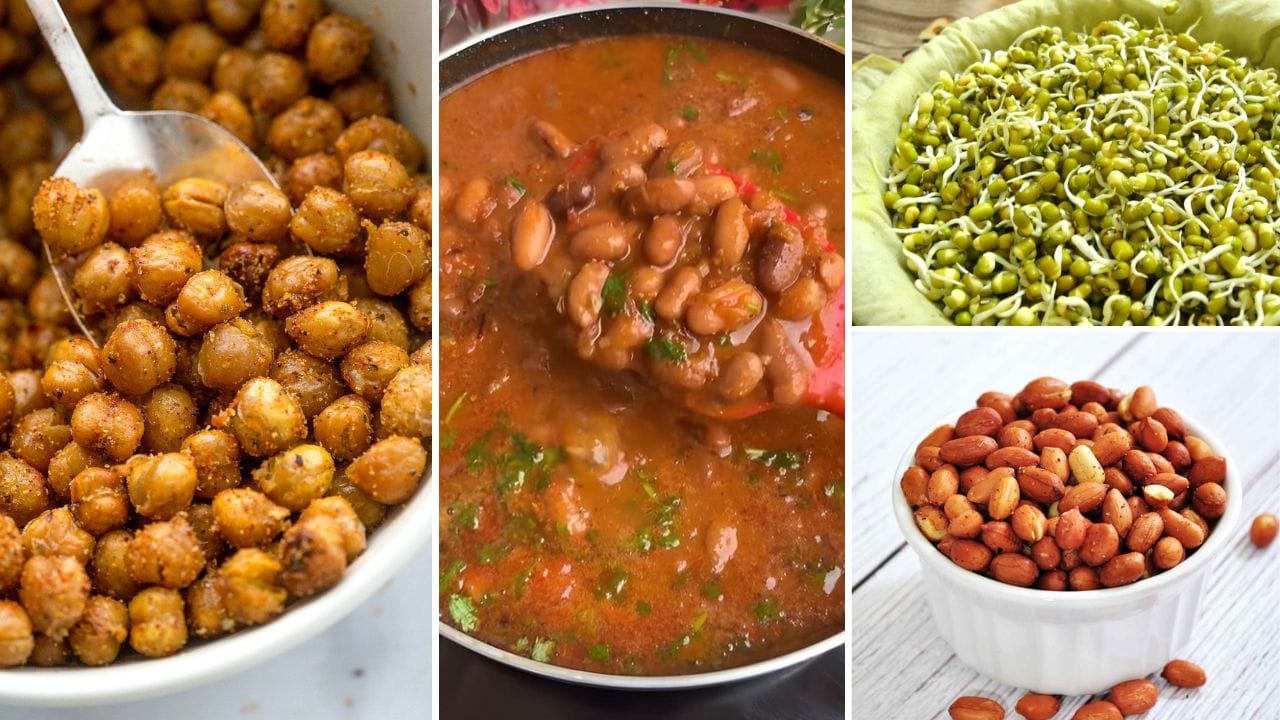
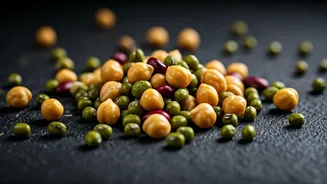
When it comes to chickpeas, while sprouting makes them lighter, it might not agree with everyone and could lead to digestive discomfort. Boiling, however, emerges as the most consistent and effective method, softening their texture and ensuring a gentler digestive experience and superior nutrient uptake. Steer clear of frying chickpeas, as this adds unhealthy fats and diminishes their inherent nutritional value. Rajma, on the other hand, necessitates careful cooking to be safe and easily digestible. Sprouting isn't the ideal path for rajma; it can leave certain compounds intact, potentially causing unease. Thorough boiling is crucial for breaking down these elements, rendering the beans safer to consume and much easier for your system to process. Fried rajma is often heavy, leading to sluggish digestion and undermining its role as a beneficial protein source.
Green Gram's Versatility
Green gram shines as a highly adaptable legume for nutritional benefit. Prepared as sprouts, it becomes exceptionally light and easy to digest, actively promoting better nutrient utilization, making it a favored option for many seeking an easily digestible protein. Boiling green gram is also a viable and beneficial method, although it might result in a slight decrease in some of its finer nutritional advantages compared to sprouting. Frying green gram offers minimal health advantages and is generally not recommended when the primary objective is to achieve balanced and optimal nutrition. This makes sprouted green gram a standout choice for those prioritizing digestibility and nutrient absorption in their protein intake.
Nuts and Other Legumes
Peanuts are most enjoyable and digestible when they are roasted. This preparation enhances their natural flavors while ensuring they remain manageable for digestion. Consuming them with excessive oil or through frying can render them heavy and significantly reduce their health benefits, particularly if eaten frequently. For black chana, both boiling and sprouting are excellent preparation methods. They aid in digestion and allow your body to absorb the protein more effectively. Frying, however, tends to make black chana dense and difficult for the digestive system to process. Soybeans and horse gram, two other important legumes, greatly benefit from boiling. This process softens their dense structures, making them more digestible and easier for the body to derive nutrients from, ensuring they remain both nutritious and gentle on the stomach.