







The Sweet Ascent
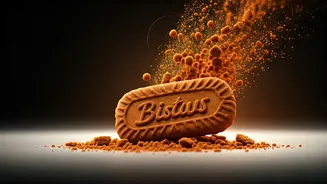
Originally crafted in 1932 by Belgian baker Jan Boone Sr., the caramelised biscuit, named Lotus after the pure symbol of the flower, has undergone a remarkable
transformation. Produced for nearly a century in Lembeke, Belgium, this simple yet delicious treat has found an unexpected new lease on life, captivating a global audience and earning the designation of a "Gen Z obsession." Its journey from a humble accompaniment to coffee or an airline snack to a pervasive presence across social media feeds is a testament to its enduring appeal and adaptability in the digital age. The biscuit's inherent qualities, combined with its ability to be reinvented through various culinary applications, have propelled it to unprecedented levels of popularity, turning a once-familiar item into an internet fixation.
Viral Recipe Phenomenon
The resurgence of Biscoff's popularity is largely attributed to a string of viral recipes that have flooded social media platforms. A particularly noteworthy trend is the deceptively simple two-ingredient Japanese cheesecake, which masterfully combines Greek yogurt with crushed Biscoff biscuits. This innovative dessert has gained immense traction for its ease of preparation, offering a no-bake alternative to traditional cheesecakes. Beyond this, Instagram and TikTok are awash with creative content showcasing Biscoff transformed into delectable spreads, indulgent milkshakes, and even wholesome baked oats. While purists may still savour the biscuit in its original form, these digital adaptations have propelled Biscoff into a new era of culinary stardom, demonstrating its remarkable versatility and widespread appeal to a digitally-savvy audience.
The Social Media Cycle
Biscoff's ascent to internet fame isn't a new phenomenon but rather a cyclical event, with the biscuit repeatedly returning to the spotlight in new and exciting ways. Its journey has seen it evolve from being dubbed "crack in a jar" in 2014 for its spreadable form, to being incorporated into the "freakshake" trend in 2016. The COVID-19 pandemic and the subsequent home-baking boom in 2021 further amplified its presence across social media. Most recently, the 2026 Japanese cheesecake trend saw creators ingeniously soaking Biscoff biscuits in Greek yogurt overnight to achieve a soft, cheesecake-like consistency. This accessible and satisfying method quickly went viral, transforming passive viewers into active participants and reinforcing its status as a beloved online food cult. The brand itself contributes little to this viral marketing; instead, the widespread appeal and visual charm of Biscoff-based content empower creators to garner significant engagement, perpetuating a continuous cycle of trends and fan-driven innovation.
Versatility and Impact
The enduring appeal of Biscoff lies significantly in its remarkable versatility, allowing it to be seamlessly integrated into a vast array of culinary creations. The official Lotus website itself offers an extensive collection of recipes, highlighting its adaptability for numerous dishes. Notably, it demonstrates how the biscuit can be incorporated into traditional Indian sweets like Biscoff ladoo and Biscoff doodh peda, showcasing its broad cultural integration. This adaptability makes Biscoff an ideal ingredient for content creators, as it is not only fun and easy to work with but also generates highly shareable and visually engaging material. The brand's remarkable sales growth, with a reported 10% revenue increase in 2025 largely driven by Biscoff products, underscores the tangible impact of its social media virality. Biscoff has successfully transitioned from a simple biscuit to a symbol of internet food culture, demonstrating the power of online communities to shape consumer trends and drive commercial success.