






Celebrating Lohri Traditions
Lohri, traditionally celebrated on the eve of Makar Sankranti, is a time of immense cultural significance in Punjab. The festival marks the end of winter
and the beginning of longer days. Central to Lohri celebrations is the bonfire, around which people gather, sing folk songs, and perform traditional dances. The bonfire symbolizes the burning of the old year and welcoming the new, fostering a sense of community. The festival is a celebration of the harvest season, with special prayers offered to the fire god, Agni. Along with the bonfire, the exchange of greetings and the sharing of food are integral aspects of the celebrations. Families and friends come together, making it a time for strengthening bonds and spreading joy. Traditionally, Lohri is observed with great enthusiasm and fervor, and it is a reminder of the rich cultural heritage and values of Punjab.
Sarson da Saag
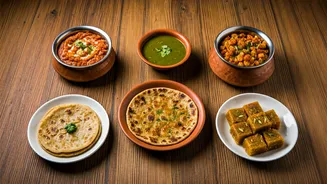
Sarson da Saag, or mustard greens, is a quintessential dish during Lohri, representing the flavors of winter. To prepare this dish, mustard greens are washed meticulously and then finely chopped. They are cooked with spinach, spices, and a generous amount of ginger-garlic paste for enhanced flavor. The mixture simmers until the greens become tender. The final touch involves a tempering of ghee, onions, and red chilies, adding an aromatic depth to the dish. Sarson da Saag is traditionally served with makki di roti (cornmeal flatbread) and a dollop of fresh white butter. The creamy texture of the saag and the coarse consistency of the roti create a balanced and fulfilling meal. This dish is not just a culinary delight but also a symbol of the rural Punjab, representing the region's agricultural richness and the warmth of community gatherings.
Makki di Roti
Makki di Roti, or cornmeal flatbread, is the perfect accompaniment to Sarson da Saag. Preparing this unleavened flatbread requires skill and patience. Cornmeal flour is kneaded with warm water to form a soft dough, and the dough is then hand-patted or flattened on a griddle. Cornmeal, lacking gluten, makes it challenging to roll out, and the process therefore demands careful handling to prevent breakage. The roti is cooked on a griddle until golden brown and slightly puffed up. Its rustic texture and earthy flavor make it a perfect complement to the rich and savory Sarson da Saag. It is an essential part of the Lohri feast, representing the agrarian culture and the simplicity of home-cooked meals. When enjoyed together, the slightly bitter flavor of the greens is perfectly balanced by the earthy, wholesome roti, creating a memorable dining experience.
Gajak and Rewari
Gajak and Rewari, the classic winter sweets, are a staple during Lohri celebrations. Gajak is made from sesame seeds and jaggery or sugar, resulting in a crispy and chewy treat. Sesame seeds are roasted until they turn golden, then mixed with melted jaggery or sugar and shaped into thin patties or bars. Rewari, similar in composition, often includes a flaky texture and a delicate, sweet flavor. Both sweets are packed with nutrients and are known for their warming properties, which make them ideal for the cold winter season. They're often shared amongst the community and given as gifts during Lohri, symbolizing the sweetness of the season and the bond of friendship and family. These sweets are not just tasty; they also represent a part of the Punjabi tradition, connecting people through the shared celebration and memories that they evoke.
Pinni Laddus
Pinni Laddus are rich, energy-dense balls made primarily with wheat flour, ghee, and nuts. This traditional sweet is prepared by roasting wheat flour with ghee until it turns golden brown and releases a nutty aroma. Dry fruits like almonds, cashews, and raisins are added, along with a sweetener like jaggery or sugar. The mixture is then formed into round laddus. Pinni Laddus are particularly popular in the winter months due to their warming and nutritious properties. They are not only a delicious treat but also an important energy source during the colder days. These laddus are an essential part of the Lohri celebrations, serving as a token of love and good wishes, and are often prepared and shared among family members and friends. The blend of flavors and textures, with the satisfying crunch of nuts, makes it a favorite sweet, especially during the festive season.
Gur ka Chawal
Gur ka Chawal, or jaggery rice, is a simple yet flavorful sweet dish perfect for Lohri. Basmati rice is cooked with jaggery, cardamom, and ghee, resulting in a slightly sticky and aromatic pudding. The jaggery lends a rich, caramel-like sweetness, while cardamom adds a delicate fragrance. The rice is slowly cooked until it absorbs the jaggery syrup and the flavors meld together. Dry fruits like almonds and raisins are often added for extra texture and taste. Gur ka Chawal is a warming and comforting dish, often served at the end of a Lohri meal, symbolizing the sweet endings and new beginnings. It provides a fulfilling conclusion to the festivities and is an easy-to-make dessert that perfectly complements the other rich dishes. This dessert captures the essence of Lohri’s spirit with its warmth and sweet offerings.