


Uncouple the Bunch
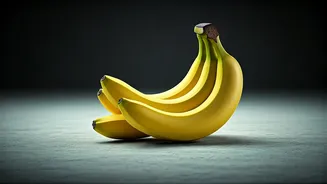
Bananas naturally emit ethylene gas, a ripening agent that accelerates spoilage when they're clustered together. During the intense heat of an Indian summer,
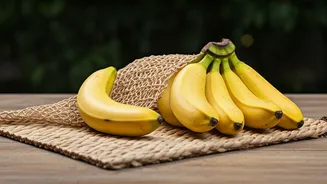
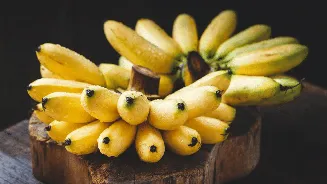
this effect is amplified, causing rapid overripening. To combat this, a simple yet highly effective strategy is to gently separate each banana from the main bunch as soon as you bring them home. This individual isolation significantly slows down the collective gas release. For smaller households or those who prefer their bananas to last longer, this initial step can add a substantial 3-4 days to their usable lifespan, especially crucial when temperatures are consistently high and refrigeration isn't an option.
Seal the Stems
The primary source of the ethylene gas that leads to banana ripening is concentrated at their stems. By strategically sealing these stem ends, you can effectively trap the gas and curtail its release. This can be achieved using common household items like cling film, aluminium foil, or even a damp kitchen towel secured tightly with a rubber band. This simple act of containment plays a vital role in maintaining the bananas' vibrant yellow hue for an extended period, typically adding an extra 4-5 days of freshness without requiring any refrigeration. It's a practical solution for prolonging the enjoyment of this potassium-rich fruit.
Embrace Airflow
Contrary to popular belief, leaving bananas to lie flat in a bowl or on a counter can be detrimental, particularly in humid Indian summers. This resting position can lead to bruising, moisture accumulation, and pressure points that hasten decay. A much more beneficial approach is to suspend your bananas. Utilizing a hook, a piece of string, or a dedicated banana hanger allows for optimal air circulation around the fruit. This free-flowing air prevents ethylene gas from concentrating in one area and reduces the likelihood of developing soft spots, thereby significantly extending their shelf life and maintaining better quality.
Strategic Placement
The location where you store your bananas can make a significant difference in their longevity, especially during hot weather. Avoid placing them near heat sources like stoves or in direct sunlight from windows, as these areas intensify the ripening process. Instead, opt for a cool, dark spot, ideally one that maintains a temperature between 12-15°C if possible. A shaded cupboard, a pantry, or a less-used corner away from direct sunlight is perfect. This careful selection of storage space helps prevent the development of unsightly and spoilage-indicating black spots that are common when bananas are exposed to excessive heat.
Isolate Other Produce
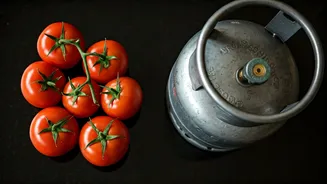
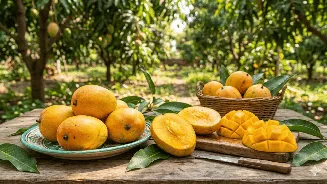
Bananas are not the only fruits that release ethylene gas; others like apples, mangoes, and even tomatoes emit this ripening compound. When stored in close proximity to bananas, these other fruits can accelerate the spoilage of your bananas. In a typical Indian household where fruit bowls are common and often contain a variety of produce, it's essential to create a separation. Dedicate a specific hook, shelf, or area exclusively for your bananas, keeping them apart from other ethylene-producing fruits. This simple isolation technique is a powerful tool for preserving the quality and extending the freshness of your bananas.
Buy and Monitor Wisely
The way you purchase and observe your bananas plays a crucial role in their preservation. When selecting a bunch, look for those with green tips, which indicate a slower ripening process, allowing you to enjoy them over a longer period. It's also important to adopt a habit of daily inspection. Regularly check your bananas for any signs of overripening. Promptly removing any bananas that are becoming too soft or developing extensive bruising will prevent them from negatively impacting the rest of the bunch. This proactive daily check ensures that you maximise the longevity of your bananas in a fridge-free environment.