

A Humble Noodle's Ascent
A recent formal banquet at Rashtrapati Bhavan showcased a surprising culinary star: Sundarkala, a handmade noodle originating from the Garhwal region of
Uttarakhand. This event, curated by chef Prateek Sadhu, deliberately embraced the distinct flavors of Himalayan cuisines, foods born out of necessity, resourcefulness, and daily routines rather than opulence. Sundarkala's presence on the menu was notable not for its exoticism, but for its profound ordinariness. It represented food from cold mornings, crafted by patient hands in shared kitchens, now presented with understated elegance, yet retaining its fundamental essence. This quiet confidence and inherent value make Sundarkala a dish worthy of thoughtful appreciation, marking a moment where conventional notions of 'prestige food' were subtly redefined by a deeply rooted, everyday culinary tradition.
Crafting Pahadi Pasta
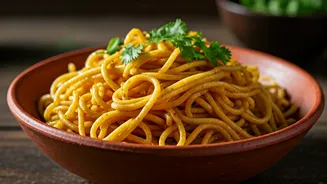
Often referred to informally as 'Pahadi noodles' or 'Garhwali pasta,' Sundarkala defies easy categorization and boasts a unique preparation method. It is a hand-rolled noodle traditionally made in various parts of the Garhwal region, particularly in villages like Chamoli. The absence of machines or molds means each strand is meticulously shaped by hand, employing a thumb-and-palm technique. This process results in noodles that are characteristically thicker, exhibiting an appealing unevenness and a distinctly rustic texture. Historically, Sundarkala was a staple during the harsh winter months, providing a filling and warming meal that was both practical and energy-rich when fresh produce was scarce and physical demands were high. Its creation is a testament to the ingenuity and resourcefulness of mountain communities.
Mountain Ingredients, Rustic Flavors
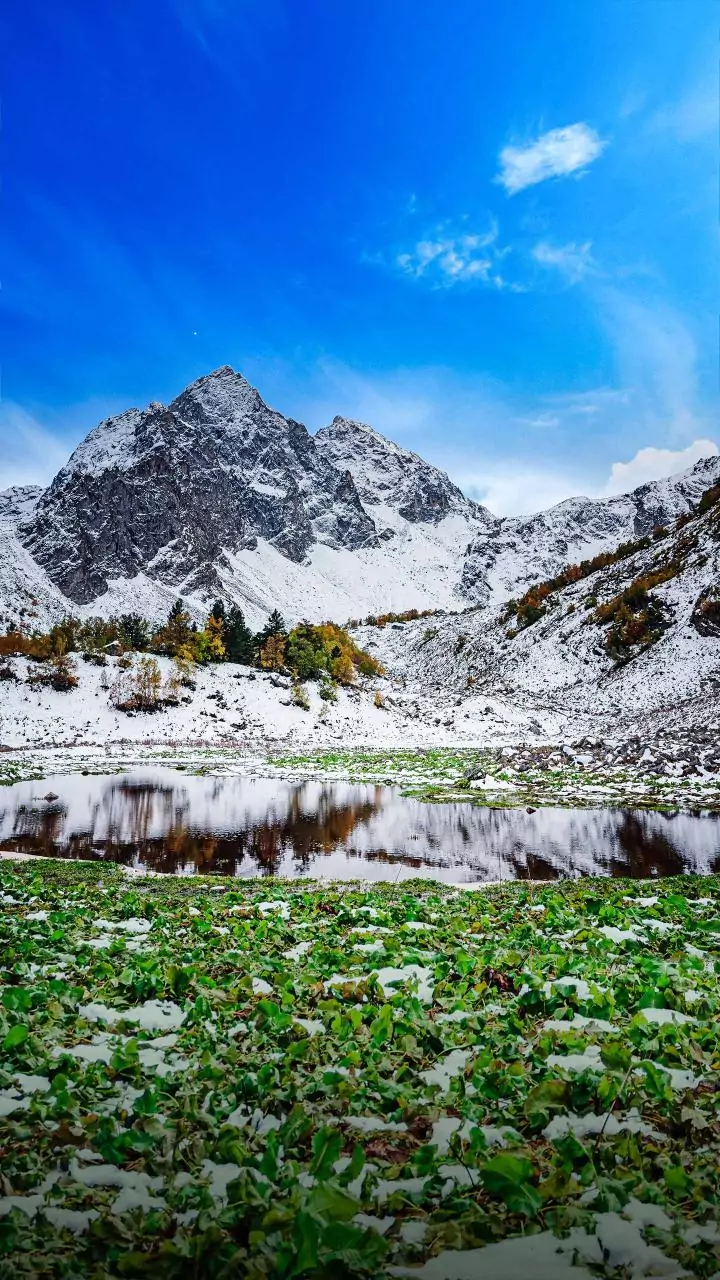
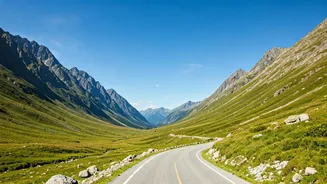
The ingredients for Sundarkala reflect a deep connection to the mountain landscape and its pragmatic agricultural practices. The dough is typically prepared using whole wheat flour, often combined with mandua, or finger millet, a hardy grain that thrives in the challenging Himalayan terrain. Salt and water form the binding agents, and some households add a pinch of turmeric, not just for color but for its believed preservative qualities during colder seasons. The final flavor profile is built with simple, local ingredients. Common additions include mustard oil, fresh green chilies, garlic leaves (fresh or sautéed), and sometimes foraged wild herbs, adding a distinctive regional touch. This minimalist approach ensures the focus remains on the wholesome taste of the grains and the fresh, vibrant seasonings.
Simple Preparation, Rich Texture
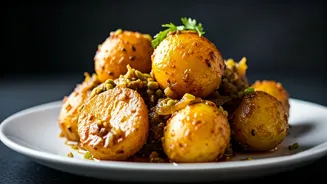
The simplest preparation of Sundarkala involves boiling the noodles until they are tender yet retain a satisfying chewiness, then tossing them with mustard oil, salt, and chilies. More elaborate home-cooked versions might see the noodles combined with sautéed garlic leaves or served alongside a light lentil soup, seasonal vegetable curry, or a sharp, tangy mountain pickle. Some families incorporate a spoonful of ghee for added richness, while others maintain that mustard oil is essential to preserving the dish's authentic character. There isn't a single definitive recipe; rather, variations emerge based on local availability, altitude, and ingrained household habits. Texturally, Sundarkala offers a delightful resistance, a toothsome quality that distinguishes it from smoother pastas or vermicelli. When mandua is used in the dough, it imparts a nutty, earthy flavor with a subtle sweetness, complementing the restrained seasoning which allows the grain's natural taste to shine through.
Communal Craft, Global Kin
Sundarkala is as much about the act of making as it is about eating. In numerous homes across Uttarakhand, the process of preparing these noodles is a communal activity, with families gathering together, especially during the long winter months, to knead and shape the dough. This collaborative spirit is echoed in similar hand-shaped dough traditions found in mountain cultures worldwide, such as Central Asian laghman or Tibetan thukpa. Sundarkala proudly stands as part of this global family of sustenance foods – adaptable, filling, and deeply connected to its local origins. For those inspired to recreate this dish at home, a straightforward method involves mixing whole wheat flour (with optional mandua), salt, and a touch of turmeric, kneading it with water into a firm dough, resting it briefly, and then rolling it into uneven ribbons using the palms. Boiling these noodles in salted water until cooked and then dressing them with mustard oil, garlic, chilies, and salt yields a delicious taste of the Himalayas.
A Nod to Slow Food
In today's fast-paced world, dominated by instant meals and engineered convenience foods, Sundarkala stands as a gentle reminder of the value of patience and traditional methods. It embodies a philosophy where certain foods are not meant for optimization or rapid production, but rather for the mindful act of creation, sharing, and slow consumption. The journey of Sundarkala from the humble kitchens of Garhwal to the esteemed halls of the presidential residence is not a metamorphosis into something entirely new, but rather a well-deserved recognition of its inherent worth, cultural significance, and the enduring soul of Himalayan cuisine. Finger millet, a common ingredient, is noteworthy for being naturally gluten-free and a rich source of calcium and fiber, contributing to its historical popularity in diets across the hilly regions.