


Cover Up Cooking
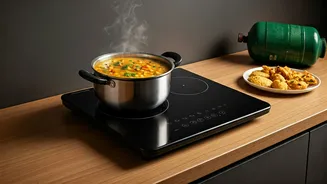
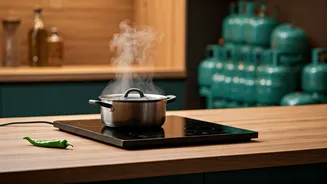
A significant amount of heat and steam can dissipate into the surrounding air if pots and pans are left uncovered while cooking. This necessitates the stove's
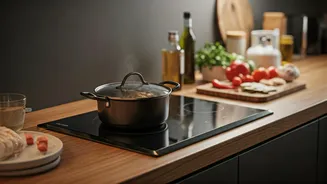
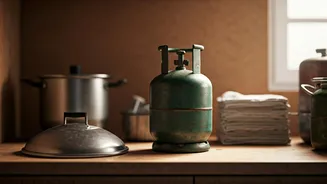
flame to work harder and for a longer duration to achieve the desired cooking temperature. By consistently using lids on your cooking vessels for items like rice, lentils, or vegetables, you can dramatically reduce the time and gas required for them to cook. This not only accelerates the cooking process but also helps to retain the natural flavors and nutrients within the food, resulting in more delicious and wholesome meals. A quick stir now and then is usually sufficient to prevent sticking and ensure even cooking without compromising the gas-saving benefits of the lid.
Match Utensil Flame
Optimizing the use of your gas burner involves matching the size of your cooking utensil to the burner's flame. When a utensil is significantly larger than the burner, only the central portion receives direct, high heat, leaving the outer edges to heat up much more slowly. This inefficiency leads to wasted gas. By opting for smaller utensils, like a small kadhai or a kettle, and using them on a smaller burner, you ensure that the flame is fully utilized. Reserving the larger burners for when they are truly necessary, such as for large pots, will instantly cut down on gas consumption. This simple adjustment can significantly extend the lifespan of your LPG cylinder, potentially adding up to ten extra days of use, a valuable benefit during times of scarcity.
Simmer Wisely
While a high flame is effective for rapidly bringing liquids to a boil, most subsequent cooking processes require a more moderate heat. Once water has reached its boiling point for dishes like potatoes or pasta, it is far more efficient to reduce the flame to a simmer. This lower heat setting not only prevents scorching and preserves vital nutrients in the food but also dramatically cuts down on gas consumption. Mastering the transition from a rolling boil to a gentle simmer is a key strategy for making your LPG cylinder last longer, especially as global events can drive up prices and tighten supply.
Embrace Pressure Cookers
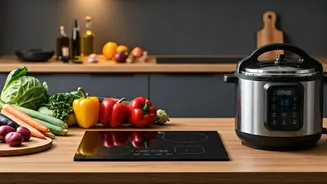
Pressure cookers are invaluable kitchen tools, particularly when LPG supplies are disrupted. These specialized pots trap steam under pressure, creating an environment where food cooks significantly faster than in conventional open pots. By using just the right amount of water and ensuring the lid is sealed tightly, the steam builds up, cooking ingredients like dals, rice, and meats in roughly half the time. This efficiency makes them a lifesaver for busy households and a critical method for conserving gas during periods of supply uncertainty and increased demand.
Prep Ahead
A proactive approach to meal preparation can lead to substantial gas savings. By softening ingredients before they even reach the stove, you considerably reduce the cooking time required. This includes tasks like chopping vegetables thoroughly or soaking dried legumes such as chickpeas overnight. Having all your ingredients washed, cut, and measured before you ignite the burner ensures that the gas is used efficiently, without being wasted on prolonged heating. This preparation minimizes idle waiting times and maximizes the longevity of your LPG cylinder with minimal additional effort.
Clean Burners
The efficiency of your gas stove's burners directly impacts gas consumption. Over time, burner holes can become clogged with food residue and grime. This buildup causes the flame to become weak, often appearing yellow instead of a clean blue, and it generates less heat. A less efficient flame requires longer cooking times and thus burns more gas. Regularly cleaning your burners after each use, using a needle to clear the ports and soapy water for general cleaning, will restore them to optimal performance. It's also wise to periodically check gas pipes for leaks to ensure maximum efficiency, especially during a gas crisis triggered by external factors.