



Dhokla: The Delight
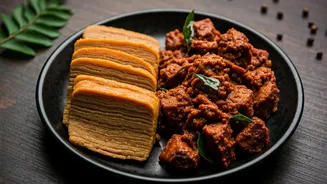
Dhokla, a beloved Gujarati snack, presents a fluffy, steamed cake made from fermented batter. This batter typically comprises rice and chickpeas (besan),
offering a slightly tangy taste. The fermentation process is key, as it provides the light, airy texture that defines dhokla. Often seasoned with mustard seeds, green chilies, and coriander leaves, dhokla is a treat that appeals to varied palates. The snack can be served with mint-coriander chutney and tamarind chutney. Different variations exist, including Khaman Dhokla, which is made using chana dal (split chickpeas) and is typically fluffier. Its popularity is evident in its presence in almost every Gujarati household and street food stall.
Undhiyu: A Winter's Warmth
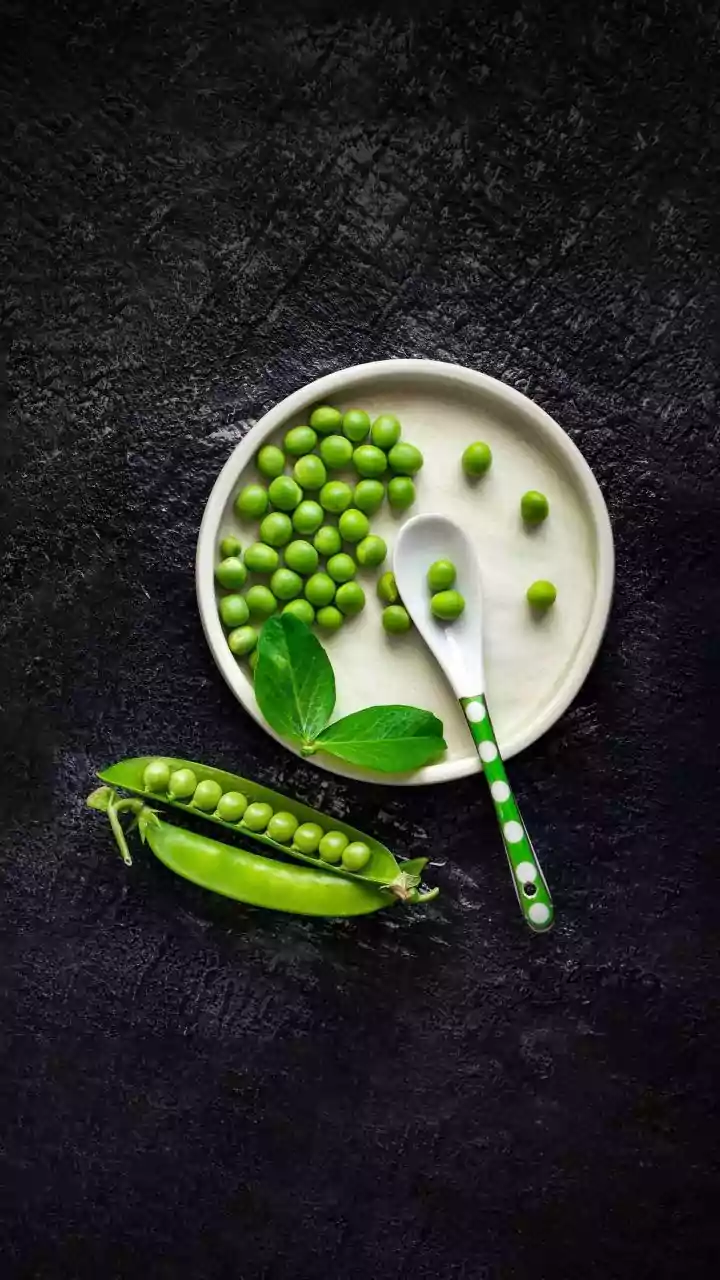
Undhiyu, a flavorful mixed vegetable dish, is a Gujarati winter specialty. The cooking technique is unique, as the vegetables are typically cooked upside down in earthen pots (matlu). It's a combination of seasonal vegetables like eggplant, potatoes, beans, and green peas, slow-cooked with a blend of spices. These spices often include ginger-garlic paste, green chilies, coriander, and garam masala. Undhiyu gets its distinctive flavor from the subtle infusion of spices with the mixed vegetables. This dish usually goes well with hot puris and is perfect for a cold winter's day. The slow cooking method imparts a richness that is hard to replicate, making it a star dish during Gujarati celebrations.
Thepla: Everyday Staple
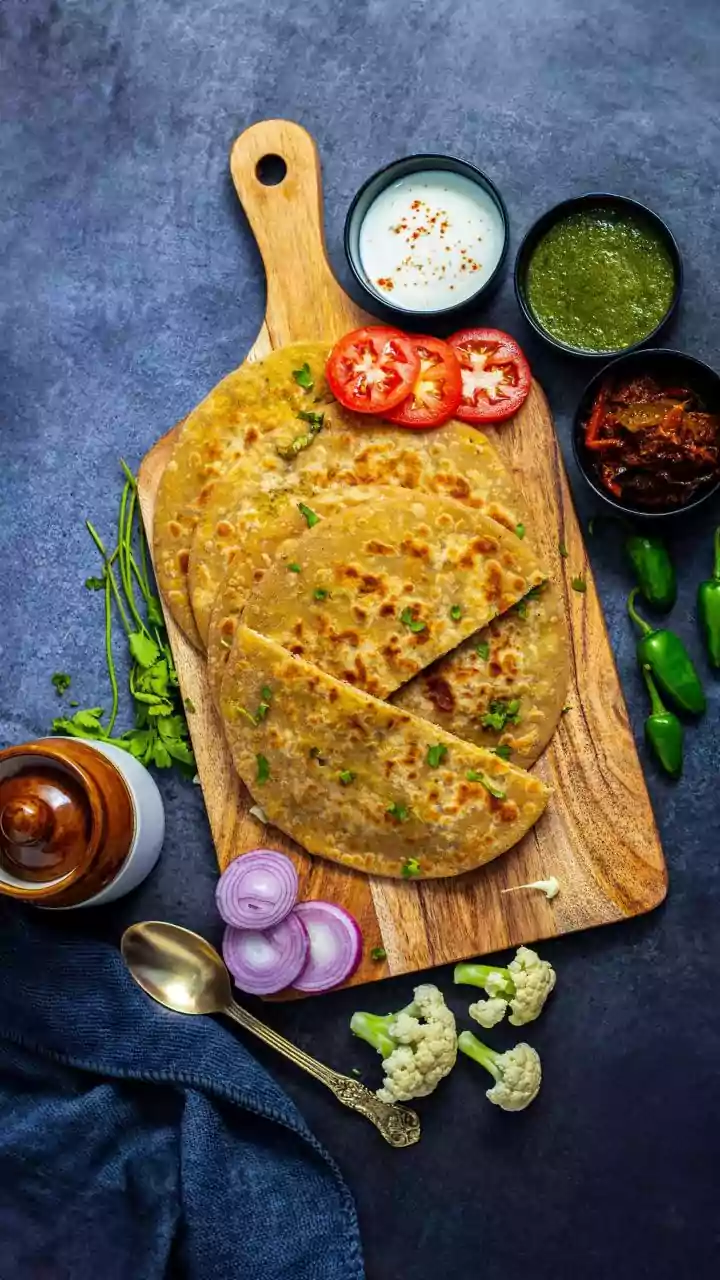
Thepla is a thin, soft flatbread that holds a significant place in Gujarati cuisine, often consumed with yogurt, pickle, or chutney. It is typically made from a mix of wheat flour, gram flour (besan), and spices like turmeric, chili powder, and fenugreek leaves (methi), which lend it a unique flavor. Theplas are ideal for breakfast, lunch, or even as a traveling snack, as they stay fresh for several days. They are cooked on a griddle with a touch of oil, giving them a slight crispness on the outside. Different variations can include various additions like grated radish or bottle gourd, further enhancing its flavor profile. Theplas reflect the Gujarati emphasis on adaptable and delicious food, making it an everyday essential.
Khandvi: The Delicate Rolls
Khandvi, a snack that exemplifies the art of Gujarati cooking, is made from a rolled-up gram flour and yogurt mixture. This dish calls for patience and skill because the batter needs to be spread thinly and then rolled into tight, bite-sized pieces. Seasoned with mustard seeds, sesame seeds, and curry leaves, khandvi offers a pleasing combination of textures and flavors. Its delicate appearance mirrors its gentle, melt-in-your-mouth experience. Khandvi is a dish of high finesse, frequently present in Gujarati gatherings and feasts. The garnish often includes fresh coriander and grated coconut, contributing to its taste and appeal.
Fafda-Jalebi: The Iconic Duo
Fafda-Jalebi is a beloved Gujarati breakfast combination, a classic pairing of a crunchy snack with a sweet delight. Fafda, a crispy, deep-fried snack, is made from gram flour and seasoned with carom seeds (ajwain). Jalebi, on the other hand, is a spiral-shaped sweet made from fermented batter, deep-fried, and soaked in sugar syrup. The contrast between the savory fafda and the sugary jalebi offers a delightful combination of tastes. This pairing is especially popular during festivals and celebrations. The crispy texture of fafda complemented by the sweetness of jalebi makes it an enjoyable culinary experience and a testament to the diverse flavors of Gujarati food.
Dal Dhokli: A Hearty Meal
Dal Dhokli is a wholesome one-pot meal that combines the comforting goodness of lentils (dal) with the satisfying dough (dhokli). The dhokli, which are small, wheat flour dumplings, are simmered in a flavorful lentil base seasoned with spices like turmeric, asafoetida, and cumin. The lentils provide a protein-rich base, while the dhokli adds a chewy texture to the dish. This meal is both filling and nutritious, making it a favorite in many Gujarati homes. It can be customized based on personal preference, with variations in spice levels and the types of lentils used. The dish is a fine representation of Gujarati cuisine's focus on integrating taste with nourishment.
Gujarati Kadhi: Tangy Delight
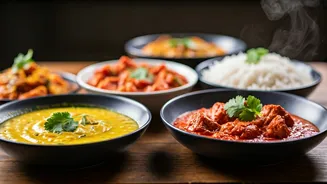
Gujarati Kadhi, a yogurt-based curry, is a comforting and light dish that is often served with rice. The kadhi is prepared from yogurt, gram flour (besan), and a blend of spices, resulting in a slightly sour and tangy taste. It is simmered until it thickens, and often includes the addition of vegetable fritters (pakoras) for extra texture and flavor. The tempering with mustard seeds, curry leaves, and asafoetida infuses the kadhi with a distinctive aroma. Kadhi offers a cooling effect, making it popular during the hot summer months. It is a fundamental part of the Gujarati thali, symbolizing the balance of sweet, sour, and savory flavors in their cuisine.
Sev Tameta Nu Shaak
Sev Tameta Nu Shaak is a flavorful tomato and sev-based vegetable dish. This dish blends the tanginess of tomatoes with the crispiness of sev (thin fried gram flour noodles). The preparation involves cooking tomatoes with spices such as ginger-garlic paste, chili powder, and turmeric. Then, the sev is mixed in, which adds a crunchy texture. This shaak (vegetable preparation) is a quick and easy recipe, making it perfect for a weeknight meal. The blend of textures and tastes, between the soft tomatoes and the crunchy sev, make it a delightful combination. It is often served with roti or paratha, showcasing the versatility of Gujarati cooking.
Gota: Savory Fritters
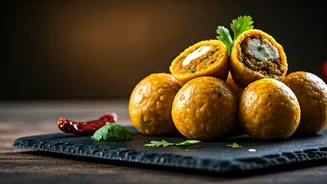
Gota is a savory fritter popular in Gujarati cuisine, particularly during celebrations and festivals. These fritters are made from a gram flour (besan) batter, mixed with spices and various vegetables. Common additions include spinach, onions, and chilies, giving them their unique taste. The batter is fried to a golden brown color, making it crunchy and delicious. Gota is an excellent snack option, especially when served with mint-coriander chutney. Its crispy texture and savory flavor have made it a favorite among Gujaratis, and a must-have during festive occasions. The dish showcases how simple ingredients can come together to create a delightful eating experience.