



Seeds & Nuts for Bones
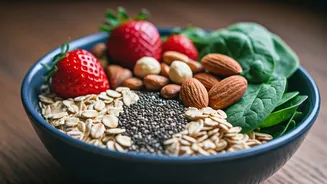
Instead of reaching for calcium tablets, consider the power of sesame seeds and almonds. These readily available foods are excellent natural sources of calcium and beneficial
fats, crucial for maintaining robust bone health. Incorporating a spoonful of sesame seeds into your morning porridge or sprinkling them into vibrant salads and zesty chutneys offers a consistent and easily absorbed dose of this vital mineral. Almonds, whether eaten whole as a snack or ground into flour for baking, provide complementary nutrients that work synergistically to support skeletal strength. This approach moves away from isolated supplements towards a holistic integration of bone-nourishing elements directly into your regular meals, making healthy choices effortless and enjoyable.
Dairy & Eggs: B12 Powerhouses
For a reliable natural source of Vitamin B12, look no further than everyday dairy products and eggs. Milk, creamy yoghurt, fresh paneer, and versatile eggs are packed with this essential nutrient, vital for maintaining healthy nerve function and sustained energy levels throughout the day. By regularly including these foods in your breakfast, lunch, or dinner – perhaps a bowl of yoghurt with fruit, an omelette for brunch, or paneer in a curry – you can ensure your body receives a steady supply of B12. This dietary strategy is far more effective and natural than relying on B12 supplements, promoting overall vitality and well-being through wholesome, familiar ingredients.
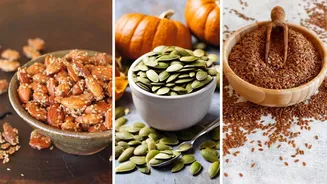
Pumpkin Seeds & Dark Chocolate
Combat magnesium deficiency and manage stress with a delightful combination of pumpkin seeds and dark chocolate. Pumpkin seeds are a fantastic source of magnesium, a mineral essential for optimal muscle function and emotional balance. Enjoying a small handful as a mid-day snack or adding them to your savoury dishes can significantly contribute to your daily magnesium intake. Furthermore, a small square of high-cocoa dark chocolate offers a guilt-free indulgence that also provides magnesium, satisfying your sweet cravings while delivering health benefits. This pairing offers a delicious and effective alternative to magnesium tablets, blending health with pleasure.
Amla & Capsicum Boost
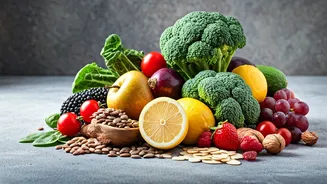
Strengthen your immune system and enhance skin radiance with the vibrant Vitamin C punch of amla and capsicum. Indian gooseberry (amla) and brightly coloured capsicum are exceptional natural reservoirs of Vitamin C, a potent antioxidant crucial for immune defence and skin rejuvenation. Whether you consume amla juice daily, add sliced capsicum to stir-fries and salads, or enjoy them raw, you're significantly boosting your body's ability to ward off illness and maintain a healthy complexion. These fresh, readily available produce items offer a superior, more bioavailable form of Vitamin C compared to synthetic supplements, promoting vibrant health from within.
Iron from Seeds & Dates
Address your body's iron needs naturally with garden cress seeds and dates. Traditionally revered for their iron content, soaked garden cress seeds can be incorporated into various dishes, from smoothies to doughs, providing a sustained release of this vital mineral. When combined with the natural sweetness and iron present in dates, these foods work synergistically to support healthy haemoglobin levels and combat fatigue. This wholesome approach offers a more palatable and effective way to boost iron stores compared to relying on iron tablets, which can sometimes cause digestive discomfort. Embrace these power foods for a natural, gentle iron boost.
Gut Health: Kanji & Curd
Cultivate a thriving gut microbiome without the need for expensive probiotic capsules by embracing fermented foods like rice kanji and homemade curd. Rice kanji, the fermented water left after cooking rice, and fresh, homemade curd are teeming with beneficial bacteria essential for optimal digestion and gut balance. Regularly consuming these traditional delights can significantly improve your digestive health, aiding in nutrient absorption and overall well-being. This simple, cost-effective strategy harnesses the power of natural fermentation to nurture your gut flora, offering a delicious and time-tested alternative to commercially produced probiotics.
Omega-3s: Chia, Flax, Walnuts
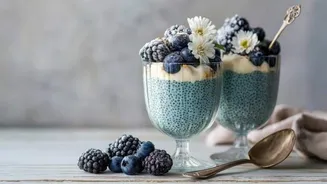
For essential omega-3 fatty acids, turn to plant-based powerhouses like chia seeds, flax seeds, and walnuts, rather than fish oil supplements. These versatile ingredients are rich in alpha-linolenic acid (ALA), a precursor to the beneficial EPA and DHA, and are free from the mercury concerns associated with some fish oils. Sprinkle chia or flax seeds into your morning oatmeal, blend them into smoothies, or add chopped walnuts to salads and baked goods. Their affordability and accessibility make them a practical and sustainable choice for meeting your omega-3 needs, promoting heart health and reducing inflammation naturally.