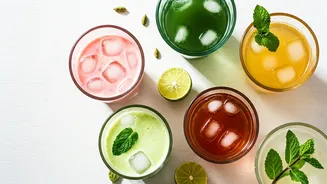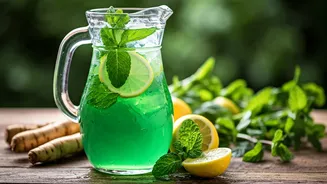




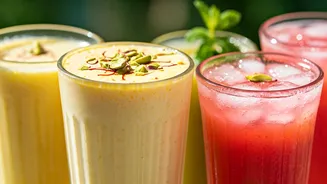
What is Nimbu Pani?
Nimbu Pani, often recognized as the quintessential Indian lemonade, is a celebrated beverage designed to combat sweltering temperatures. Its fundamental
composition involves the simple fusion of fresh lemon or lime juice with water, a touch of sweetness, and sometimes a hint of salt or subtle spices. The core appeal lies in its straightforward approach: the tartness of citrus balanced by a mild sweetness, creating an instantly invigorating drink. Many household preparations stick to the most basic trio of lemon juice, water, and sweetener, with optional additions of salt or a pinch of chaat masala. Street vendors might offer a slightly sweeter, possibly effervescent version with soda, while restaurant or home preparations tend to be milder and less saccharine. This drink’s minimalist ingredient profile makes it incredibly adaptable, allowing for adjustments to sweetness and even the exclusion of spices or salt, catering to diverse preferences and dietary needs. It's a versatile base that can be tailored for anyone seeking a cool respite from the heat.
Understanding Shikanji
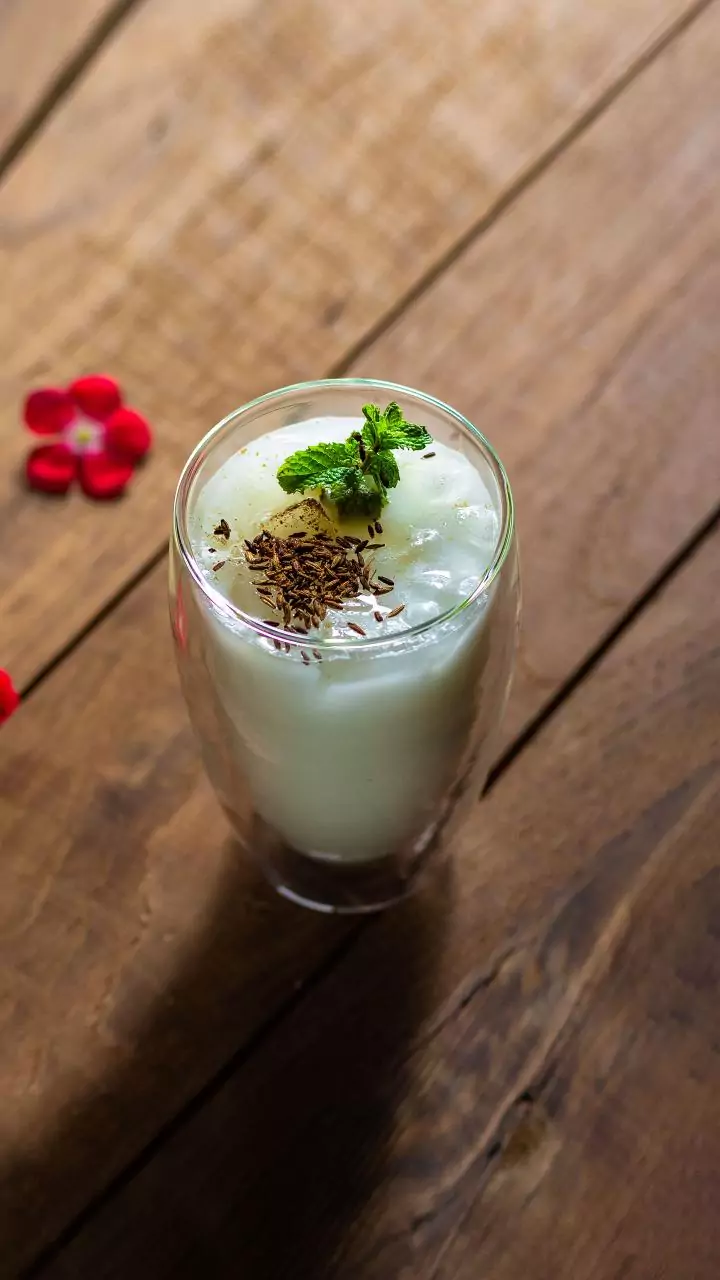
Shikanji, also known by variations like shikanjvi or nimbu shikanji, elevates the classic nimbu pani by introducing a complex layer of spices, earning it the moniker of a more 'masala' or spiced lemonade. The defining characteristic of shikanji is its signature blend, which consistently features roasted cumin powder, black salt (kala namak), and often includes aromatic mint leaves, contributing a distinctive savory, slightly earthy, and tangy flavor profile. This unique combination moves it away from the typical sweet lemonade perception, positioning it more as a healthful, herbal-inspired summer tonic with benefits for digestion and reducing bloating. A common preparation in North Indian households and eateries involves mixing lemon juice with chilled water, sweetener, roasted cumin, black salt, and a few crushed mint leaves, served over ice. Some recipes enhance this further by incorporating a small amount of crushed ginger or black pepper, aiming to provide a gentle warmth and further aid digestive processes. Due to its spice infusion, shikanji is frequently recommended as a revitalizing beverage during hot spells, particularly when feeling fatigued or after consuming a substantial meal, offering a comforting and restorative effect.
Recipe: Classic Nimbu Pani
Crafting a traditional Nimbu Pani is an exercise in simplicity and speed, perfect for immediate refreshment on a warm day. To prepare two glasses, you'll need the juice of two medium lemons or limes, approximately two cups of chilled water, and one to two teaspoons of sugar, adjustable to your preferred sweetness level. A tiny pinch of salt can be added for enhanced flavor, though it's optional. Begin by squeezing the lemons and carefully straining the juice into a jug to remove any seeds. Next, add the chilled water, sugar, and the pinch of salt to the jug, stirring thoroughly until the sugar is completely dissolved. It's advisable to taste the mixture at this point and adjust the sweetness or sourness as needed to achieve your desired balance. Finally, pour the prepared liquid into glasses filled with ice cubes. For an optional touch of freshness and aroma, garnish with a sprig of mint before serving immediately. This no-fuss recipe ensures a quick and satisfying cooling beverage.
Recipe: Masala Shikanji
Creating a classic Masala Shikanji offers a slightly more layered flavor experience than basic Nimbu Pani, yet remains remarkably easy to assemble at home. For two servings, extract the juice from two lemons or limes. Combine this lemon juice in a glass or small jug with one to two teaspoons of sugar (or jaggery for an alternative sweetness), half a teaspoon of black salt (kala namak), and half a teaspoon of roasted cumin powder. To introduce aromatic notes, add 4-5 fresh mint leaves and gently muddle or crush them with the back of a spoon to release their essential oils. Optionally, you can also include a pinch of crushed ginger or a tiny amount of black pepper for a subtle warming sensation that aids digestion. Pour about two cups of chilled water into the mixture and stir well until all ingredients are incorporated. Serve this spiced concoction over ice cubes, ideally garnishing with an extra mint sprig. For added convenience, the dry spice mix—combining cumin, black salt, and dried mint—can be prepared in advance and stored in a small jar, allowing for quick Shikanji preparation on demand during hot weather.
Nutritional Breakdown & Health Perks
From a nutritional standpoint, both Nimbu Pani and Shikanji are commendably low in calories, particularly when prepared with moderate amounts of sugar and without the addition of soda. A standard 240 ml serving of homemade Nimbu Pani, typically made with lemon juice, water, and a modest quantity of sugar, contains approximately 20-30 calories. It is essentially fat-free, with negligible protein content and around 6-8 grams of carbohydrates. Crucially, it offers a good source of Vitamin C, potassium, and a small amount of folate, all of which play vital roles in bolstering the immune system, maintaining hydration levels, and supporting cardiovascular health. Shikanji, due to its inclusion of spices, presents a similar calorie count but benefits from a slightly richer mineral profile, notably sodium from the black salt, and potentially trace amounts of iron and magnesium derived from the spice blend. The roasted cumin and black salt in Shikanji are recognized for their digestive aid properties, potentially reducing bloating and stimulating appetite. Meanwhile, the mint and ginger components can offer a soothing effect on the stomach and leave a refreshing aftertaste. Both beverages stand out as superior hydrating options compared to sugary sodas and juices, especially when sugar is kept to a minimum and commercially produced mixes with artificial additives are avoided.
Choosing Your Summer Drink
When the primary goal is simple, unadulterated hydration and cooling during intensely hot weather, Nimbu Pani often emerges as the preferred choice. It's especially suitable for individuals aiming to minimize sugar intake and for those who wish to consume multiple glasses throughout the day. Its clean, uncomplicated flavor profile makes it effortlessly adaptable for children or individuals with sensitive digestive systems, and it can be prepared without any spices or salt if desired. For those embracing a fitness-oriented lifestyle, Nimbu Pani made with just warm water and no sugar is also a popular choice, functioning as a gentle morning digestive aid. Shikanji, on the other hand, truly excels when you seek a more 'restorative' beverage that offers benefits beyond mere cooling. Its characteristic spice mix is instrumental in aiding digestion, potentially mitigating water retention, and providing a more pronounced sense of refreshment, making it ideal after periods of intense physical activity, travel in the heat, or after a heavy meal. If you appreciate a savory, more robust flavor profile reminiscent of street food ('chaat-style'), Shikanji is likely your better option. Conversely, if a lighter, sweeter, and more straightforward citrus taste is desired, Nimbu Pani takes precedence. In essence, both drinks are exceptional for summer, significantly outperforming packaged sodas and sugary juices in terms of natural freshness and health contributions. The core distinction lies in their flavor complexity: Nimbu Pani is akin to classic lemonade, while Shikanji is its spiced, more intricate counterpart. For consistent, everyday hydration during scorching heat, a lightly sweetened Nimbu Pani is ideal, but for a digestion-friendly, restaurant-quality treat after a hearty meal, homemade Shikanji is unparalleled.