



The Scale of the Problem
A recent incident in Uttar Pradesh's Ghaziabad district saw the food department confiscate and destroy a staggering 1200 kg of synthetic paneer, valued
at approximately Rs 3.84 lakhs. This alarming discovery has brought into sharp focus the pervasive issue of food adulteration, particularly concerning dairy products, and raises serious questions about the safety standards in restaurants and street food establishments. The thriving adulteration rackets across the state leave consumers increasingly vulnerable, especially during festive periods like Holi, when demand for sweets and dairy-based items surges. Awareness and vigilance are paramount for consumers to avoid falling prey to these harmful practices.
Evaluating Texture
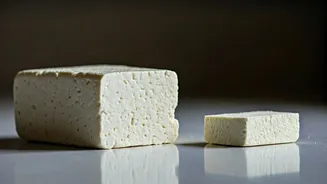
One of the most straightforward indicators of genuine paneer lies in its physical feel. When you break a small piece with your fingers, pure paneer will exhibit a soft, slightly granular texture and yield easily. In contrast, adulterated or synthetic paneer often feels unnaturally hard, possesses a rubbery consistency, or might be excessively smooth, lacking the characteristic slight grittiness of real milk solids.
The Aroma Test
Engage your sense of smell to discern the quality of your paneer. Pure, fresh paneer typically emits a mild, pleasant, milky aroma. If, upon smelling a small fragment, you detect any sourness, a chemical-like undertone, or generally unpleasant scent, it's a strong signal that the paneer may be impure or have undergone some form of adulteration, rendering it unfit for consumption.
Hot Water Immersion
To conduct this test, submerge a small cube of paneer in a bowl of hot water for about ten minutes. Observe how the paneer reacts to the heat. Authentic paneer will maintain its integrity, remaining firm and holding its shape throughout the process. Conversely, if the paneer begins to break apart, crumble excessively, or turn mushy in the hot water, it suggests the presence of foreign agents or synthetic materials.
Starch Detection
A simple yet effective method to detect the presence of starch, a common adulterant, involves using iodine. Crumble a small amount of paneer into a dish and add a few drops of iodine solution. Pure paneer will show no discernible change in colour. However, if the paneer contains starch, it will react with the iodine, turning a distinct blue or black hue, indicating its impurity.
Synthetic Milk Check
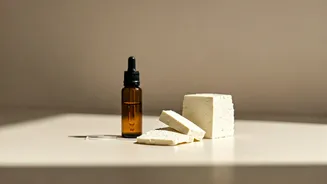
This test helps identify paneer made from synthetic milk. Gently heat a small piece of paneer with a few drops of lemon juice. In the case of genuine paneer, the acidity of the lemon juice will cause a slight curdling, which is a natural reaction. If, however, the paneer does not curdle and instead becomes more rubbery or stringy when heated with lemon juice, it is highly likely to be synthetic.
Foam for Detergent
Detergent contamination is another risk to be aware of. Mix a small quantity of paneer with some warm water in a container and shake it vigorously. Pure paneer, when mixed with water, will make the water appear milky but will not produce any noticeable foam. The appearance of foam or froth on the surface of the water is a red flag, suggesting that detergents have been used in its production.
Appearance and Taste
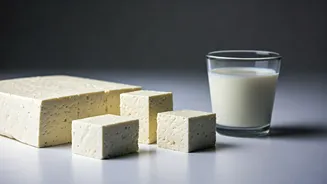
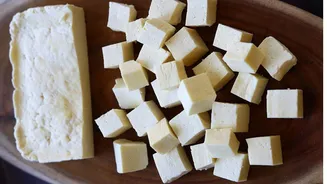
Visually, pure paneer typically presents with an off-white or pale cream colour; it should not appear unnaturally bright white or have a shiny, waxy sheen, which can be indicators of artificial colouring or processing. When tasting a small piece, pure paneer should have a soft, milky flavour. Adulterated versions might feel rubbery in the mouth, stick unpleasantly to the teeth, or possess an unusual, off-putting taste.
Homemade Paneer Recipe
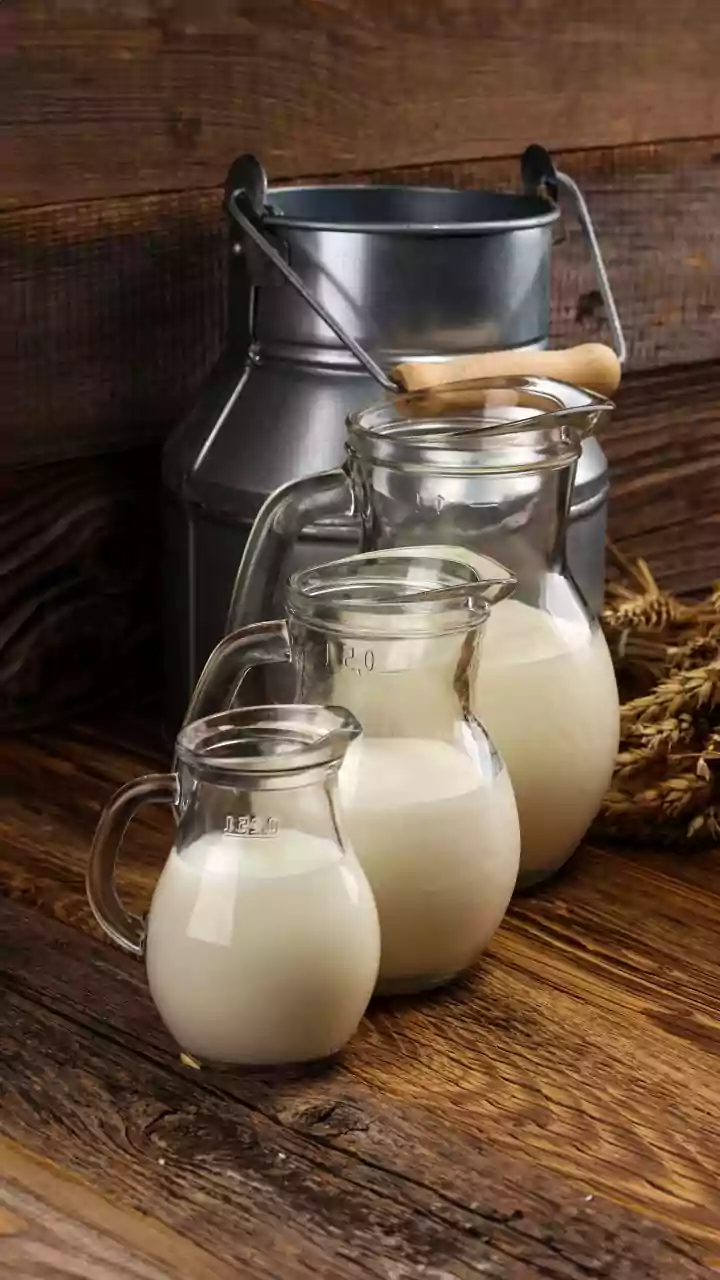
For absolute certainty, consider making paneer at home. You'll need 1 litre of full-cream milk, 2 tablespoons of lemon juice or white vinegar (or ½ cup curd), a clean muslin cloth, and a strainer. Bring the milk to a boil, then add your chosen curdling agent while stirring gently. Let it boil briefly until the milk solids separate from the whey. Strain the solids through the muslin cloth, gather them, and press with a heavy plate to form a block. Allow it to set for about an hour, and you'll have fresh, pure paneer.