





Inspect the Rind
When selecting a whole watermelon, pay close attention to its exterior. Naturally ripened fruits typically possess a consistently green rind, often featuring
subtle light and dark stripes. A healthy rind should have a dull finish, not an excessive shine, which could indicate artificial polishing or coating. Furthermore, feel for any sticky or oily residue on the surface; its absence is a good sign of natural preparation. A too-glossy appearance or unusual surface textures might suggest that the fruit has been tampered with to look more appealing than it truly is, often to mask its natural state of ripeness or to cover imperfections.
Examine the Field Spot
The 'field spot' is a crucial indicator of a watermelon's ripening process. This is the area where the melon rested on the ground while growing. A naturally ripened watermelon will typically display a creamy, deep yellow field spot. This rich hue signifies that the fruit was allowed to mature fully on the vine, absorbing adequate sunlight and nutrients. Conversely, if you observe a field spot that is white or a very pale yellow, it suggests that the watermelon was likely harvested prematurely. Such fruits may not have developed their full flavour and sweetness naturally, making them candidates for artificial enhancement.
Check the Pulp Colour
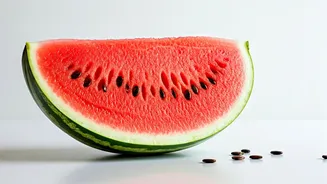
If you're opting for pre-cut watermelon slices, scrutinizing the pulp's colour is essential. Naturally ripe watermelon flesh exhibits a deep pink to vibrant red hue. Be wary if the colour appears unnaturally bright or fluorescent, as this can be a sign of added dyes. Furthermore, an overly shiny, dark red flesh or a grainy texture can also be warning signals. A significant amount of red liquid oozing from cut pieces is another red flag, indicating that artificial colouring has likely been used to make the fruit appear more appetizing. Trust your instincts; if the colour seems too intense or unnatural, it's best to avoid it.
Search for Injection Marks
A common method for adulterating watermelons involves injecting artificial sweeteners or dyes directly into the fruit. To detect this, carefully inspect the watermelon's peel for any tiny, needle-like punctures. You might also notice wet or sticky spots around these potential injection sites, or even slight leaks. The presence of these marks strongly suggests that the fruit has been tampered with. If you find any evidence of such injections, it is highly advisable to discard the fruit immediately to avoid consuming potentially harmful additives.
Perform the Water Test
Once you've brought your watermelon home, a simple water test can confirm its purity. Take a small cube of the watermelon flesh and place it into a bowl of clean water. Gently agitate the cube. If the water begins to turn red or pink, it's a strong indication that artificial colouring has been used. Naturally, watermelon flesh will not bleed colour into the water. This straightforward test provides a clear visual confirmation and helps ensure you are consuming an unadulterated product, free from chemical enhancements designed to deceive.
Understanding Adulteration Reasons
The practice of adulterating watermelons often stems from high summer demand. To expedite sales and make less mature fruits appear more appealing, some vendors resort to various artificial methods. These can include injecting red dyes to deepen the pulp's colour, using sugar syrups to enhance sweetness, or employing agents like carbide or ethephon for rapid ripening. While not all vendors engage in these practices, understanding them empowers consumers. This knowledge helps prevent potential health issues such as stomach upset, allergic reactions, nausea, and the risks associated with long-term exposure to toxic substances.
Proper Watermelon Storage
Even with a pure and safe watermelon, proper storage is key to maintaining its freshness and preventing spoilage. Whole, uncut watermelons should be kept in a cool, dry location away from direct sunlight to prevent premature ripening or degradation. Once a watermelon has been cut, it's crucial to refrigerate the pieces immediately. Store them in airtight glass containers to protect them from bacterial contamination and moisture loss. For optimal quality and safety, it's best to consume cut watermelon within 24 to 36 hours. Never leave cut watermelon uncovered at room temperature, as this significantly accelerates microbial growth.