





The Short Answer: A Strict Deadline
No, Montana does not count ballots that arrive after Election Day. For your vote to be counted, your completed ballot must be received by your county election office by 8 p.m. on Election Day. It is a 'receipt deadline,' not a 'postmark deadline.' This means that simply having your ballot postmarked by Election Day is not enough if it arrives late. This strict deadline has been repeatedly affirmed, including by the Montana Supreme Court, to ensure uniformity and prevent confusion. While some states allow a grace period for ballots postmarked by Election Day, Montana is one of more than 30 states where the ballot must be physically in the hands of election officials when the polls close.
Postmark vs. Receipt: A Critical Distinction
The difference between 'postmark' and 'receipt' deadlines
is the most common point of confusion for voters nationwide. A postmark is the mark the U.S. Postal Service puts on your envelope, showing the date and time it entered the mail system. A receipt deadline, which Montana uses, ignores the postmark. It's an absolute deadline for when the ballot must be physically at its destination. The logic behind this rule is to create a clear and final cutoff point for all ballots, ensuring that election results can be processed in a timely manner. However, it places the responsibility squarely on the voter to ensure their ballot is sent back with enough time to navigate any potential postal delays.
A History of Legal Clarification
Montana's ballot receipt deadline has been tested and solidified in court. During the 2020 primary election, for example, a lower court attempted to extend the deadline, allowing ballots postmarked by Election Day to be counted if they arrived shortly after. However, the Montana Supreme Court quickly overruled this, restoring the strict 8 p.m. Election Day receipt deadline. The court's reasoning was that changing the rules so close to an election would create widespread voter confusion and disrupt election administration, as all official instructions already specified the receipt deadline. This legal history reinforces the state's unwavering stance: lateness is not an option if you want your vote to count.
Practical Advice for Montana Voters
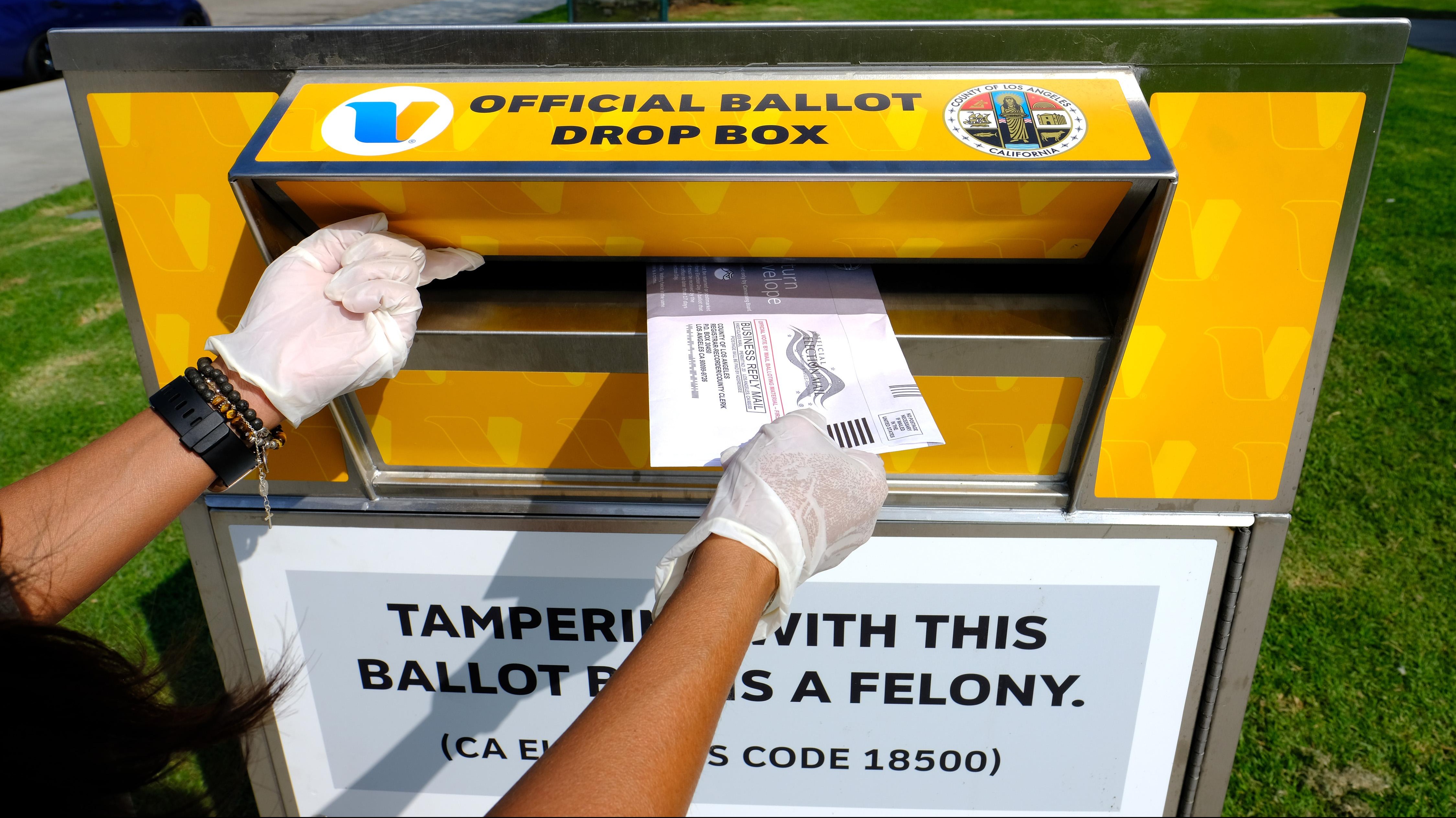
Given Montana's strict rules, the best advice for absentee voters is simple: don't wait. As soon as you receive your ballot, fill it out, sign the envelope, and return it. Election officials and non-partisan groups recommend mailing your ballot back at least one week before Election Day to be safe. If you find yourself cutting it close, mailing it is a risky strategy. Instead, take advantage of official drop-off options. You can return your ballot in person to your county election office or use a designated secure drop-box location. These methods bypass the postal system entirely, giving you peace of mind that your ballot has been securely received before the 8 p.m. deadline. You can track the status of your ballot online via the Secretary of State's 'My Voter Page' to confirm it has been sent and, later, accepted.
The Evolution of Voting in the Treasure State
Absentee and mail-in voting have become incredibly popular in Montana, with a large majority of voters choosing this method. The state has 'no-excuse' absentee voting, meaning any registered voter can opt to vote by mail. However, recent years have seen legal battles over other election laws, such as voter ID requirements and the elimination of Election Day registration, which was ultimately struck down as unconstitutional in 2024 after a lengthy court fight. These debates highlight the ongoing tension between access and security in election administration. While these other rules have shifted, the ballot receipt deadline has remained a consistent and unyielding fixture of Montana's election process.