





What Triggers a Recount?
In Wyoming, a recount can be initiated in a few different ways. The most straightforward is an automatic recount. This happens in any race where the margin between the winning candidate with the fewest votes and the losing candidate with the most votes is less than 1% of the votes cast for that winner. For ballot propositions, a similar 1% rule applies, based on the votes needed for passage. The county canvassing board can also decide to initiate a recount if it finds irregularities in a precinct. Beyond these automatic triggers, a losing candidate can request a recount regardless of the margin by filing an affidavit alleging fraud or error. Additionally, a group of 25 registered voters can petition for a recount on a ballot measure. In all cases,
the request must be filed quickly—typically within two days of the official vote canvass.
The All-Important Question: Who Pays?
The funding for a recount depends entirely on who started it. If a recount is automatic because of a close margin (the 1% rule), the county foots the bill, regardless of the outcome. However, if a candidate or a group of voters requests a recount, they have to put down a deposit. For a candidate, the deposit amount depends on the election margin. If the vote difference is between 1% and 5%, the deposit is $500. If the margin is 5% or greater, that deposit jumps to $3,000. For a voter-initiated recount on a ballot proposition, the required deposit is $100. If the recount ends up changing the election's outcome, the deposit is refunded, and the county covers the costs. If the result stands, the requester is responsible for the actual cost of the recount, up to the amount they deposited.
How the Recount Actually Works
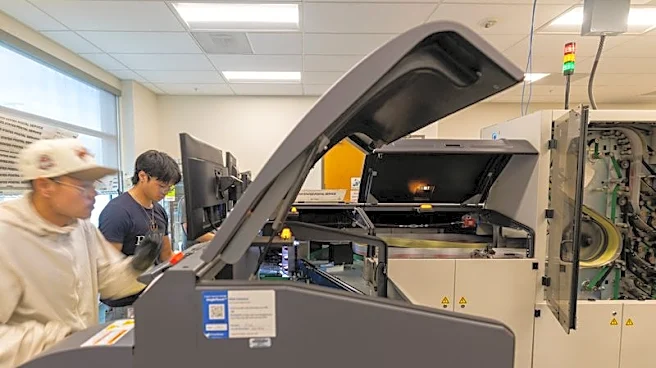
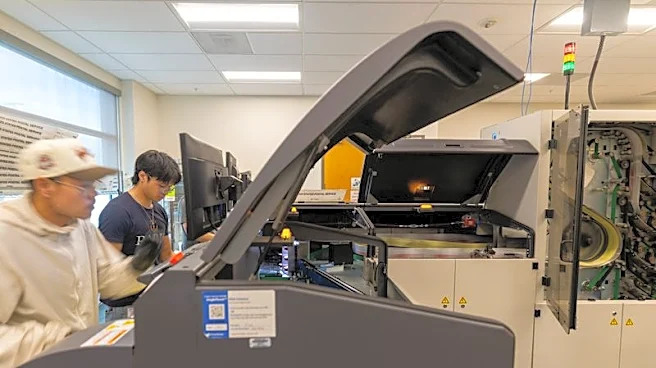
A recount in Wyoming is not some abstract process; it's a physical retabulation of the ballots. By law, the term 'recount' is defined as processing the ballots through the tabulation system again to re-tally the votes for a specific race. County canvassing boards are responsible for conducting the recount, and they must complete it swiftly—within 72 hours of it being mandated or requested. Wyoming law specifies that a recount must cover the entire district where the candidate was on the ballot; partial recounts of specific precincts are not an option for candidate-requested recounts. While some recent legislation has introduced requirements for hand-count audits in certain situations, the primary recount process involves re-running ballots through official tabulation machines.
Do Recounts Change the Outcome?
While recounts are essential for verification and public trust, they rarely result in a different winner. Most recounts confirm the original outcome, often with only minor adjustments to the vote totals due to the correction of small-scale human or machine errors. The wider the initial margin, the less likely a recount is to overcome it. For example, nationally, it's not unheard of for a well-funded candidate to request a recount even when they've lost by a significant margin, often to make a statement rather than with a realistic expectation of victory. The real value of Wyoming's recount system lies in its ability to provide a definitive, final answer in exceptionally close contests and to assure the public that the declared result is the correct one, reinforcing the integrity of the entire electoral process.