



The Two-Week Window
So, what's the official deadline? According to Utah state law, county officials have a specific window to complete their work. The official canvass cannot begin until at least seven calendar days after Election Day, and it must be completed no later than 14 calendar days after the election. This gives local election clerks a full week, and up to two weeks, to diligently review and finalize the results from their jurisdiction. Once all counties have certified their results, they transmit them to the Lieutenant Governor, who oversees the final statewide certification. For most elections, this statewide canvass happens on the fourth Monday of November.
What 'Canvassing' Actually Means
The term 'canvass' might sound like a formal but vague procedure, but it's a hands-on, detailed
process. It is not a recount. Rather, it's an official audit to ensure every valid vote is counted correctly and that the number of ballots cast matches the number of voters who participated. During the canvass, county clerks and their teams perform several vital tasks. They process provisional ballots—those cast when a voter's eligibility was in question at the polls. They also 'cure' mail-in ballots that might have issues, such as a missing or unverified signature, giving voters a chance to fix the problem so their vote can be counted. Essentially, it is a systematic reconciliation of all the election materials to produce a final, verified tally.
Your County Clerk Is in Charge
In Utah, the canvassing process is decentralized, placing the primary responsibility on each county's legislative body, which acts as the 'board of county canvassers'. This board, typically the county commission or council, is responsible for formally approving the election results at a public meeting. However, the intensive work of preparing the results is done by the county clerk and their staff. They are the ones counting ballots, preparing certified summaries, and making all election materials available for review by the board. This local control ensures that the people closest to the community are the ones verifying its votes.
The Journey from County to State
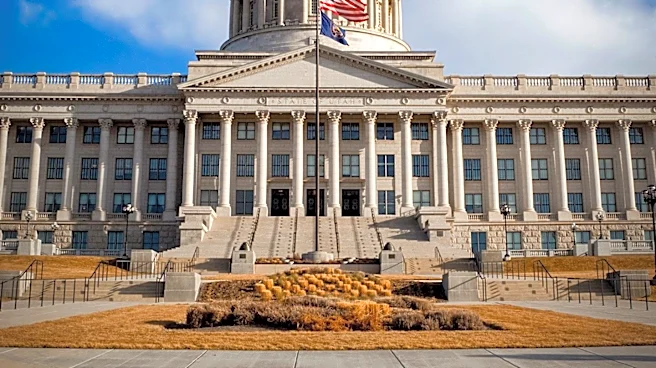
Once a county's board of canvassers certifies the local results, their job isn't quite done. For any races that span multiple counties—like those for governor, U.S. senator, or statewide ballot propositions—each county must immediately transmit its certified totals to the Utah Lieutenant Governor. The Lieutenant Governor's office then compiles the results from all 29 counties to conduct the final statewide canvass. This final step officially determines the winners of statewide offices and the outcomes of ballot measures, formalizing the voice of the electorate across Utah. The process ensures a clear, unbroken chain of custody and verification from the local precinct all the way to the state capitol.
Why This Deliberate Pace Matters
The period between election night and final certification can feel slow, but this deliberation is a feature, not a bug, of a secure election system. The canvassing window provides the necessary time to ensure accuracy and resolve any discrepancies. It allows for a public, transparent process where officials test vote-tabulating equipment after the election to confirm its accuracy and conduct audits. This methodical approach is designed to build public confidence, proving that the final, certified results are a true and accurate reflection of every legally cast ballot. It transforms the exciting but unofficial election night projections into a final, legally binding outcome.