




The First Big Drop: Early and Mail-In Votes
Shortly after polls close at 7 p.m. local time, the first set of numbers you'll see are from early voting. This is a massive batch of data, as a majority of Texans typically cast their ballots before Election Day. These initial results include both in-person early votes and mail-in ballots that have already been received and processed by county officials. In large counties, this first drop can represent a huge portion of the total vote; for instance, in Harris County's 2020 presidential election, 88% of all votes were reported in the first batch. Because of this, the initial totals provide a substantial, though incomplete, picture of the electorate's choices. Large counties can begin processing mail-in ballots even before Election Day to get
a head start.
The Main Event: Reporting Election Day Votes
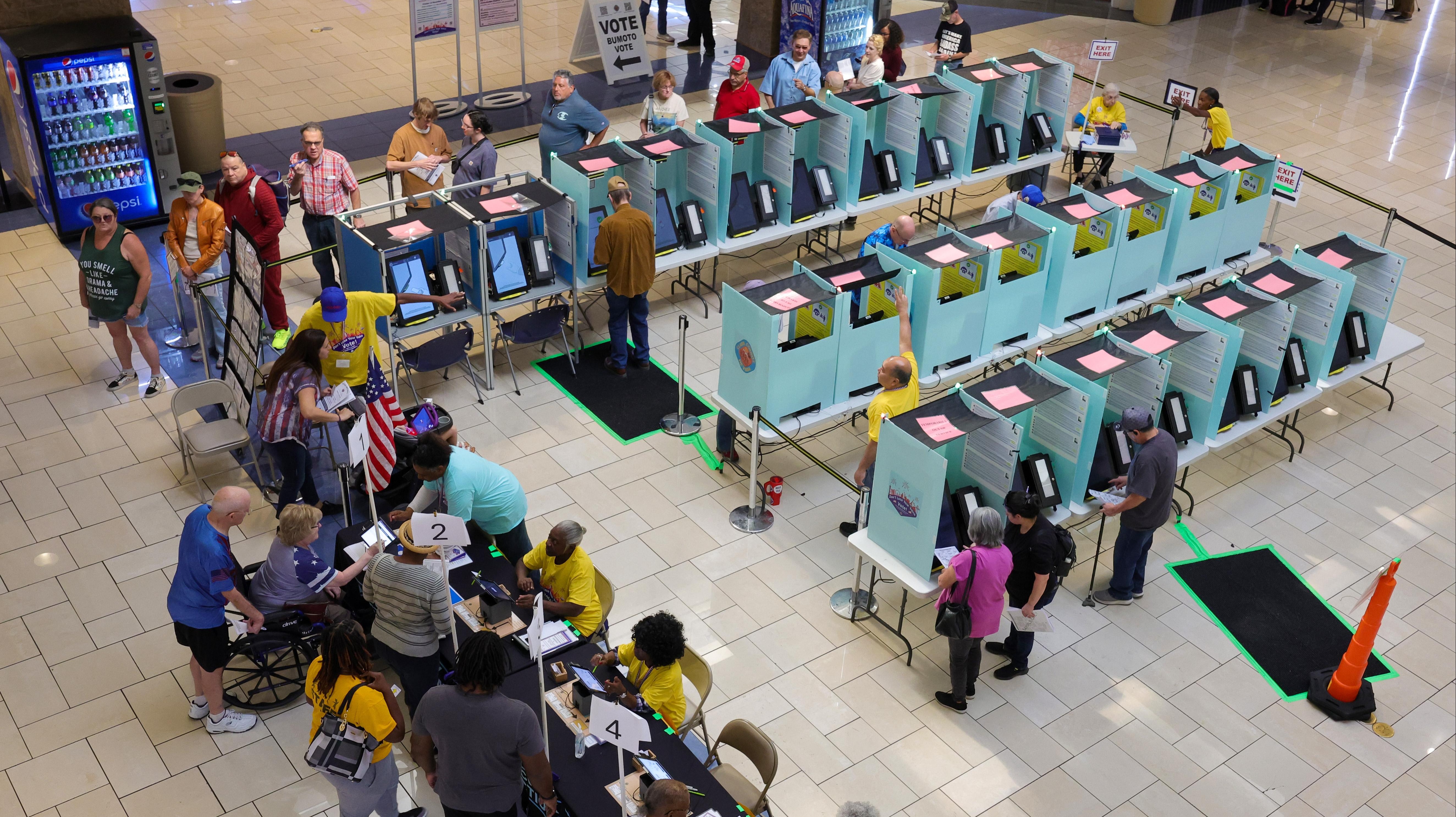
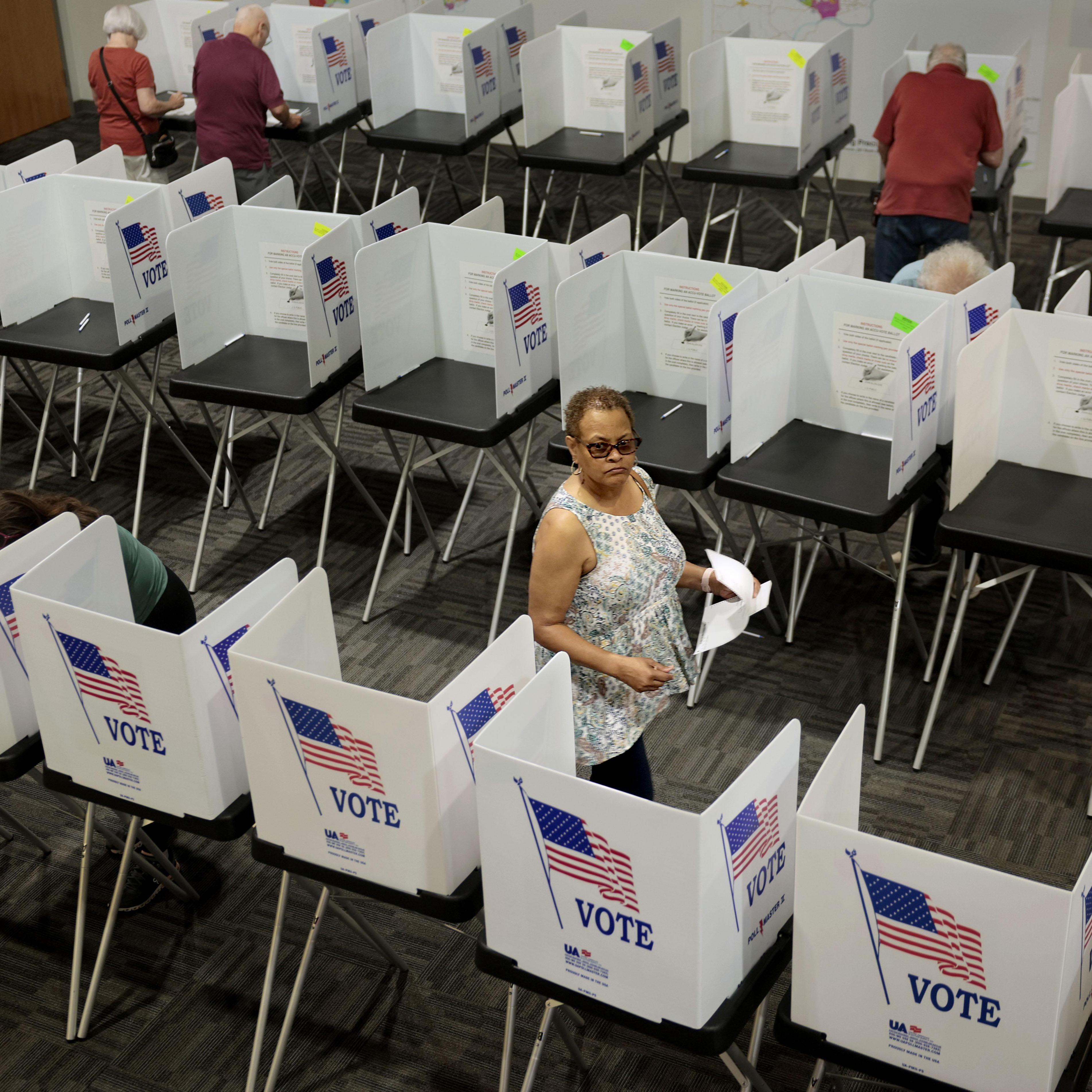
Once the early vote totals are posted, counties begin to report the results from in-person voting on Election Day. This process is more gradual. After polls close, election workers at each of the thousands of polling places across the state must follow strict security procedures, pack up materials, and transport ballots and memory cards to a central counting station in their county. Results are then reported precinct by precinct. This information is submitted by each of Texas's 254 counties to the Secretary of State's statewide election management system. The state's official results portal updates periodically, often every five minutes, as new county data comes in.
Why the Pace Varies Across the State
Not all counties report at the same speed. A small, rural county may have only a handful of polling places and can count its Election Day ballots relatively quickly. In contrast, massive urban counties like Harris (Houston), Dallas, and Tarrant have hundreds of voting locations and must process hundreds of thousands of ballots. This logistical challenge means that results from these densely populated areas tend to trickle in more slowly throughout the night and into the early morning hours. By law, once counting begins, it cannot stop until it is finished, and counties have a 24-hour deadline after polls close to submit their Election Day totals to the state.
Understanding 'Unofficial' vs. 'Official' Results
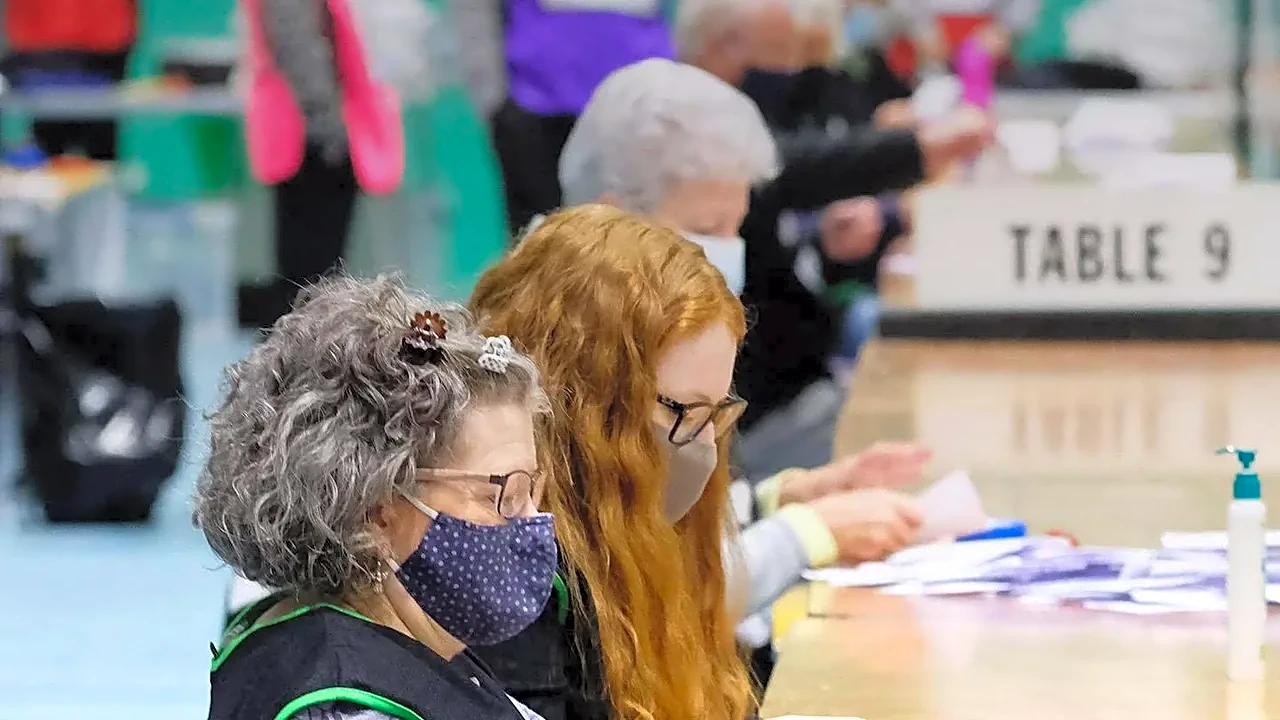
Every number you see on election night is considered 'unofficial.' That’s because the counting process isn’t truly finished. There are still certain categories of ballots that need to be processed, including mail-in ballots that were postmarked by Election Day but arrive in the following days, ballots from military and overseas citizens, and provisional ballots (cast when a voter's eligibility is in question). Counties have a set period after the election to resolve these ballots. Only after this process is complete do local officials meet to conduct the 'local canvass,' where they review all records and finalize the vote totals. This usually happens within about two weeks.
The Final Step: State Certification
After each of the 254 counties has canvassed and certified its local results, they deliver those reports to the Texas Secretary of State. State officials then conduct their own final canvass for statewide and district-level races. It is only at this point, often weeks after Election Day, that the governor formally certifies the results and they become official. This deliberate, multi-step process, full of checks and balances, is designed to ensure accuracy, even if it means patience is required to know the final, certified outcome of a close race.