




First, What Exactly Is a Canvass?
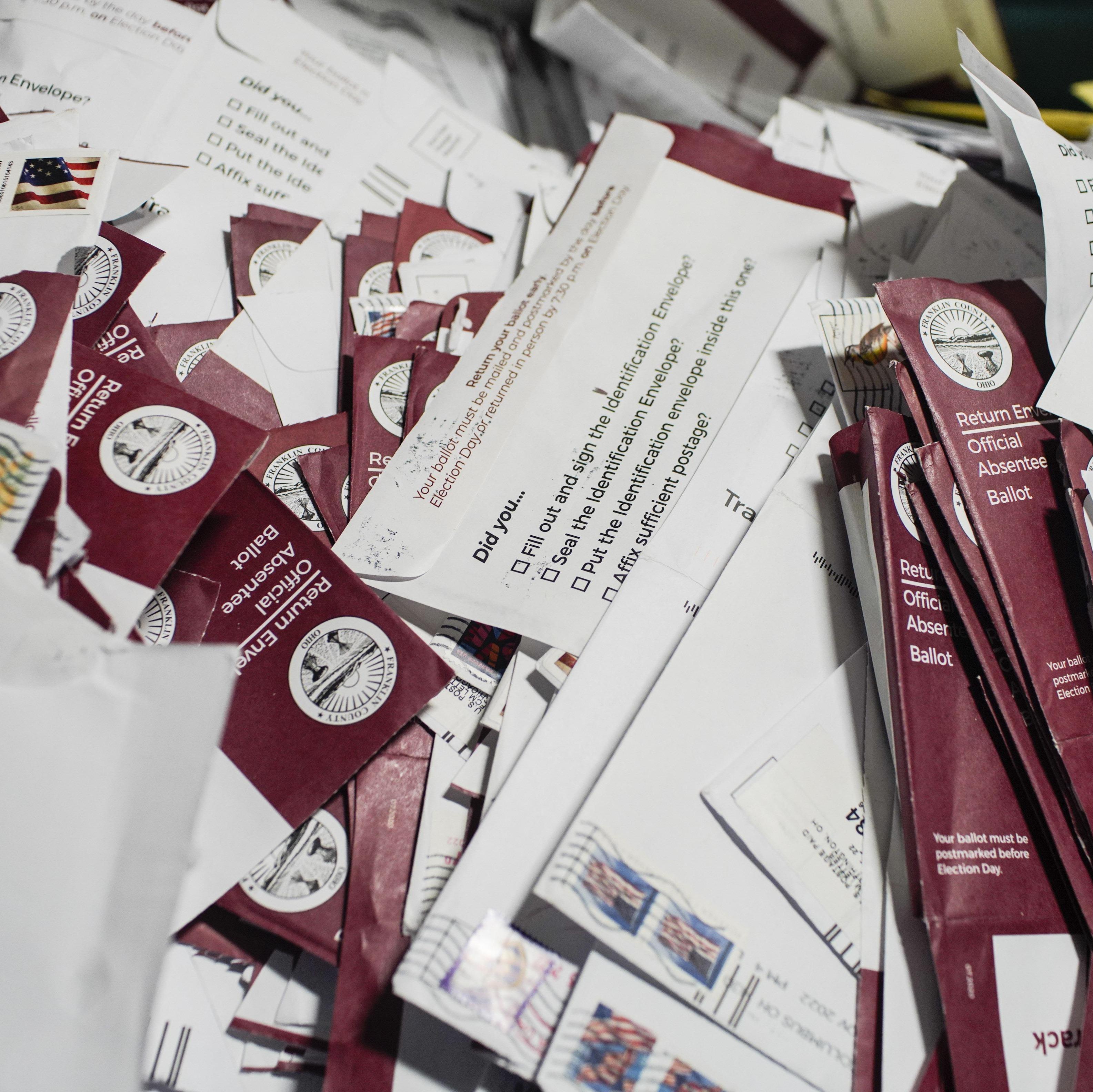
Before we get into timelines, let’s clarify what a 'canvass' actually is. It’s not a recount, which is a separate process that happens only in very close races. Instead, a canvass is the official, legally required process of auditing and finalizing the vote count. Election officials review all the numbers from every precinct, check them against poll worker records, account for every type of ballot (in-person, mail-in, provisional), and resolve any discrepancies. Think of it as the formal accounting that ensures the initial, unofficial Election Night numbers are confirmed to be accurate and complete. It's a deliberate and transparent process designed to build confidence that every valid vote has been counted correctly.
The First Deadline: The County Canvass
The process starts at the
local level. In New Mexico, the Board of County Commissioners in each of the state's 33 counties serves as the county canvassing board. Their job is to review all the returns from the polling places within their county. According to state law, these boards must meet to approve their canvass report no sooner than six days after the election but no later than ten days after the election. For larger counties with more than 150,000 voters, this deadline is extended to thirteen days. Once the county board approves its report and certifies its local results, it sends that official count to several bodies, most importantly, the New Mexico Secretary of State for the next phase.
The Final Step: The State Canvassing Board
This is where the statewide results become final. After all the counties have submitted their certified numbers, the State Canvassing Board convenes. This board has some prominent members: the Governor, the Secretary of State, and the Chief Justice of the New Mexico Supreme Court. Their job is to review the certified results from all the counties and formally declare the winners for all multi-county and statewide offices, as well as the outcomes of any constitutional amendments or other statewide ballot questions. New Mexico law is very specific about when this happens: the State Canvassing Board meets on the third Tuesday after each statewide election to approve the final canvass. This meeting marks the official end of the vote-counting process.
Why the Process Takes Weeks, Not Hours
In an age of instant information, a multi-week canvassing period can feel frustratingly slow. But this timeline is a feature, not a bug, of a secure election system. The built-in delays allow time for mail-in ballots to arrive, for officials to carefully verify signatures and voter eligibility, and to resolve the minor, inevitable issues that crop up during a massive logistical undertaking like an election. Rushing the canvass would risk disenfranchising voters and introducing errors into the final count. This methodical, two-tiered system—first at the county level, then at the state level—provides multiple layers of verification. It ensures that the results announced weeks after the election are not just fast, but right. This meticulous process is a cornerstone of maintaining public trust in the democratic outcome.