


When Is a Recount Triggered?
In Montana, a recount isn't just called for on a whim; specific conditions must be met. The most straightforward trigger is a tie vote, which automatically initiates a recount for the affected office. Beyond a tie, a recount can be requested by a defeated candidate if the margin of victory is exceptionally close. For most local, state, and federal offices, a candidate can request a state-funded recount if they are defeated by a margin of 1/4 of 1% (0.25%) or less of the total votes cast for the office. The same 0.25% margin applies to ballot issues, which can be initiated by a petition from a certain number of electors. The process must be initiated quickly; candidates and petitioners have just five days after the official election canvass to file
their request.
Who Pays for the Recount?
The question of who foots the bill depends on the margin of victory. If a candidate or ballot issue qualifies for a recount within that tight 0.25% margin, the expense is considered a public charge and is covered by the county (or the state for certain statewide expenses). However, Montana law provides a second window for candidates who just miss that threshold. If the margin of defeat is greater than 0.25% but still within 1/2 of 1% (0.5%), a candidate can still request a recount, but they have to pay for it themselves. Similarly, if a candidate or voter bypasses the administrative process and successfully petitions a district court for a recount, they must deposit the estimated cost in cash beforehand. If the recount overturns the election result, the petitioner gets their money back. If it doesn't, they are responsible for the full cost.
The Recount in Action
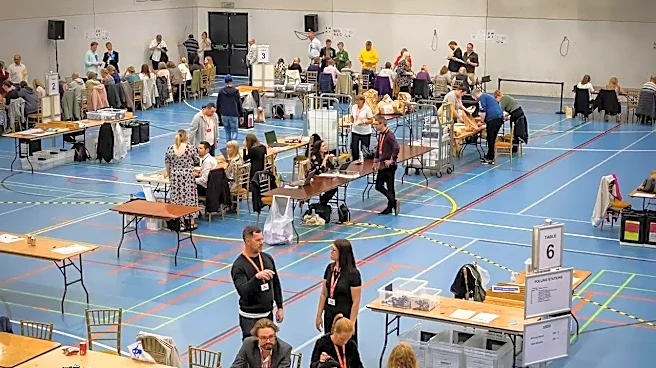
Once a recount is approved, it's a formal, public proceeding. Each county involved convenes a three-member recount board, typically composed of county commissioners. These boards are tasked with manually re-tallying the votes. Election officials provide the board with the sealed packages of ballots, which are then opened in public view. The process is designed for transparency. Candidates, their representatives, and members of the media are entitled to be present and witness the entire recount. The recount is not a new investigation into voter eligibility or campaign practices; its scope is strictly limited to counting the validly cast ballots again. Board members examine each ballot, sorting them by candidate and setting aside any that are questionable or challenged for a final determination based on state law.
What Happens After the Re-Tally?
After the recount board finishes its work, it prepares a new, corrected report detailing the final vote count. This report shows the vote totals as ascertained by the recount, which then officially becomes the new result of the election. The county's official records are updated to reflect this outcome. While the prospect of a recount often generates political drama, the reality is that they very rarely change an election's winner. National studies of recounts have shown they typically shift the margin by only a tiny fraction of a percentage point. More often than not, they serve to confirm the accuracy of the original count and identify minor administrative errors, ultimately reinforcing confidence in the electoral system rather than upending it.