





The Canvass: An Official Tally
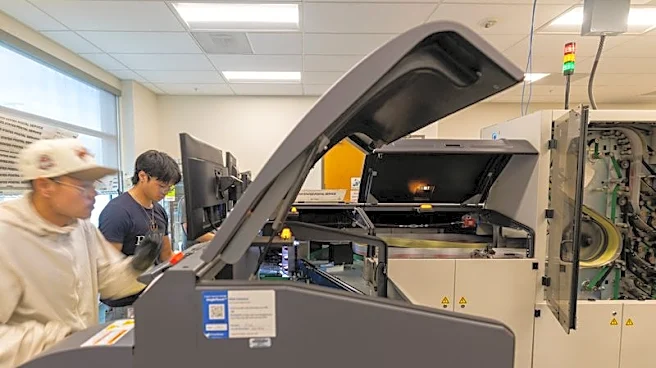
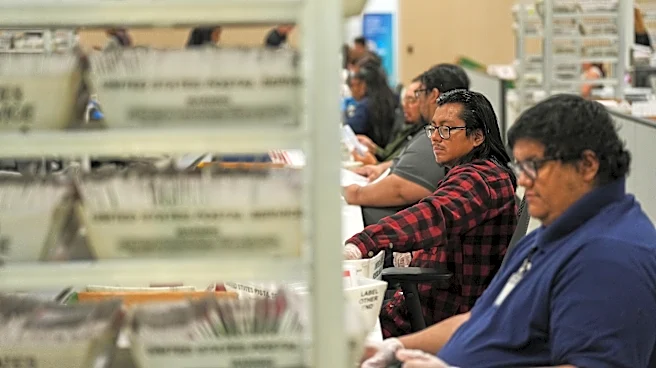
Think of the canvass as the official first count of an election. It’s a formal, public process where county election officials meticulously check and confirm the vote totals from every precinct. This isn't just a simple recount; it's a comprehensive review to ensure the numbers reported on election night match the tallies from voting machines, absentee ballots, and provisional ballots. Representatives from political parties and candidates are allowed to observe this process to ensure transparency. Under Kentucky law, the canvass is also when post-election audits occur. The Secretary of State randomly selects one race on one voting machine in each county for a manual hand-count to verify the machine's accuracy. This essential step ensures that
the equipment functioned correctly and builds confidence in the final results before they are sent up to the state level.
The 'Cure' Process: A Chance to Fix Mistakes
Sometimes, an absentee or mail-in ballot is returned with a technical error, most commonly a signature that doesn't match the one on file or, in some cases, a missing signature. Rather than automatically discarding the ballot, Kentucky has a 'cure' process that gives voters a chance to fix, or 'cure,' the issue. According to state law, the county board of elections must make a reasonable effort to contact a voter if their ballot has a mismatched signature. They will provide the voter with instructions on how to resolve the discrepancy. However, the window for this is tight. In Kentucky, any signature issues on a mail-in ballot must be cured by the close of polls at 6 p.m. local time on Election Day. This makes it critical for voters who vote by mail to track their ballot's status online via the state's portal and respond immediately if notified of a problem.
Recanvass: A Closer Look at Close Races
If a race is exceptionally close, a candidate can request a recanvass. This is different from the initial canvass. A recanvass is a formal request made to the county board of elections or Secretary of State to re-check the vote totals from the voting machines and ballots. A candidate can request a recanvass within a week of the election, but only if the vote margin is less than one percent of the total votes cast for that office. This process doesn't involve manually recounting every single ballot by hand but rather confirming that the machine totals were reported and added up correctly. It’s a double-check designed to catch any reporting errors. While it rarely results in major shifts in the vote count, it's an important mechanism for ensuring accuracy in nail-biter elections.
Certification: Making the Results Official
Certification is the final step, where election results become legally binding. This happens in two stages. First, after the canvass is complete, each of Kentucky's 120 county boards of elections certifies the results for all local races contained within their county. For statewide races, congressional seats, and legislative districts that cross county lines, the county boards certify their totals and send them to the Secretary of State. The State Board of Elections then meets to officially tabulate and certify the statewide results. By law, this meeting must happen by the third Monday after the election. Only after the State Board of Elections signs the official certificates of election are the results truly final. This formal act concludes the election process and legally declares the winners.