




The Short Answer: Yes, With Strict Rules
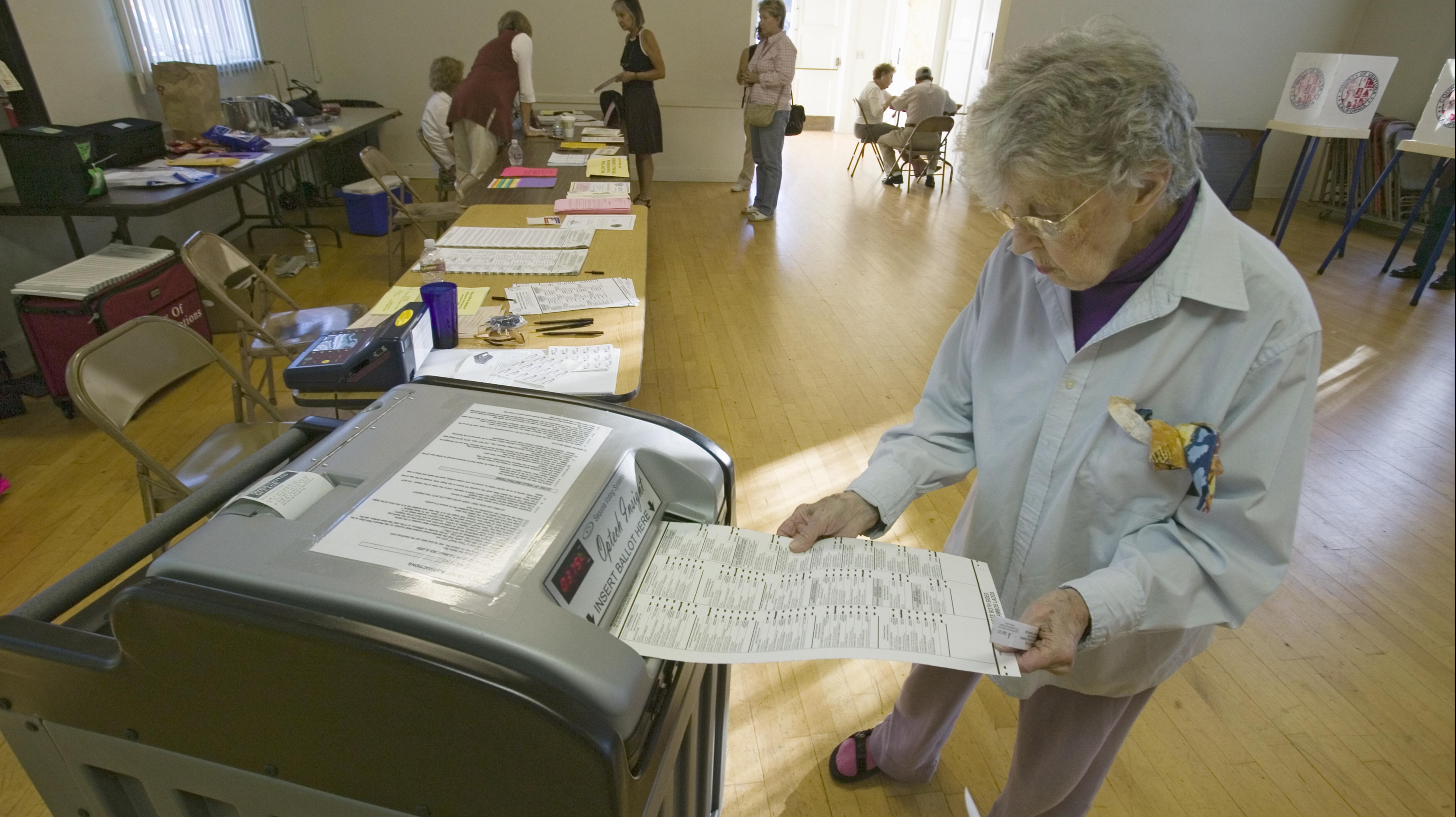
Ohio law explicitly permits observers to be present not only while polls are open but also 'during the counting of the ballots'. This includes the entire process, from the initial tally at polling locations to the official canvass of returns and any subsequent audits conducted by the board of elections. The state's legal framework is designed to provide a layer of public accountability, allowing designated individuals to witness the mechanics of the vote count firsthand. The system is not a free-for-all; it's a structured process governed by specific statutes and directives from the Ohio Secretary of State, ensuring that observation enhances transparency without causing disruption. These observers, sometimes called poll watchers, serve as the eyes
of the public and political stakeholders, verifying that procedures are followed correctly.
Who Qualifies to Be an Observer?
Not just anyone can walk into a counting center and declare themselves an observer. In Ohio, observers must be formally appointed. The law allows political parties with candidates on the ballot, as well as groups of five or more candidates, to appoint one qualified elector to serve as an observer at each precinct or at the central board of elections office. Committees representing a ballot issue can also appoint observers. To be eligible, an appointee must be a registered voter in Ohio. There are also clear disqualifications: candidates themselves cannot serve as observers (with a narrow exception for party committee members), nor can any uniformed law enforcement officer, firefighter, member of the military, or anyone carrying a firearm. This ensures that observers are civilians focused on observation, not intimidation.
The Appointment Process
Becoming an official observer involves a formal notification process. The political party or group of candidates must submit the names and addresses of their appointees to the county board of elections. This notification specifies where the individual will serve, whether at a specific precinct or at the board of elections headquarters where absentee and provisional ballots are processed and counted. Before they can begin their duties, each observer must take an oath administered by an election official, swearing to act faithfully and lawfully. This formal process distinguishes official, legally sanctioned observers from the general public and underscores the seriousness of their role in the electoral system.
What Observers Can (and Cannot) Do
The role of an observer is one of witnessing, not participating. They are permitted to watch all proceedings, from the opening of the polls to the final count, and may take notes. However, their actions are strictly limited to prevent interference or intimidation. Ohio law and official directives are clear that observers must not handle ballots or any other election materials. They are forbidden from speaking to voters, disrupting poll workers, or otherwise impeding the election process. If an observer sees something they believe is an issue, they are not to intervene directly but rather to report their observation to their appointing organization or, in certain circumstances, to the presiding election judge. Furthermore, while they can use phones, they cannot take photos or videos inside the polling place or use devices in any way that would compromise ballot secrecy or intimidate voters.
Why These Rules Matter for Democracy
The detailed rules governing election observers in Ohio strike a critical balance. On one hand, they empower political parties and candidates to have a presence during the count, fostering trust and transparency in the election's outcome. Knowing that the process is being watched by competing interests can increase public confidence that the results are accurate and legitimate. On the other hand, the strict limitations on observers' behavior are essential for maintaining order and protecting voters. The prohibitions against interference, campaigning, and intimidation ensure that the counting process remains efficient and that every citizen's right to a secret and unimpeded ballot is preserved. This regulated transparency is a cornerstone of a functioning democratic process, allowing for scrutiny without sacrificing security or order.